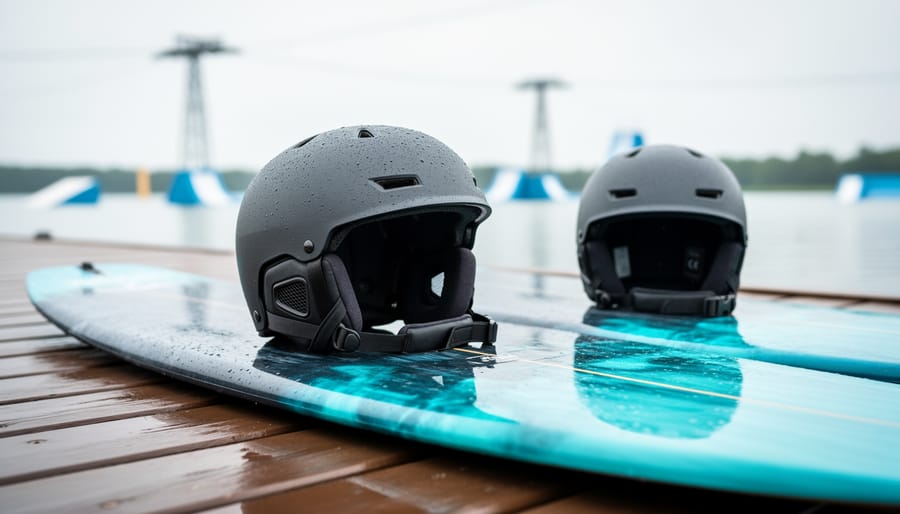
How to Choose a Wakeboarding Helmet: A Buying Guide for 2026
A wakeboarding helmet should meet CE EN 1385 certification, fit snugly without pressure points, and match your riding environment, with quality options starting around $80 in Canada for 2026. Whether you’re learning behind the boat at Canadian kayaking destinations that double as wake parks or progressing to cable park features, choosing the right helmet comes down to understanding the difference between soft EVA foam shells for flexibility and hard-shell designs for high-impact protection.
The shift toward helmet use in wakeboarding mirrors what happened in snowboarding two decades ago. What was once considered optional gear for beginners has become standard equipment as riders push bigger tricks and cable parks add more technical obstacles. If you’re hitting kickers, sliding rails, or learning inverts, a helmet isn’t about fear, it’s about extending your session when things don’t go as planned.
The challenge isn’t finding a helmet. Brands like Liquid Force, Follow, and Sandbox now offer dedicated wakeboard models at retailers like . The real decision lies in matching certification standards to your riding style, understanding when a $80 soft-shell helmet provides enough protection versus when you need a premium hard-shell design, and avoiding the common mistake of prioritizing style over proper fit. A helmet that shifts on impact or sits too high on your head offers little more than false confidence.
This guide breaks down the key factors that separate effective protection from wasted money, compares helmet types for boat versus cable park riding, and highlights the purchasing mistakes that leave riders either over-protected for mellow sessions or under-protected when it matters most.
Why Helmet Wakeboarding Matters: Safety First on the Water
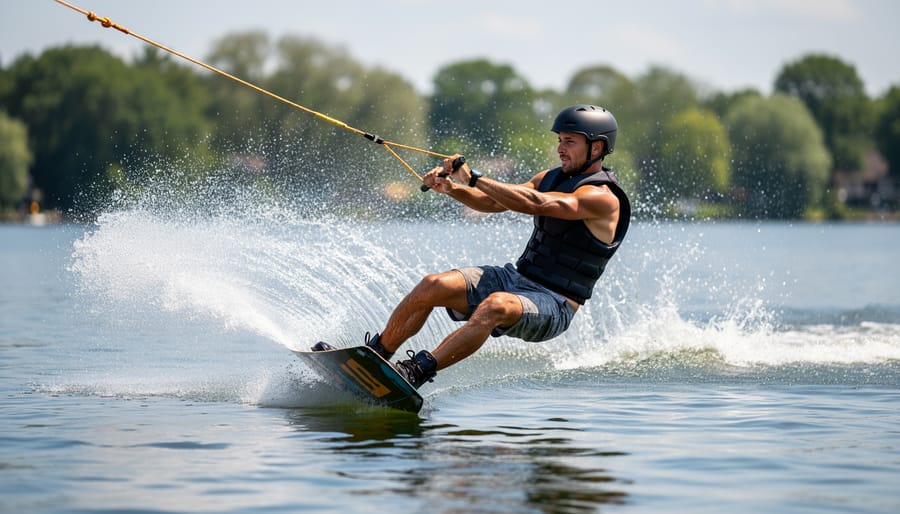
Wakeboarding used to be the one water sport where helmets were rare, but that’s changing fast. Riders are waking up to the reality that head injuries don’t discriminate by activity, and the forces involved in wakeboarding crashes rival those in water sports safety incidents on whitewater rivers. When you’re carving at speed behind a boat or launching off cable park features, a fall can send you into the water at angles and velocities that make head protection essential, not optional.
The impacts wakeboarding riders face are diverse and unpredictable. Behind the boat, a botched landing can whip your head back or send you tumbling into the wake. At cable parks, the hazards multiply: metal obstacles, wooden kickers, and the cable itself all pose collision risks. Then there’s the wakeboard itself, which can swing around during a fall and strike you before you even hit the water. These scenarios create genuine concussion risk, and Helmets during water sports falls have been shown to absorb impact energy that would otherwise reach the skull.
The broader water sports community has long embraced helmets for kayaking, rafting, and kiteboarding, and wakeboarding is finally catching up. Manufacturers now offer CE EN 1385-certified helmets designed specifically for water impacts, balancing protection with the drainage and comfort riders need for long sessions. As helmet wakeboarding gains momentum in 2026, it’s joining a culture that values progression without compromising safety, a mindset that resonates with anyone who’s navigated technical rapids or explored remote coastlines where preparation makes all the difference.
What to Look for in a Wakeboarding Helmet: Key Buying Factors
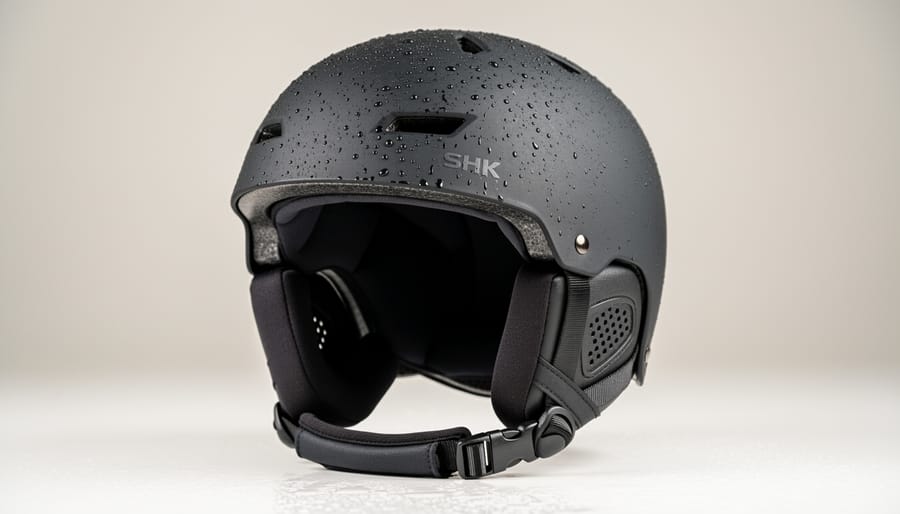
Understanding CE EN 1385 Certification
CE EN 1385 is the international benchmark for helmets used in white water and water sports, covering environments from Class I to Class IV rapids. Originally designed for canoeing and whitewater kayaking, this standard tests helmets for impact resistance, penetration protection, and retention system strength, exactly the qualities you need when you’re learning to wakeboard or pushing your limits at a cable park. Falls onto water at speed, strikes from the board, and cable obstacles all create impact scenarios similar to what whitewater paddlers face, which is why wakeboarding has adopted this certification.
When you’re shopping for a helmet, look for “CE EN 1385” or “CE Approved EN 1385” printed on the label or listed in the product specifications. The Liquid Force Hero Wakeboard Helmet ($84.99) carries CE certification, as does the Follow Pro Wakeboard Helmet Charcoal 2026 ($79.99). Many helmets from Follow, Liquid Force, and Sandbox available at Canadian retailers like meet this standard, though you’ll want to verify on each specific model since not all water helmets are tested to EN 1385.
If the certification isn’t clearly marked on the helmet itself, check the manufacturer’s website or ask the retailer directly before you buy. A helmet without CE EN 1385 certification might look the part but hasn’t been independently tested for the impacts you’ll encounter on the water.
Soft-Shell vs. Hard-Shell Construction
Wakeboarding helmets fall into two main construction camps: soft-shell EVA foam and hard-shell ABS plastic. Each design serves distinct riding environments and impact scenarios.
Soft EVA helmets dominate recreational wakeboarding for good reason. The foam flexes on impact, distributing force across a wider area rather than concentrating it at a single point. You’ll find these helmets lighter and more comfortable for hour-long sessions behind the boat, with better drainage since water flows through the foam cells. Models like the Liquid Force Hero ($84.99) and Follow Pro ($79.99) use soft EVA construction while maintaining CE EN 1385 certification. The trade-off? They offer less protection against sharp, localized impacts, think metal cable park features or dock edges.
Hard-shell helmets bring reinforced outer casings, typically ABS plastic over foam padding. Cable park riders favor this construction when hitting rails, kickers, and overhead obstacles where point impacts are common. The rigid shell prevents penetration and spreads force before it reaches the foam liner. You’ll pay for that durability with added weight and reduced ventilation compared to soft designs.
Choose soft-shell for boat wakeboarding, recreational cable sessions, and any scenario prioritizing comfort during repetitive falls into open water. Opt for hard-shell when your riding involves frequent contact with fixed obstacles, cable park features, bridge pilings, or aggressive freestyle progression where impact angles vary widely. Some riders keep both types and swap based on the day’s plan.
Types of Wakeboarding Helmets Compared
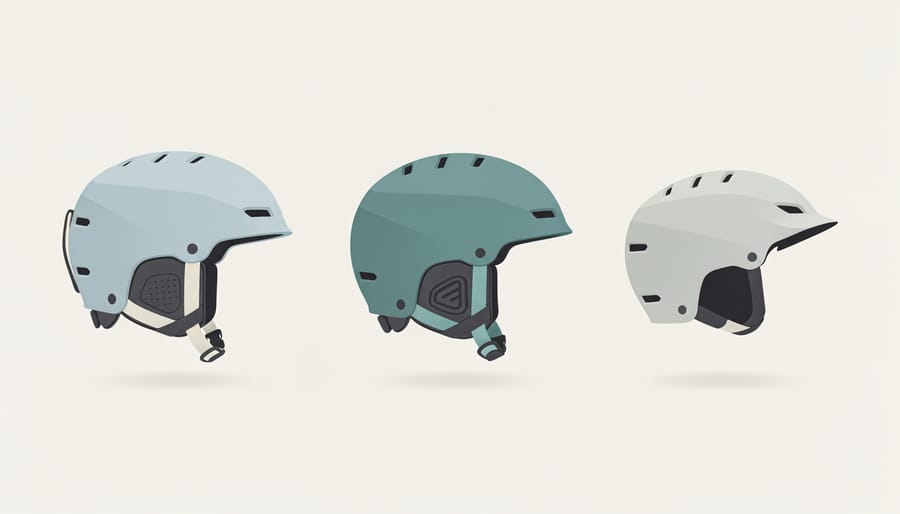
Choosing between helmet categories can feel overwhelming, but each type is purpose-built for specific riding conditions. A boat wakeboarding helmet prioritizes minimal weight and maximum drainage because riders spend most of their time cutting through clean water with controlled falls. These helmets typically feature extensive ventilation ports and quick-dry foam that won’t trap water against your skull during surface recoveries. The lightweight construction means you’ll barely notice it after the first few minutes on the water, which matters during long sessions behind the boat.
Cable park helmets take a different approach entirely. If you’re hitting rails, kickers, and obstacles at the local park, you need reinforced protection where it counts. These designs usually incorporate harder shell panels over high-impact zones, crown, temples, sides, while maintaining flexibility elsewhere. The trade-off is slightly more weight and reduced ventilation compared to boat-specific models, but that extra armor becomes essential when you clip an overhead slider or take an awkward hit from a feature. Cable riders regularly face impacts that boat wakeboarders rarely encounter, so the construction reflects those realities.
Multi-sport water helmets split the difference, offering versatility for riders who cross over between wakeboarding, kayaking, SUP, and other paddle sports. You’ll find these helmets carry CE EN 1385 certification, the water sports standard covering Class I to Class IV rapids, which makes them equally valid whether you’re carving wakes or running whitewater. The compromise? They often weigh a bit more than dedicated wakeboarding helmets and may lack sport-specific refinements like optimized ear coverage or wake-oriented drainage patterns.
| Helmet Type | Best Use Case | Key Features | Typical Price Range 2026 |
|---|---|---|---|
| Boat Wakeboarding | Riding behind boats, clean water falls | Lightweight, maximum drainage, extensive vents | $75, $110 |
| Cable Park | Obstacles, rails, kickers, park features | Reinforced shell panels, higher impact protection | $85, $130 |
| Multi-Sport Water | Wakeboarding, kayaking, SUP, whitewater | CE EN 1385 certified, versatile, all-around protection | $80, $120 |
The right category depends on where you ride most often. If you’re exclusively behind the boat on weekends, a dedicated wakeboarding helmet makes sense. Cable park regulars should invest in the reinforced protection. Paddlers who wakeboard occasionally benefit from multi-sport designs that pull double duty without compromising safety standards. Brands like Liquid Force and Follow offer models across these categories, with options like the Liquid Force Hero at $84.99 and the Follow Pro at $79.99 serving boat riders well, while Sandbox helmets available through Canadian retailers cover the cable park and crossover segments.
Top Wakeboarding Helmet Recommendations for 2026
When shopping for a wakeboarding helmet in Canada, your best bets center around proven models that balance certification, comfort, and value. The Liquid Force Hero Wakeboard Helmet stands out at $84.99 with CE certification to EN 1385 standards, making it a reliable choice for riders who want verified impact protection without breaking the bank. Its soft EVA construction absorbs shock effectively while maintaining the lightweight feel boat wakeboarders prefer during long sessions.
For riders seeking a dedicated 2026 model, the Follow Pro Wakeboard Helmet in Charcoal comes in at $79.99 and delivers CE-certified protection to EN ISO standards. This price point makes it an accessible entry for beginners or intermediate riders building out their safety kit, though the specific fit system and drainage features vary by design. Follow’s reputation in wakeboarding gear adds credibility, and the charcoal colorway fits riders who prefer understated aesthetics over flashy graphics.
Beyond these specific models, carries helmets from Sandbox, a brand known for hard-shell construction that appeals to cable park riders facing rails, kickers, and obstacle impacts. While exact Sandbox pricing wasn’t verified for this guide, their availability through Canadian retailers means you can compare multiple brands side-by-side rather than settling for a single option shipped from the U.S.
The sweet spot for a quality wakeboarding helmet sits around $75 to $85 in Canada, where you’ll find CE EN 1385 certification, proper drainage, and construction materials suited to water impacts. Avoid chasing the absolute cheapest option if it lacks clear certification markings; the difference between a $50 uncertified helmet and an $80 verified model could matter when your head meets the water at speed.
Common Mistakes to Avoid When Buying a Wakeboarding Helmet
Buying your first wakeboarding helmet can feel straightforward, but several common traps lead to regret or compromised safety. Understanding where beginners go wrong helps you make a smarter choice from the start.
The biggest mistake is prioritizing style over substance. A sleek design means nothing if the helmet lacks CE EN 1385 certification, the international benchmark for water sports headgear used in rapids from Class I to Class IV. Fashion-forward helmets without proper certification won’t protect you during hard impacts. Always verify the CE mark before you buy, brands like Follow and Liquid Force clearly label their certified models, such as the Liquid Force Hero Wakeboard Helmet at $84.99, which carries CE certification.
Here are the pitfalls that compromise safety and value:
- Skipping certification checks and assuming all water helmets meet safety standards
- Buying based on looks alone without verifying CE EN 1385 compliance
- Ignoring size charts and guessing at fit instead of measuring head circumference
- Reusing damaged helmets after significant impacts, cracks, or visible foam degradation
Another critical error is choosing helmets designed for other sports. Bike and skate helmets aren’t built for water, they lack drainage holes and absorb water, becoming heavy and uncomfortable during prolonged sessions. Water-specific helmets feature integrated drainage systems that shed water instantly, keeping you light and agile.
Don’t overlook proper fit and adjustment. A helmet that shifts during movement won’t protect you when it matters. Test stability before purchasing, and take time to adjust retention systems correctly. Comfort matters for long sessions, but security is non-negotiable.
Finally, many riders ignore replacement timelines. Even without visible damage, helmets degrade over time from UV exposure, saltwater, and repeated stress. Retiring a helmet after any substantial impact protects you from hidden structural weaknesses that compromise safety.
How to Ensure a Proper Fit and Comfort
A helmet that doesn’t fit properly won’t protect you, no matter how impressive the certification. Start by measuring your head circumference at its widest point, typically just above your eyebrows and ears, using a flexible tape measure. Most manufacturers provide size charts (small, medium, large, or specific centimetre ranges), but these vary by brand, so always consult the chart for the specific model you’re considering rather than assuming your usual hat size will translate.
Once you have a helmet on, test its stability before you hit the water. Shake your head side to side and nod up and down; the helmet should move with your head as a single unit, not shift independently or slide around. If it rocks forward to cover your eyes or slips backward, try a smaller size or adjust the retention system. Most wakeboarding helmets use adjustable dial systems or strap configurations at the back, allowing you to fine-tune the fit even within a size category.
Pay attention to pressure points during this testing phase, because gear comfort matters for long sessions on the water. The helmet should feel snug but not painfully tight, with even pressure distribution around your entire head. Check that ear coverage (if present) doesn’t press uncomfortably or restrict hearing too much, and ensure chin straps sit flat without pinching. Remember that foam liners may compress slightly with use, so a helmet that feels almost too snug when new will likely settle into a perfect fit after a few sessions.
Caring for Your Wakeboarding Helmet: Maintenance and Lifespan
Your wakeboarding helmet takes a beating on the water, so proper care extends its protective lifespan and keeps you safe. After every session, rinse your helmet thoroughly with fresh water to remove salt, sand, and lake debris that can degrade foam and straps. Saltwater is especially corrosive, so never skip this step after ocean wakeboarding. Air-dry your helmet completely in a shaded, well-ventilated spot, avoiding direct sunlight or heat sources that can warp materials and encourage mold growth inside the padding.
Inspect your helmet regularly for cracks in the shell, compressed or crumbling foam, and frayed retention straps. Any visible damage means it is time to retire the helmet, even if it looks minor. After any significant impact, a hard fall, or a direct blow from your board or a cable park obstacle, replace your helmet immediately. The foam inside compresses on impact and loses its ability to protect you in a second hit, even if the exterior looks fine.
Treat helmet maintenance like the camping gear checklists you follow for kayaking trips: routine care prevents failure when you need it most. A well-maintained CE EN 1385 helmet lasts three to five years under normal use, but always prioritize safety over squeezing extra seasons from aging gear.
Frequently Asked Questions About Wakeboarding Helmets
Do I really need a helmet for wakeboarding?
While not legally required in most locations, a helmet significantly reduces concussion risk from falls, cable park obstacles, and board strikes. The same trail safety habits that protect you on outdoor adventures apply to wakeboarding, prevention is always smarter than recovery.
Can I use a kayaking helmet for wakeboarding?
Yes, if it’s CE EN 1385 certified. This standard covers both whitewater kayaking and wakeboarding because both sports involve similar impact risks from water, obstacles, and equipment. A kayaking helmet with proper drainage works well for wakeboarding, though wakeboarding-specific models often have sleeker profiles optimized for the sport.
What’s the difference between CE EN 1385 and other certifications?
CE EN 1385 is specifically designed for water sports helmets in Class I to Class IV rapids conditions, accounting for drainage, buoyancy, and water-specific impacts. Bike and skate helmets use different standards that don’t address water drainage or the unique forces from water landings, making them unsuitable for wakeboarding despite offering general head protection.
How long does a wakeboarding helmet last?
Most manufacturers recommend replacing helmets every three to five years, or immediately after any significant impact. UV exposure, saltwater, and repeated stress degrade foam over time, reducing protective capability even when visible damage isn’t apparent.
Are more expensive helmets safer?
Not necessarily. Safety comes down to CE EN 1385 certification and proper fit, which you’ll find on helmets ranging from $79.99 to over $150. Higher prices typically reflect premium materials, advanced ventilation systems, or brand positioning rather than measurably better protection, so focus on certification and fit over price alone.
The answers above clear up the most common confusion points when shopping for a wakeboarding helmet. Remember that certification matters more than brand recognition, and a $80 helmet that fits perfectly offers better protection than a $200 model that shifts during impacts. Cross-sport compatibility with kayaking helmets gives you flexibility if you already own water sports gear, though wakeboarding-specific designs offer streamlined profiles that reduce drag. Replace your helmet after crashes or when the foam shows compression marks, regardless of age, because compromised structure won’t protect you when it counts.
Helmet wakeboarding represents more than just a passing trend. It’s a shift toward making this exhilarating sport safer for riders at every level. By choosing a CE-certified helmet that fits securely and suits your riding environment, whether you’re carving behind the boat or hitting features at the cable park, you’re protecting yourself without sacrificing performance or fun.
At Stanley Kayaking, we champion adventures that balance excitement with smart preparation. The same principles that guide you when selecting the right kayak or canoe safety equipment apply here: quality gear matters, proper fit is non-negotiable, and investing in protection lets you push your limits with confidence. Wakeboarding joins the family of water sports where helmets have become standard, and the $80 to $85 models available in Canada today prove that serious protection doesn’t require a massive budget.
Ready to explore more ways to stay safe on the water? Check out our guides on kayak safety equipment and choosing the right PFD for kayaking to round out your adventure toolkit. Get out there, ride hard, and wear your helmet.