Where to Buy Hiking First Aid Kits in Canada: A Complete Guide for Multi-Day Adventurers
Shopping for a hiking first aid kit in Canada for multi-day kayaking trips requires balancing comprehensive medical supplies with waterproof protection and weight constraints. The best approach for 2026 is to purchase a quality base kit from retailers like MEC, Atmosphere, or Amazon Canada, then customize it with wilderness-specific additions like blister treatment, water purification tablets, and emergency shelter materials tailored to Canadian backcountry conditions.
Remote paddling routes through areas like Newfoundland’s coastal trails or British Columbia’s fjords present unique medical challenges. You’re hours or even days from professional care, traveling in wet conditions that compromise standard bandages, and facing wildlife encounters that demand specialized wound care. A drugstore kit won’t cut it.
The transactional reality is straightforward: Canadian outdoor retailers stock dedicated wilderness first aid kits from proven brands like Adventure Medical Kits and Lifesystems, typically ranging from 95 to 250 dollars depending on group size and trip duration. But availability varies significantly by region and season, with coastal outfitters often carrying superior marine-grade options compared to prairie sporting goods chains.
What separates adequate preparation from dangerous under-preparation isn’t just having gauze and tape. Multi-day kayakers need waterproof packaging that survives capsizes, medical supplies that address both paddle injuries and hiking trauma when you portage between put-ins, and enough redundancy to handle multiple incidents when extraction takes days, not hours. This guide examines what works, what Canadian paddlers can actually buy right now, and how to avoid the common mistakes that leave adventure enthusiasts stranded with useless supplies when emergencies strike far from civilization.
What Makes a Great Hiking First Aid Kit for Canadian Multi-Day Trips
Canadian wilderness demands more from your first aid kit than a typical backyard camping trip ever will. When you’re navigating iceberg trails or paddling remote waterways far from help, your kit becomes a critical lifeline, not just a precaution.
Standard home first aid kits fail in backcountry scenarios because they’re designed for convenient access to medical care. Drop one in a kayak hatch or expose it to a sudden rainstorm, and you’ll quickly discover why waterproof construction isn’t optional, it’s fundamental. The difference between water-resistant and truly waterproof can mean the gap between sterile supplies and soggy, contaminated bandages when you actually need them.
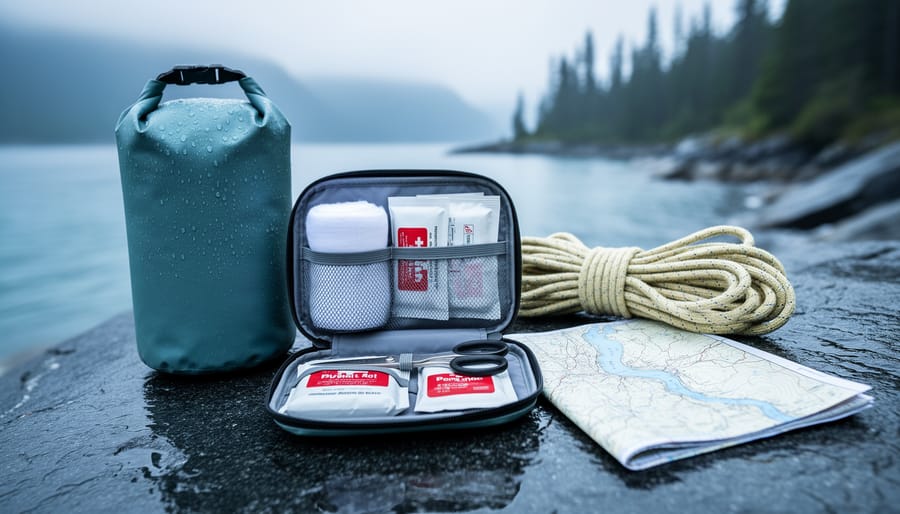
A great hiking first aid kit for multi-day Canadian adventures balances several competing demands. It must be comprehensive enough to handle genuine emergencies miles from civilization, yet compact and light enough that you’ll actually carry it on grueling portages or tight kayak storage. The Adventure Medical Kits Ultralight Watertight .7, which remains a top pick among experts, demonstrates this balance perfectly with its practical, waterproof design that doesn’t sacrifice essential contents.
- Waterproof or water-resistant construction that protects contents from immersion and moisture
- Weight and size appropriate for multi-sport trips where every ounce counts
- Comprehensive supplies suitable for treating injuries far from medical facilities
- Intuitive organization system for quick access during emergencies
- Durable materials that withstand rough handling on rugged terrain and rocky shores
The contents matter as much as the container. Look for kits stocked with supplies that address wilderness-specific scenarios: blister treatment for long hikes, wound care beyond basic bandages, supplies for managing sprains or fractures until evacuation, and medications with appropriate shelf life for Canadian temperature extremes. The Adventure Medical Kits Mountain Series Backpacker Kit earns praise specifically for its thoughtful layout and high-quality supplies, features that prove invaluable when you’re dealing with an injury while fighting fatigue or harsh weather.
Wildlife encounters and environmental challenges unique to Canadian landscapes, from insect swarms to cold-water exposure, require preparation beyond what suburban kits offer. Your first aid kit should reflect the reality that help might be a day or more away, not a quick ambulance ride.
Key Buying Factors: Choosing the Right Kit for Your Adventure
Trip Duration and Group Size
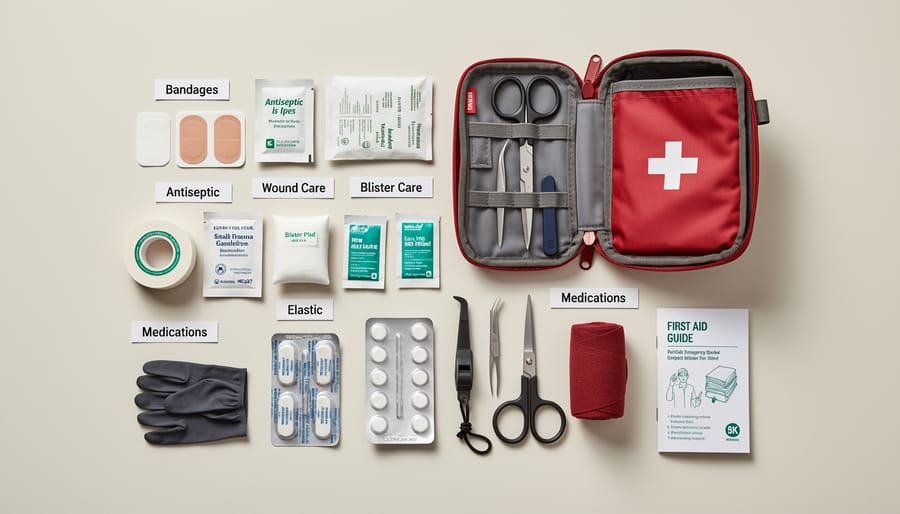
Trip duration is your first sizing consideration. A weekend outing for two people requires far less than a week-long expedition with a group of six. For solo kayaking and hiking trips lasting two to three days, a compact kit with 40-60 pieces covers essential wound care, blister treatment, and basic medications. These ultralight options, typically weighing under half a pound, won’t burden you when portaging between lakes or scrambling along iceberg trails.
Multi-day trips extending beyond four days need more comprehensive supplies. Plan for at least 100-150 pieces if you’re heading into remote Canadian wilderness where resupply isn’t an option. Factor in group size by adding extra bandages, pain relievers, and blister treatments for each additional person beyond yourself. A party of four on a five-day trip should carry significantly more gauze, tape, and antiseptic than a solo adventurer covering the same timeframe.
Group expeditions introduce another variable: skill level. If you’re leading less experienced paddlers or hikers, expand your kit to account for the higher likelihood of minor injuries. Include extra moleskin, elastic bandages for sprains, and additional supplies for treating blisters, since beginners often push through discomfort longer than they should.
Waterproof vs. Water-Resistant: Why It Matters for Kayakers
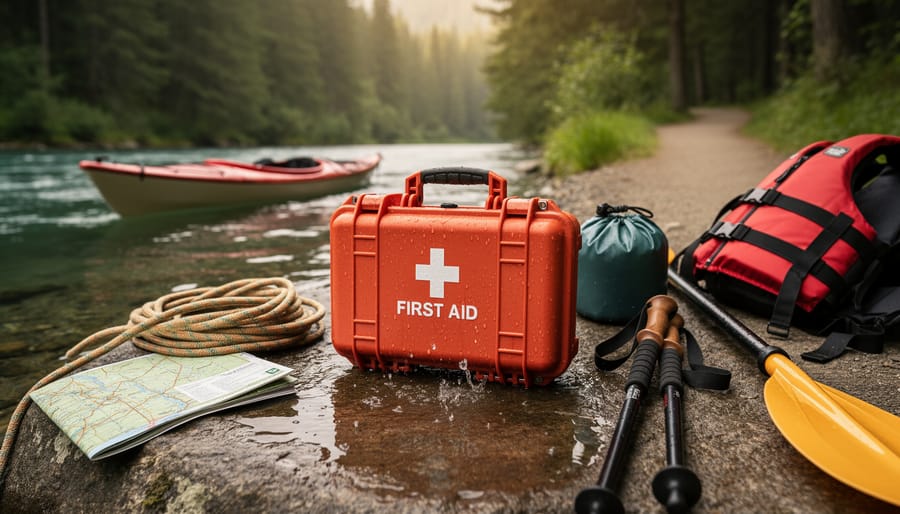
When you’re paddling across remote Canadian lakes with your gear, understanding the difference between waterproof and water-resistant could mean the difference between usable medical supplies and soggy gauze when you need them most. Water-resistant kits can handle splashes and light rain, repelling moisture to some degree, but they’re not designed for immersion. If your kayak tips or a wave crashes over your pack, water will eventually seep through zippers and seams.
Waterproof construction means the kit is sealed against full submersion. Quality watertight first-aid kits use welded seams, gasket-sealed closures, or drybag-style roll-tops that create a genuine barrier against water penetration. For kayakers tackling multi-day trips where you’re constantly loading and unloading gear near water, this protection isn’t optional. A truly waterproof kit floats if it goes overboard and keeps contents dry even after prolonged exposure.
The trade-off is usually weight and accessibility. Waterproof cases tend to be slightly heavier and may require more effort to open quickly. For combined kayaking-hiking adventures in Canadian wilderness, prioritize waterproof over water-resistant. Your emergency supplies are too critical to compromise when conditions turn rough on the water.
Weight and Portability Considerations
When you’re paddling across a pristine Canadian lake with your hiking boots strapped to your kayak deck, every ounce matters. Multi-sport adventures demand ruthless prioritization, and your first aid kit shouldn’t weigh you down or consume precious waterproof bag space.
Ultralight kits typically weigh between 4 to 8 ounces and pack down to the size of a smartphone. The Adventure Medical Kits Ultralight Watertight .7, for instance, delivers essential coverage without the bulk that drags on longer portages. For kayakers, this compact design means you can secure the kit in an easily accessible dry bag compartment rather than burying it deep in your gear.
However, don’t sacrifice critical supplies for minimal weight savings. A kit that’s too sparse leaves gaps in your preparedness. Look for designs that use space efficiently, flat packaging, modular organization, and dual-purpose items help maximize contents without expanding volume.
Consider your carry method too. Kayakers benefit from flat, rectangular kits that nestle into hull spaces, while hikers might prefer a slightly bulkier kit that attaches externally to a pack. Test how the kit fits your specific gear setup before committing to a multi-day wilderness trip.
Contents Quality and Shelf Life
Quality matters more in remote Canadian wilderness than anywhere else. When you’re days from help on an iceberg trail or deep in backcountry, expired bandages or deteriorated medications can turn a manageable incident into a serious problem.
Start by checking expiration dates before you buy. Medications lose potency over time, and adhesives fail in extreme conditions. Most quality kits display clear expiration dates on individual items, not just the package. Avoid kits where supplies are jumbled loose, you need to see what you’re getting. The best kits, like those from Adventure Medical Kits, organize supplies in labeled sections so you can quickly verify contents and dates at a glance.
Canadian climate presents unique challenges. Temperature swings between seasons affect adhesive strength and medication stability. Store your kit in a climate-controlled space between trips, not a garage or vehicle trunk. Cold doesn’t just affect performance, repeated freeze-thaw cycles break down elastic bandages and compromise waterproof packaging.
Plan to inspect and restock twice yearly, ideally before spring and fall adventure seasons. Replace any items within six months of expiration, and swap out supplies that show moisture damage or compromised packaging. Budget-friendly options may require more frequent attention than premium kits with individually sealed components, but both need regular maintenance to keep you safe when wildlife encounters or trail accidents occur.
Types of Hiking First Aid Kits Compared
Understanding your options helps you make a smart investment in wilderness safety. Canadian adventurers shopping for hiking first aid kits face three main categories, each designed for different trip profiles and priorities.
Ultralight Kits
These minimalist options prioritize weight savings for fast-and-light adventures. Ultralight kits typically weigh under 200 grams and include only essentials: bandages, blister treatment, pain relievers, and basic wound care. They work best for experienced hikers on well-traveled routes who can reach help quickly if needed. The Adventure Medical Kits Ultralight Watertight .7 exemplifies this category with its compact, waterproof design that doesn’t add bulk to your kayak’s dry bag.
For solo kayakers tackling challenging routes like the Long Range Traverse ultralight kits offer peace of mind without compromising paddling efficiency. The trade-off? Limited supplies for extended emergencies or multiple injuries.
Comprehensive Multi-Day Kits
Built for serious backcountry expeditions, these kits contain extensive supplies for treating a wider range of injuries and illnesses over several days. They typically weigh 300-600 grams and include medications for allergic reactions, gastrointestinal issues, and wound irrigation systems. The Adventure Medical Kits Mountain Series Backpacker Kit has the best layout and contains high-quality supplies, making it ideal for groups exploring remote wilderness where evacuation takes time.
These kits suit multi-day kayaking and hiking combinations in areas with limited rescue access. You’ll carry more weight, but gain the capability to manage serious situations until help arrives.
Budget-Friendly Options
Value-oriented kits deliver essential coverage without premium pricing. The HART Outdoor Weekend First-Aid Kit and First Aid Only 298 Piece All-Purpose First Aid Kit (FAO-442) both earned recognition for balancing cost and functionality. These kits contain adequate supplies for weekend adventures and straightforward injuries.
Budget options work well for beginners building their first wilderness safety system or groups needing multiple kits across several kayaks.
| Kit Type | Best For | Typical Weight | Key Features |
|---|---|---|---|
| Ultralight | Solo hikers, short trips, experienced adventurers | Under 200g | Waterproof, compact, essential supplies only |
| Comprehensive Multi-Day | Groups, remote locations, extended expeditions | 300-600g | Extensive medications, organized layout, handles multiple scenarios |
| Budget-Friendly | Beginners, weekend trips, multiple kit needs | 200-400g | Cost-effective, adequate coverage, basic organization |
Your choice depends on trip length, group size, remoteness, and your medical training. A solo kayaker paddling established routes needs different coverage than a group tackling week-long backcountry expeditions through iceberg trails.
Top Hiking First Aid Kit Recommendations for 2026
Best Overall: Adventure Medical Kits Ultralight Watertight .7
The Adventure Medical Kits Ultralight Watertight .7 earns its reputation as GearJunkie’s best overall pick for solid reasons that matter to Canadian kayakers and hikers. This kit weighs just 5.6 ounces and packs down to roughly the size of a smartphone, making it nearly unnoticeable in your kayak or pack. The waterproof construction uses a DryFlex bag with watertight zipper, crucial when you’re paddling iceberg trails or crossing streams on multi-day routes where immersion isn’t a question of if, but when.
Inside, you’ll find 30 carefully selected items covering the most common wilderness injuries: adhesive strips in multiple sizes, butterfly closures, blister treatments, medications for pain and inflammation, and basic wound care supplies. The kit handles blisters from long portages, cuts from sharp rocks, and minor scrapes from brush contact. Its streamlined contents prioritize the injuries you’re actually likely to encounter rather than padding the piece count with items you’ll never use.
Best Layout and Quality: Adventure Medical Kits Mountain Series Backpacker Kit
The Adventure Medical Kits Mountain Series Backpacker Kit stands out for its exceptional organization system, which Wirecutter recognizes as the best layout among tested options. This compact yet well-stocked kit excels at multi-day trips where you need quick access to supplies without digging through a jumbled mess. The clear compartmentalization means you can locate what you need during an emergency, whether you’re treating a blister on an iceberg trail or addressing a cut after a wildlife encounter.
What sets this kit apart is the quality of its contents. Every item meets higher standards than typical budget kits, giving you confidence that bandages will actually stick in humid conditions and medications haven’t degraded. For kayakers planning extended Canadian wilderness trips, this reliability matters when you’re days away from help and can’t afford supply failures.
Best Budget Options
Budget-conscious adventurers don’t need to sacrifice safety for affordability. Two kits stand out as excellent value options for Canadian wilderness trips.
The HART Outdoor Weekend First-Aid Kit earned recognition from expert testing as a budget award winner, offering essential supplies in a compact package that won’t strain your wallet. It’s particularly suitable for weekend kayaking trips where you need basic coverage without extensive specialized gear.
For those wanting more comprehensive contents at an affordable price, the First Aid Only 298 Piece All-Purpose First Aid Kit (FAO-442) provides exceptional bang for your buck. While it includes 298 pieces, making it more extensive than ultralight options, the trade-off is slightly more bulk. This kit works well for car camping or base camp scenarios where weight matters less than having a broad range of supplies.
Both options provide reliable protection for multi-day adventures without the premium price tag of specialized wilderness kits. They’re smart choices for newer adventurers building their gear collection or experienced kayakers looking for a backup kit.
Runner-Up Worth Considering: Hart Outdoor Multiday First Aid Kit
The Hart Outdoor Multiday First Aid Kit stands out as Wirecutter’s runner-up choice for good reason. This kit bridges the gap between ultralight options and comprehensive expedition kits, making it particularly well-suited for Canadian kayakers planning three to five-day wilderness trips. It offers more supplies than the minimalist Ultralight Watertight .7 without the bulk of larger systems, striking a practical balance for extended adventures where space matters but comprehensive coverage is essential. The kit’s organization allows quick access during emergencies on remote iceberg trails or after wildlife encounters, and its durable construction holds up well to the demanding conditions of multi-sport trips combining paddling and hiking.
Where to Buy: Canadian Availability Guide for 2026
National Outdoor Retailers
Canada’s major outdoor retail chains remain reliable starting points for wilderness first aid kit shopping. MEC (Mountain Equipment Company) stores across the country typically maintain dedicated first aid sections with both pre-packaged kits and individual components for customization. Their staff often have wilderness experience and can offer guidance on selecting appropriate supplies for multi-day kayaking and hiking trips.
Canadian Tire locations stock first aid kits in their camping and outdoor departments, though selection varies considerably by store size. Larger urban locations tend to carry comprehensive hiking-specific options, while smaller branches may focus on basic emergency kits.
Atmosphere stores, found primarily in Western Canada, cater specifically to outdoor enthusiasts and usually maintain stronger first aid kit selections than general sporting goods retailers. Their inventory often includes waterproof options suited for kayaking adventures.
Bass Pro Shops and Cabela’s locations offer outdoor first aid supplies alongside their broader camping gear. These stores benefit from seasonal stock refreshes before peak hiking months, making spring the optimal time for in-store selection. Always call ahead to confirm specific kit availability before making the trip.
Online Options for Canadian Shoppers
Online shopping offers Canadian adventurers convenient access to a broad selection of hiking first aid kits without geographic limitations. Major platforms like Amazon.ca typically carry the recommended kits, including the Adventure Medical Kits Ultralight Watertight .7 and Mountain Series Backpacker Kit, alongside budget options like the First Aid Only 298 Piece All-Purpose First Aid Kit.
Cross-border shopping from U.S. retailers can expand your options, but factor in currency exchange, customs duties, and potentially longer shipping times, especially problematic when preparing for imminent multi-day kayaking trips. Some outdoor specialty sites ship internationally, though availability fluctuates.
Before purchasing online, compare prices across multiple platforms and read recent reviews to confirm product quality matches your expectations. Check return policies carefully, since first aid kits purchased sight-unseen may differ in size or contents from what you envisioned. For time-sensitive trip preparation, verify estimated delivery dates and consider paying for expedited shipping to avoid last-minute scrambles before heading to iceberg trails or remote wilderness destinations.
Regional Outdoor Specialty Shops
Beyond big-box chains and e-commerce giants, independent outdoor specialty shops across Canadian provinces offer distinct advantages for first aid kit purchases. These locally-owned retailers near adventure hubs, think Banff, Whistler, the Laurentians, or Newfoundland’s coastal regions, employ staff who actually use the gear they sell on local trails and waterways.
Walk into a shop near Gros Morne or Georgian Bay, and you’ll get personalized advice from someone who kayaks those exact waters and understands the specific challenges of multi-day trips in that region. They can recommend kit modifications for local conditions, suggest reliable restocking sources, and often carry region-appropriate supplies that national chains overlook.
These shops typically stock quality brands like Adventure Medical Kits and Hart Outdoor, sometimes with better selection depth than larger retailers. You’ll pay a bit more than online, but you’re supporting the local paddling and hiking community while getting hands-on access to kits before buying. For adventurers planning trips near established outdoor towns, stopping by a regional specialty shop before departure lets you verify waterproof seals, check expiration dates, and grab last-minute additions based on current trail conditions.
Common Mistakes to Avoid When Buying Your First Aid Kit
Buying your first wilderness first aid kit might seem straightforward, but several common missteps can compromise your safety on multi-day trips through Canadian backcountry. Understanding these pitfalls helps you invest wisely in a kit that genuinely protects you when you’re hours or days from emergency services.
The most critical mistake is purchasing a standard home or car first aid kit and assuming it’ll work for backcountry adventures. These kits lack the specialized supplies needed for wilderness scenarios, where you might need to stabilize an injury for extended periods before reaching help. Home kits typically include basic bandages and antiseptic wipes but omit items like splinting materials, blister treatment, or supplies for managing hypothermia on exposed iceberg trails.
Other frequent errors include:
- Ignoring waterproofing requirements when planning kayaking trips where your kit faces potential water immersion
- Selecting kit size based solely on the lowest price rather than matching contents to trip duration and group size
- Forgetting to customize for personal medical needs like prescription medications or specific allergies
- Neglecting to check expiration dates on included supplies before purchasing
- Overlooking long-term restocking requirements and replacement costs
Many adventurers also underestimate the importance of training. Buying an extensive kit means nothing if you don’t know how to use its contents during an actual emergency. Take a wilderness first aid course before heading into remote areas where wildlife encounters and rugged terrain create unique risks.
Another subtle mistake involves choosing kits with excessive bulk for your actual needs. If you’re a solo kayaker doing weekend trips, you don’t need a 200-piece family kit designed for basecamp use. Conversely, going ultralight for a week-long expedition with three people leaves your group dangerously under-supplied. Match your kit’s comprehensiveness to your specific adventure profile rather than assuming bigger always means better.
Customizing Your Kit for Canadian Wilderness Conditions
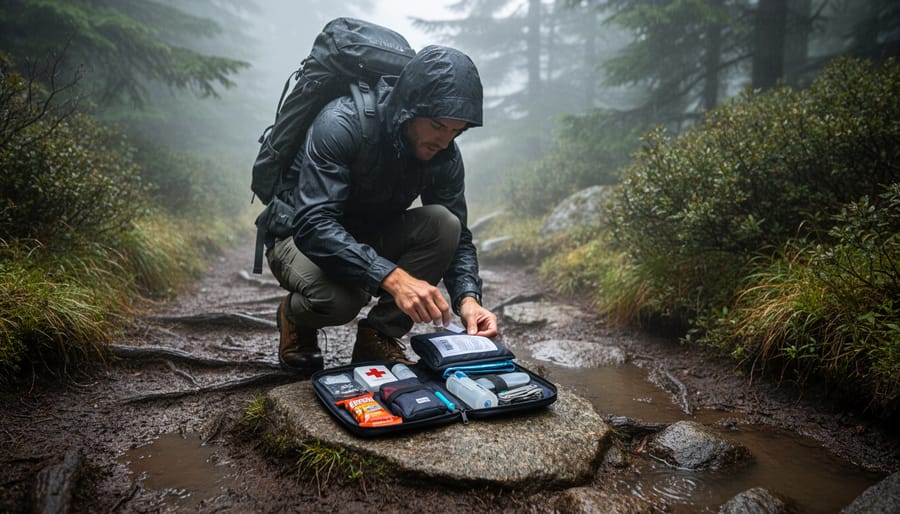
Store-bought hiking first aid kits provide a solid foundation, but Canadian wilderness demands specific additions that mass-market kits don’t typically include. The unique challenges of our environment, from black bear country to sub-zero temperatures on iceberg trails, require thoughtful customization.
Start by assessing the wildlife risks in your destination. Tick removal tools are non-negotiable for forested regions across Ontario, Quebec, and the Maritime provinces where Lyme disease cases have climbed. Add a fine-tipped tweezer or dedicated tick remover, plus antiseptic wipes specifically for tick bites. For mosquito and blackfly-heavy areas like the boreal forest, include extra antihistamine cream beyond what your kit provides.
Cold-weather expeditions need protection standard kits overlook. Pack chemical hand warmers, which can prevent frostbite during emergency situations when you’re stationary. An emergency thermal blanket designed for sub-zero temperatures (not just the ultra-thin foil type) can be lifesaving if you’re delayed overnight. Include petroleum jelly or specialized balm for windburn and chapped skin, conditions that worsen quickly in exposed alpine environments.
Your Canadian wilderness kit should also include:
- Tick removal tool with magnifying attachment for proper identification
- Moleskin or hydrocolloid blister patches (larger quantities than standard kits provide)
- Heavy-duty emergency blanket rated for Canadian winter temperatures
- Sterile saline for flushing wounds or eyes after bear spray exposure
- Instant cold packs for sprains in remote areas where ice isn’t available
Multi-day kayaking trips require waterproof packaging for additions. Separate supplemental items into dry bags organized by category, one for cold-weather supplies, another for camping essentials like blister treatment you’ll access frequently. Consider the weight of your trail food ideas when calculating space for kit supplements, balance comprehensiveness with portability for your specific adventure profile.
Frequently Asked Questions
How often should I replace supplies in my first aid kit?
Check expiration dates on medications and ointments every six months, and replace any items that have passed their shelf life. Adhesive bandages lose their stickiness after about three years, while gauze and tape can last longer if stored dry. After each multi-day trip, restock any used items immediately so you’re ready for your next adventure. If you’re planning remote expeditions like the North Coast Trail verify all supplies are fresh before departing.
What’s the difference between waterproof and water-resistant kits?
Waterproof kits can withstand full immersion in water, making them essential for kayaking trips where your kit might end up in the drink. Water-resistant kits handle light rain and splashes but won’t survive submersion. For combined kayaking-hiking adventures, especially in conditions where you might encounter icebergs on trail a truly waterproof option like the Adventure Medical Kits Ultralight Watertight .7 provides peace of mind.
How much should I spend on a quality hiking first aid kit?
Budget-friendly options like the First Aid Only 298 Piece All-Purpose First Aid Kit (FAO-442) provide solid coverage for shorter trips, while comprehensive kits for multi-day adventures typically cost more but include higher-quality supplies and better organization. Your investment should match your trip duration, group size, and how remote your destination is. For serious backcountry travel in Canadian wilderness, prioritize quality over saving a few dollars.
Do I need different supplies for solo versus group trips?
Solo travelers should carry comprehensive kits since you’re your own first responder, while group leaders need larger quantities of basic supplies like bandages and pain relievers. Multi-person kits like the Adventure Medical Kits Mountain Series Backpacker Kit include enough supplies for small groups on extended trips.
Investing in a quality hiking first aid kit isn’t optional for Canadian wilderness adventures, it’s essential preparation that could save your trip or even your life. Whether you’re paddling alongside icebergs or navigating remote backcountry trails where wildlife encounters are part of the experience, having the right medical supplies within reach brings peace of mind and practical protection. Consider your complete recovery strategy too, including options like CBD for post-hiking recovery to support your body after demanding multi-day expeditions. Before you head out on your next adventure, verify current availability at your preferred retailers. The Canadian wilderness rewards those who prepare thoroughly, and your first aid kit is the safety foundation that lets you explore with confidence.