How to Plan Inn to Inn Hiking in Scotland: Routes, Booking, and Logistics
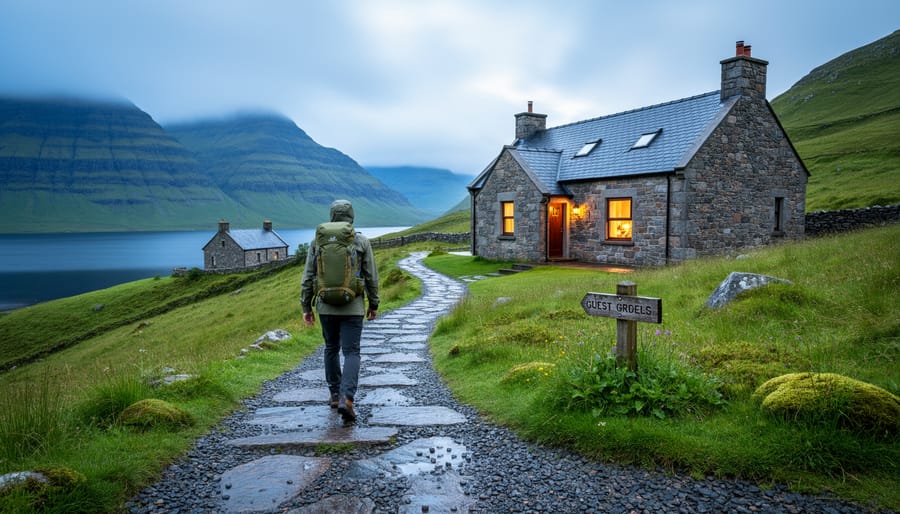
Inn to inn hiking in Scotland lets you trek the country’s legendary trails over multiple days while sleeping in real beds and enjoying hot meals each evening, with your luggage transported ahead. This self-guided approach combines the freedom of wilderness walking with the comfort of warm hospitality, making multi-day adventures accessible even if you’re not ready to carry camping gear through the Highlands.
The concept is straightforward: book a series of accommodations along your chosen route, arrange for a luggage transfer service to move your main bag between stops, and walk with just a daypack. You cover 10 to 15 miles per day depending on terrain and fitness, arriving at your inn or guesthouse by late afternoon. Scotland’s established walking routes like the West Highland Way make this particularly easy to plan, with villages spaced at walkable intervals and transfer companies operating year-round.
Planning an inn to inn trek differs from both day hikes and backpacking expeditions. You need to coordinate bookings months ahead during peak season (May through September 2026), confirm luggage transfer schedules, and pack strategically since you won’t have everything with you during the day. Weather in the Scottish Highlands shifts rapidly, so your daypack must carry layers, navigation tools, and emergency supplies even though you’re sleeping indoors.
This guide walks through selecting your route based on experience level, booking accommodations and transfers efficiently, packing the right gear for both trail and inn, staying safe in changeable mountain conditions, and knowing what each day actually feels like on the ground.
What Inn to Inn Hiking in Scotland Offers
Inn to inn hiking in Scotland removes the logistical burden from multi-day trekking while keeping you immersed in the landscape. Instead of hauling everything on your back or pitching a tent each night, you stay in hand-picked B&Bs, guesthouses, and small hotels chosen for their comfort, character, and proximity to the trail. Your main luggage moves door to door for you, so you carry only a light daypack with water, snacks, and layers.
The self-guided format gives you control over timing and tempo. You pick your dates, decide how many kilometers feel right for each day, and customize your itinerary around what matters most, whether that’s wildlife photography stops, lingering over lunch in Highland villages, or pushing harder to cover more ground. There’s no group to keep up with and no fixed departure schedule beyond your own.
The Scottish Highlands stand out as a premier destination for this style of hiking. Trails like the West Highland Way are very well-marked, reducing navigation stress while still offering the satisfaction of finding your own way. You walk through dramatic landscapes, past Loch Lomond’s wooded shores, across the open expanse of Rannoch Moor, into the mountains rising toward Fort William, without needing a support vehicle or constant coordination.
This model suits first-timers testing their stamina on a multi-day route and experienced walkers who prefer solitude over group dynamics. You get the structure of confirmed accommodations and transferred luggage without sacrificing the autonomy that makes self-guided hiking appealing. Each evening, you arrive at a real bed, a hot meal, and the chance to recover properly before the next day’s walk.
Choosing Your Route and Dates
The West Highland Way: Scotland’s Premier Inn to Inn Route
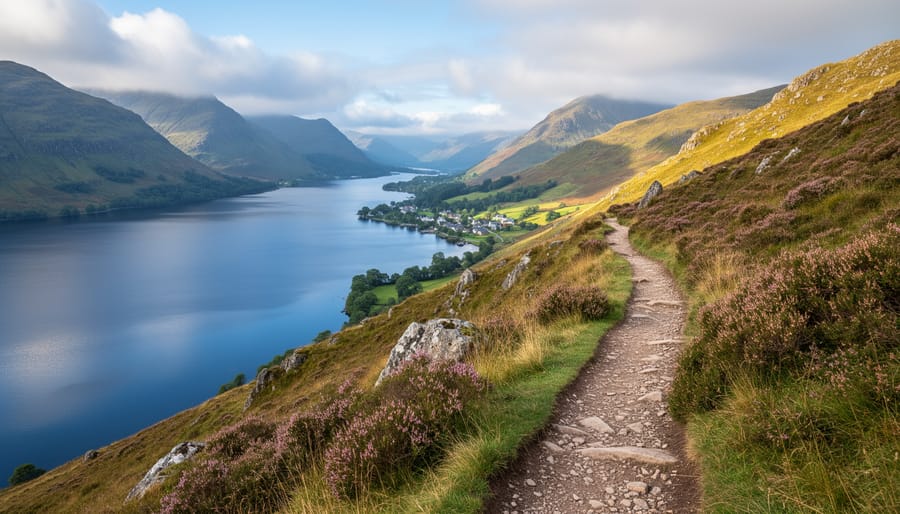
The West Highland Way runs 152 kilometers from Milngavie on Glasgow’s outskirts to Fort William in the Highlands, making it Scotland’s most popular route for self-guided inn to inn hiking. The trail is exceptionally well-marked with thistle waymarkers and clear signage at junctions, which means you can walk it confidently without advanced navigation skills. You’ll pass iconic Scottish landscapes, the eastern shore of Loch Lomond, the wild expanse of Rannoch Moor, and dramatic Highland glens, while sleeping each night in comfortable B&Bs or guesthouses with your luggage waiting for you.
Most walkers complete the West Highland Way length and route in six to eight days, covering between 15 and 25 kilometers per stage depending on where you book accommodations. The trail surface varies from forest paths and lakeside tracks to rocky moorland sections, but it’s all well-maintained and doesn’t require technical scrambling. Because the route is so established, you’ll find plenty of accommodation options along the way, easy luggage transfer logistics, and reliable facilities in the villages you pass through.
This combination of stunning scenery, excellent infrastructure, and manageable daily distances makes the West Highland Way ideal for first-time inn to inn hikers or anyone wanting a self-guided Scottish adventure without navigational stress.
Other Scottish Highlands Routes
Beyond the West Highland Way, the Scottish Highlands offer several self-guided inn to inn routes that vary in scenery and difficulty. The Great Glen Way connects Fort William to Inverness, following the Caledonian Canal through gentle terrain suitable for less experienced walkers. You’ll pass lochs and forests while enjoying comfortable accommodations at day’s end with your luggage transferred ahead.
For coastal drama, the Fife Coastal Path delivers clifftop views and fishing villages along Scotland’s eastern shore. It’s moderately challenging with well-marked sections perfect for self-guided hiking. The Rob Roy Way crosses through the Trossachs, offering a quieter alternative with rolling hills and woodland stretches.
Each route lets you travel at your own pace and choose your own dates, just like the West Highland Way. You can customize your itinerary around your fitness level and interests, whether you prefer mountain vistas, coastal paths, or gentle glens. Hand-picked B&Bs, guesthouses, and small hotels await at each stage, with door-to-door luggage transfers removing the burden of carrying your full pack across the Highlands.
Booking Accommodations and Services
Start your booking process 6-8 months ahead if you’re planning a summer trek on popular routes like the West Highland Way, or 3-4 months for shoulder seasons. Early planning secures the hand-picked B&Bs, guesthouses, and small hotels that make inn to inn hiking comfortable, especially in high-demand areas near Loch Lomond and Fort William.
Most self-guided tours are packaged by specialist operators who handle both accommodation and logistics. This approach simplifies your booking strategy considerably, you deal with one provider rather than coordinating multiple properties yourself. These operators curate accommodations for quality, location, and walker-friendly amenities.
- Research your chosen route’s accommodation options through specialist operators or independent properties along the trail. Focus on providers experienced with multi-day walkers.
- Confirm availability for your preferred dates, checking whether your start and end dates align with property opening seasons. Spring and autumn bookings often have more flexibility than peak summer weeks.
- Arrange luggage transfer service, which is typically included in packaged tours but must be confirmed. Your bags move door to door between accommodations while you carry only a daypack.
- Receive confirmation documents and route materials, maps, roadbooks, GPS tracks, and emergency contacts. Verify you have accommodation addresses, phone numbers, and transfer pickup times.
When booking, confirm exactly what’s included: breakfast is standard, but some packages include packed lunches or evening meals. Ask about transfer cutoff times, you’ll need to leave your luggage ready by a specific morning hour, usually 8:30 or 9:00 AM.
Request detailed arrival instructions for your first night’s accommodation, including parking if you’re driving to the trailhead. For the West Highland Way starting near Glasgow, many walkers use public transport; confirm whether your operator provides transfer information from airports or train stations.
Double-check the luggage weight limit, typically 15-20 kilograms per bag. Pack a separate daypack with essentials since you won’t see your main luggage until evening. Get written confirmation of every accommodation address, mobile signal can be patchy in the Highlands, so printed or downloaded documents are essential.
If you’re customizing your itinerary, confirm whether the provider supports shorter or longer daily stages. Self-guided formats allow flexibility, but accommodation availability may limit how much you can adjust standard routes.
Essential Tools and Materials for Your Trek
Since your main luggage travels door to door between accommodations, your daypack carries only what you need on the trail each day. Keep it light but comprehensive: you’ll rely on these items from morning departure to evening arrival at your next inn.
Start with navigation. Most providers supply maps, roadbooks, or downloadable GPS tracks for well-marked routes like the West Highland Way. Carry the day’s route description and a backup paper map even on signposted trails, mobile signal drops in remote glens. A fully charged phone serves double duty for navigation apps and emergency contact.
Footwear and clothing layers matter more than any gadget. Waterproof boots with ankle support handle Scotland’s wet, rocky terrain. Pack a waterproof jacket and trousers regardless of forecast, Highland weather shifts fast. Add a warm mid-layer, sun protection, and a spare pair of socks in a dry bag.
Your daypack essentials checklist:
- Navigation tools: route description, paper map, charged phone with offline maps
- Waterproof jacket and trousers, warm mid-layer, sun hat, gloves
- Two liters of water and high-energy snacks (trail mix, energy bars, sandwiches)
- First aid kit with blister treatment, pain relief, bandages, and personal medications
- Portable charger, headlamp, whistle, and emergency contact card
- Optional: CBD tinctures or topical balms for post-hike muscle recovery
Water is critical, carry at least two liters and refill at cafés or public taps in villages. Pack calorie-dense snacks since you’ll burn 2,500-3,500 calories on a full walking day. Basic hiking first aid kits should include blister plasters, which you’ll appreciate after 20 kilometers.
Many trekkers now include wellness aids in their packing essentials. CBD tinctures or roll-on topicals fit easily in a daypack’s side pocket and help with evening recovery after steep climbs over Rannoch Moor. Keep everything in waterproof stuff sacks, Scottish rain doesn’t ask permission.
Safety Considerations for Self-Guided Hiking
Self-guided hiking in Scotland hands you freedom, and responsibility. The West Highland Way and similar routes are very well-marked, which dramatically reduces your chance of getting lost, but you still need to prepare for the Scottish Highlands environment. Weather changes rapidly here, sometimes within minutes. Carry waterproof layers, pack extra food, and check the forecast every morning before you set out. Scottish Mountain Rescue provides emergency and preparedness advice that applies whether you’re tackling a multi-day trek or a shorter outing.
Stay on the marked trail. The West Highland Way is clearly signposted, but shortcuts or unmarked detours can lead you onto rough terrain or into poor visibility zones. If you’re new to multi-day walking, review general day hike tips to build your confidence with navigation and pacing. Physical preparation matters. Walk regularly in the weeks before your trip, ideally with a loaded daypack, to condition your legs and test your footwear.
Communication is essential. Share your daily itinerary with your accommodation providers and a contact back home. Carry a fully charged mobile phone, though signal can be patchy in remote sections. Know the emergency number (999 in the UK) and have it saved. Pack a basic first-aid kit and know how to use it for blisters, sprains, and minor cuts.
Fuel your body properly. Bring high-energy snacks and plenty of water, dehydration and low blood sugar impair judgment. Solid trail food ideas keep you alert and steady on long stages. Start early each day to give yourself buffer time, and don’t push through pain or exhaustion just to reach your inn on schedule. Your luggage will be waiting, but you need to arrive safely.
Walking Your Route Day by Day
Your daily hiking rhythm becomes familiar by the second day. You wake in a comfortable inn, enjoy a hearty Scottish breakfast, and set out with just your daypack, your main luggage has already been collected for transfer to that night’s accommodation. The route ahead is yours to walk at your own pace, following provided maps, roadbooks, or GPS tracks.
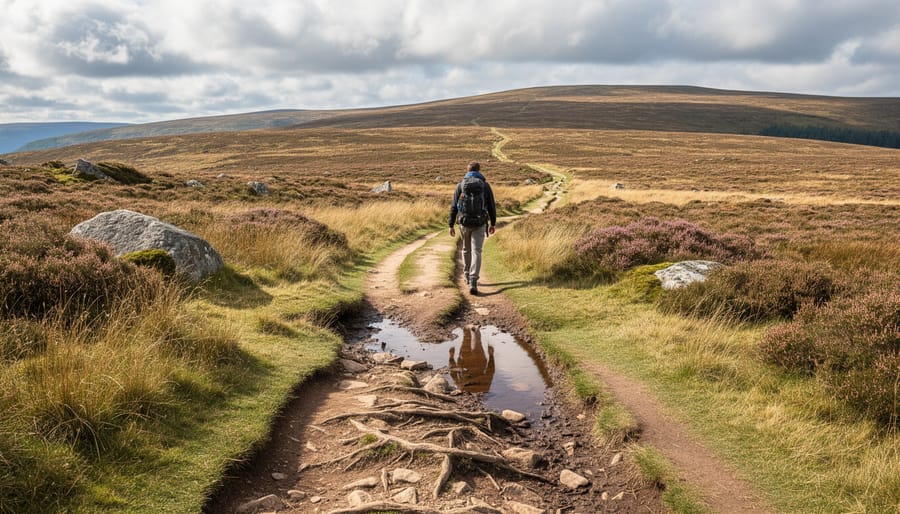
On well-marked trails like the West Highland Way, navigation is straightforward. You’ll spot waymarkers and follow clear paths across moorland, through forests, and along lochs. Your roadbook provides turn-by-turn descriptions, and you can cross-reference with a map when needed. Most hikers cover each stage in five to seven hours of walking, depending on terrain and fitness level.
- Morning departure: Leave after breakfast carrying only your daypack with water, snacks, rain gear, and the day’s navigation materials.
- Follow trail markings: Use waymarkers, your roadbook, or GPS track to stay on route through varied Highland terrain.
- Lunch break: Stop at a scenic spot or village pub to refuel and rest your legs.
- Afternoon hiking: Cover the remaining distance at a comfortable pace, taking photo breaks as the landscape shifts.
- Arrival at your inn: Check in, verify your luggage has arrived, and claim your room.
- Evening rest and recovery: Shower, relax, explore the village, enjoy dinner featuring local ingredients, and prepare for tomorrow.
When you arrive each evening, confirm your luggage is waiting, it should be there before or shortly after you check in. Unpack what you need for the night and tomorrow’s hike. Most inns serve dinner on-site or can recommend nearby restaurants where you’ll taste Scottish salmon, venison, or hearty stews. The evening is yours to soak tired muscles in a hot bath, chat with other walkers, or simply rest with a book before the next day’s adventure.
Verifying Your Trip Logistics
Before you set off into the Scottish Highlands, run through a systematic check of every logistical piece. Start two weeks ahead: confirm each night’s accommodation by email or phone, verify your luggage transfer company has the correct pick-up and drop-off addresses for every stage, and ensure you’ve received or downloaded all route materials, maps, roadbooks, or GPS tracks. Save emergency contact numbers for your accommodation provider, luggage transfer service, and local mountain rescue (112 works throughout Scotland) directly into your phone, not just in a document you might not access offline.
Your pre-trip verification checklist should cover:
- Written confirmation for every booked accommodation along your route
- Luggage transfer schedule with exact pick-up times and drop-off locations
- Downloaded or printed maps, roadbooks, and any GPS files provided
- Emergency contact numbers saved in your phone and written on paper
- Travel insurance policy details and claim procedures accessible offline
- Physical readiness confirmed through training hikes with your actual pack weight
During your trek, check your luggage arrives at each new accommodation before you head out for dinner. If it doesn’t show within an hour of your arrival, contact the transfer company immediately, they can often redirect it same-day. Keep accommodation confirmations and the next day’s route details accessible in your daypack, not in your transferred luggage. When weather turns severe or you’re struggling physically, don’t push through: contact your next accommodation to arrange transport ahead or an extra rest day. Most B&Bs and guesthouses along established routes like the West Highland Way have seen it all and will help you adjust plans rather than risk your safety for the sake of a schedule.
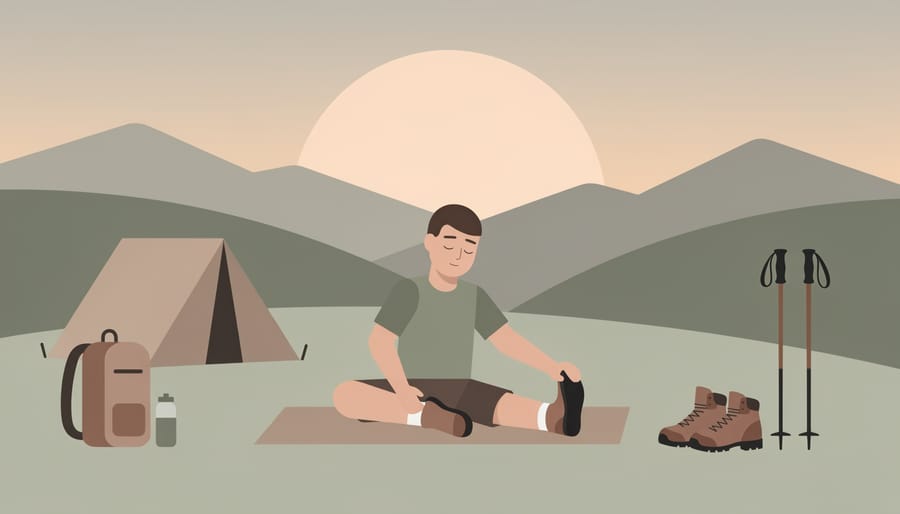
CBD and Outdoor Recovery for Multi-Day Hikers
Adventure enthusiasts planning multi-day Scottish Highlands treks increasingly incorporate CBD into their recovery routines, treating it as another wellness tool alongside proper hydration and stretching. Tinctures offer a compact, measured dose option for evening use at your B&B or guesthouse, while topical creams and balms target specific areas of muscle soreness after a long day walking past Loch Lomond or across Rannoch Moor. Capsules provide pre-measured convenience but take longer to absorb than sublingual tinctures.
The self-guided nature of inn to inn hiking makes CBD integration straightforward. Since luggage transfers move your main bag door to door each day, you can pack full-size bottles in your transferred luggage rather than cramming everything into your daypack. Many hikers apply topicals before bed to address knee or calf discomfort, then take a tincture dose to support sleep quality in unfamiliar accommodations along the West Highland Way or other Scottish routes.
Practical considerations matter when hiking 15 to 20 kilometers per day across varied terrain. Keep a small topical in your daypack if you want midday application for developing hot spots or joint stiffness, but leave tinctures and capsules in your transferred bag to reduce weight. The flexibility of self-guided itineraries means you control your pace and rest days, allowing you to adjust CBD use based on how your body responds rather than keeping up with a group schedule. Most hikers find this combination of physical challenge, comfortable evening accommodations, and thoughtful recovery practices enhances their overall Scottish Highlands experience.
Frequently Asked Questions
What fitness level do I need for inn to inn hiking in Scotland?
Most routes like the West Highland Way suit moderately fit walkers comfortable with 5-8 hours of daily hiking over varied terrain. You can adjust daily distances when you customize your itinerary around your goals, making it accessible for those who prefer shorter stages.
What are the best months for inn to inn hiking in Scotland?
May through September offers the longest daylight and most stable weather, though rain is possible year-round in the Highlands. Early autumn delivers stunning colors and fewer crowds, while spring can be muddier on the trails.
What happens if my luggage doesn’t arrive at my accommodation?
Contact your tour operator immediately using the emergency number provided in your trip documents. Door-to-door luggage transfers are highly reliable on established routes, and operators maintain backup plans for delays.
Can I hike solo safely on these routes?
Yes, very well-marked trails like the West Highland Way make solo hiking straightforward with proper preparation. Carry maps or GPS tracks, share your itinerary with someone at home, and stay aware of weather conditions throughout your trek.
The self-guided format offers real flexibility. You choose your own dates and travel at your own pace, unlike group tours locked to fixed schedules. If you’re feeling strong, cover more ground; if you want an extra rest day to explore a village or recover tired muscles, most operators can adjust your booking. Hand-picked accommodations such as B&Bs and guesthouses are scattered along popular routes, giving you options for both longer and shorter daily stages. Weather in the Scottish Highlands changes quickly, so pack waterproofs and layers even during summer months. The well-marked nature of trails means navigation rarely poses challenges, but carrying backup maps alongside any provided roadbooks adds security. This combination of structure and autonomy makes inn to inn hiking work for both cautious planners and spontaneous adventurers.
Inn to inn hiking in Scotland delivers exactly what adventure seekers want: the freedom to explore dramatic Highland trails without sacrificing a comfortable bed or hot meal at day’s end. You walk at your own rhythm, choosing routes that match your fitness and interests, while your luggage arrives ahead of you and hand-picked accommodations await. Whether you’re tackling the 152-kilometer West Highland Way or customizing a shorter Highland itinerary, the self-guided format gives you structure when you need it and flexibility when you don’t.
The combination of well-marked trails, reliable logistics, and genuine Scottish hospitality turns multi-day trekking into something sustainable and enjoyable rather than a survival test. Modern hikers are also weaving wellness practices into these journeys, some carry CBD tinctures or topicals to support recovery after long stages on uneven terrain.
Choose your route, confirm your accommodations, verify your luggage transfers, and set your own pace across some of the most stunning landscapes in Britain. Scotland’s inn to inn hiking network is ready when you are.