
This West Kootenay Hiking Book Reveals Trails You’ve Never Heard Of
Abby Wilson’s West Kootenay Hiking Guidebook serves as your comprehensive resource for exploring one of British Columbia’s most rewarding yet under-documented hiking regions, offering detailed trail descriptions, difficulty ratings, and navigation tips for routes ranging from family-friendly forest walks to challenging alpine scrambles. This guidebook fills a genuine gap for hikers venturing into the West Kootenay, where trail information has historically been scattered across online forums and local knowledge rather than consolidated into a single, reliable source.
The West Kootenay region stretches across southeastern British Columbia, encompassing pristine wilderness around Nelson, Castlegar, Trail, and Rossland. Trails here wind through old-growth cedar forests, climb to glacier-carved lakes, and traverse ridgelines offering views of the Selkirk and Monashee mountain ranges. Wildlife encounters are frequent, from black bears foraging on berry-laden slopes to mountain goats navigating rocky ledges above treeline.
What sets this guidebook apart is its focus on lesser-known trails that reward exploration without the crowds found at more famous BC destinations. Wilson provides practical details that matter when you’re standing at a trailhead: accurate distances, elevation gain, seasonal considerations, and hazard warnings. Whether you’re a weekend warrior looking for a solid day hike or an experienced backcountry traveler planning multi-day routes, the book offers the information you need to match your ambition with appropriate terrain.
Understanding how to use this guidebook effectively, combined with proper preparation and safety awareness, transforms it from a simple trail catalog into a tool for building unforgettable experiences in West Kootenay backcountry.
What Makes the West Kootenay Hiking Guidebook Different
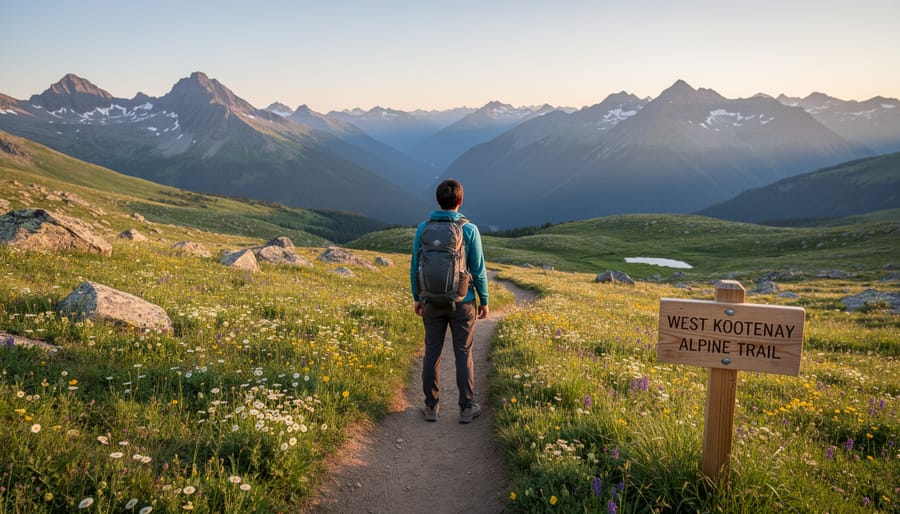
Most hiking resources for British Columbia cast a wide net across the entire province, leaving the West Kootenay region buried in generalizations or ignored completely. Abby Wilson’s West Kootenay Hiking Guidebook takes the opposite approach: it zeroes in exclusively on this mountainous corner of southeastern BC, documenting trails that rarely appear in provincial guides or popular mapping apps.
What sets this book apart is its hyper-local perspective. Wilson doesn’t just list trails, she provides the kind of on-the-ground intelligence you’d typically get from a longtime resident. You’ll find detailed trailhead directions for routes that lack clear signage, insight into which paths turn into overgrown bushwhacks by mid-summer, and honest assessments of trail conditions that generic platforms can’t capture. The guidebook includes routes through the Selkirk and Monashee ranges that have been hiked by locals for decades but remain virtually unknown outside the region.
Unlike trail apps that rely on user-generated content of wildly varying quality, Wilson’s guidebook maintains consistent standards across every entry. Each trail description follows a structured format covering elevation gain, estimated time, difficulty rating, and specific navigation notes. The book documents both established trails maintained by recreation districts and lesser-known paths that require solid route-finding skills.
The guidebook also fills gaps left by outdated regional resources. Many older West Kootenay trail guides haven’t been updated in years, meaning they reference trailheads that no longer exist or ignore new access restrictions. Wilson’s work reflects current conditions, including recent logging road changes, updated parking information, and trail modifications made by local hiking clubs.
For anyone planning to explore beyond the handful of popular West Kootenay hikes that show up in provincial guidebooks, this focused resource eliminates the guesswork. It’s the difference between fumbling through incomplete online descriptions and having reliable, field-tested information for one of BC’s most underrated hiking regions.
Who This Book Serves Best
Abby Wilson’s West Kootenay Hiking Guidebook wasn’t designed with a single type of hiker in mind. It works for families planning their first mountain hike, solo adventurers searching for quiet wilderness, and veteran backcountry travelers looking to fill gaps in their regional knowledge. The book’s strength lies in its honest trail ratings and detailed descriptions that help you match routes to your actual abilities, not your aspirations.
Beginners benefit from clearly marked starter trails with shorter distances, gentle elevation gains, and straightforward navigation. Wilson includes information on parking access, trail conditions, and what to expect around each corner, which removes the anxiety many new hikers feel about venturing into unfamiliar territory. These accessible routes still deliver rewarding views and genuine wilderness experiences without requiring technical skills or specialized equipment.
Experienced hikers appreciate the book’s coverage of lesser-known backcountry routes that don’t appear in mainstream trail databases. Wilson documents challenging scrambles, multi-day traverses, and remote peaks that demand navigation skills and self-sufficiency. She doesn’t sugarcoat difficulty, if a trail involves river crossings, sustained steep grades, or requires route-finding through unmarked terrain, the guidebook says so plainly.
The book also serves hikers who fall somewhere in the middle, those ready to push beyond easy lakeside walks but not yet prepared for technical alpine routes. Wilson provides progression suggestions, helping you build skills systematically rather than jumping into situations beyond your capabilities. Whether you’re hiking twice a year or fifty times, the guidebook meets you where you are and points toward your next adventure.
Trail Diversity in the West Kootenay Region
Wildlife Encounters to Anticipate
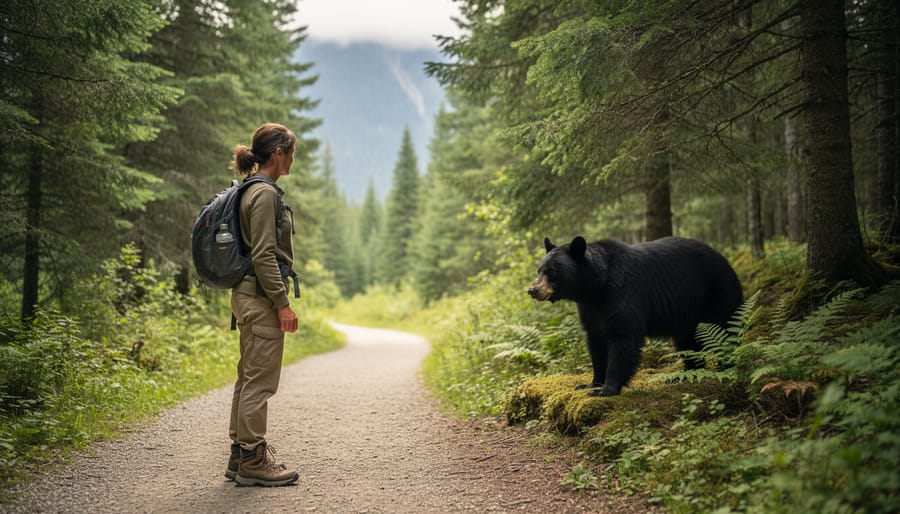
The West Kootenay’s mountain corridors and forested valleys create prime habitat for wildlife encounters that transform ordinary hikes into unforgettable experiences. Black bears are the most common large mammals you’ll spot, particularly in berry-rich areas during late summer. Mountain goats navigate rocky outcrops in the region’s alpine zones, while mule deer frequent meadows at dawn and dusk. Birdwatchers can identify Clark’s nutcrackers, varied thrushes, and occasionally golden eagles soaring above ridgelines.
Wilson’s guidebook includes wildlife likelihood ratings for specific trails, helping you choose routes based on your comfort level with animal encounters. The key to safe wildlife watching is maintaining distance and never approaching animals for closer views. Carry bear spray on every hike, make noise when rounding blind corners, and store food properly even during short breaks. If you encounter a bear, stay calm, speak in a low voice, and back away slowly without turning your back. Mountain goats deserve equal respect, they can become aggressive if they feel cornered on narrow ledges. These sightings add richness to your hiking experience when approached with proper awareness and preparation.
Seasonal Considerations
The West Kootenay’s dramatic elevation changes create four distinct hiking seasons, each offering its own rewards. Summer brings alpine wildflowers that carpet mountain meadows from late June through August, while trails above treeline open fully by mid-July. The guidebook notes which routes showcase the best blooms and which high passes remain snow-covered into summer.
Fall transforms the region from September through October, when larch trees turn brilliant gold against evergreen forests. These weeks offer cooler temperatures, fewer crowds, and spectacular photography conditions. Many mid-elevation trails featured in Wilson’s book shine during this season, combining comfortable hiking with visual drama.
Winter opens a different set of possibilities. Lower-elevation forest trails and lakeside routes remain accessible for snowshoeing, while certain valleys offer gentle terrain perfect for winter exploration. The guidebook identifies trails suitable for cold-weather adventures, though most alpine routes close until snowpack recedes.
Spring arrives gradually in the West Kootenay, with valley trails opening by April while mountain passes stay buried until June. This transition period requires flexible planning, checking current conditions becomes essential when following the guidebook’s recommendations during these shoulder months.
How to Use This Guidebook Effectively
Start by reading through the entire West Kootenay Hiking Guidebook before your first outing. This gives you a sense of trail variety and helps you match routes to your fitness level and experience. Wilson’s book uses a clear rating system that accounts for distance, elevation gain, and trail conditions, which helps you avoid underestimating a hike or choosing something too ambitious for a first venture into the region.
- Identify your starting location and how far you’re willing to drive, the West Kootenay spans a large area and some trailheads sit several hours apart.
- Review the trail description thoroughly, noting elevation profiles and any mentions of creek crossings or sections where you’ll need to understand what are switchbacks to gauge difficulty accurately.
- Cross-reference the guidebook’s maps with a current topographic map or GPS app like Gaia or CalTopo for detailed terrain features and backup navigation.
- Check regional weather forecasts up to 24 hours before departure, as mountain conditions can shift rapidly and affect trail accessibility.
- Note any warnings about seasonal closures, wildlife activity, or trail maintenance issues mentioned in the book, then verify current conditions through local ranger stations or hiking forums.
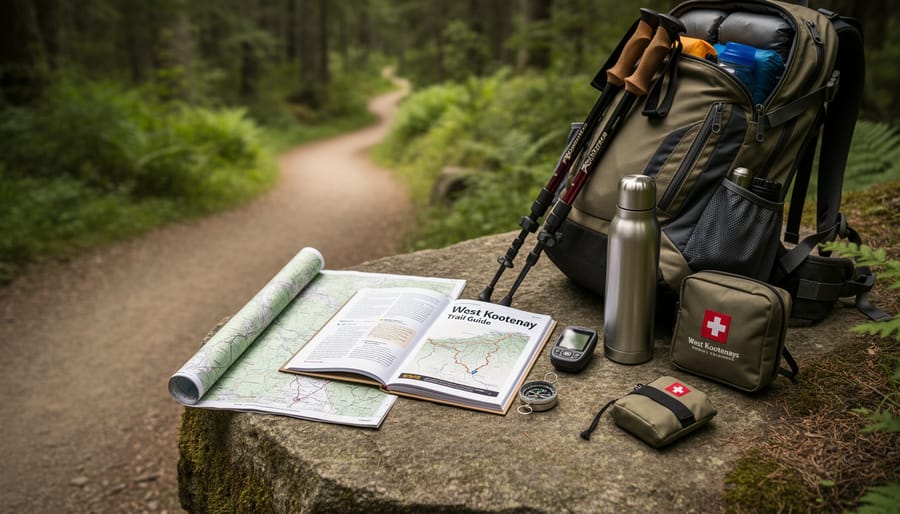
Combine the guidebook with real-time resources rather than treating it as your only information source. Download offline maps to your phone since cell coverage is patchy throughout much of the West Kootenay backcountry. Keep the physical book in your pack as a reliable reference when batteries die or screens become unreadable in bright sunlight.
Use the book’s difficulty ratings as guidelines, not absolutes. Your personal experience, the season, and recent weather all influence how challenging a trail actually feels on the day you hike it.
Essential Gear for West Kootenay Trails
West Kootenay’s mountain terrain demands gear that can handle rapid weather shifts and remote trail conditions. Start with a layering system: moisture-wicking base layer, insulating mid-layer, and a waterproof shell. Afternoon thunderstorms roll in quickly at elevation, so pack rain gear even on cloudless mornings.
Sturdy boots with ankle support are non-negotiable on rocky alpine routes and creek crossings. Trekking poles reduce knee strain on steep descents and provide stability on loose scree. Carry a navigation system beyond your phone, a physical map and compass work when batteries die in the backcountry.
For overnight trips into the remote areas Wilson’s guidebook covers, bring the right sleeping pad rated for mountain temperatures that can drop sharply after sunset. A bear canister or bear hang rope protects food in areas with active wildlife. Review camp food ideas that balance nutrition with pack weight for multi-day routes.
Pack a first-aid kit, headlamp, fire starter, and emergency shelter. Cell service is unreliable or absent on many West Kootenay trails, so a satellite communicator adds a safety layer. Always carry more water than you think you’ll need, mountain springs can dry up by late summer, and hydration matters at altitude.
Safety First: Preparing for Remote Trails
Remote West Kootenay trails demand a different level of preparation than well-trafficked routes near urban centers. The region’s rugged terrain and distance from services mean that small oversights can escalate quickly, making thorough safety planning essential before you set foot on the trail.
Cell service disappears rapidly once you venture into mountainous areas, so plan for limited cell service by downloading offline maps and carrying a physical compass alongside topographic maps. A satellite communicator or personal locator beacon adds a crucial safety layer for trails where help is hours away. Know how to use your navigation tools before you need them in thick fog or after sunset.
Wildlife encounters, particularly with bears, require specific preparation. Study bear safety awareness principles and carry bear spray within immediate reach, not buried in your pack. Many hikers also use bear bells for hiking to announce their presence on trails where sightlines are limited. Fresh tracks or scat mean moving through bear territory with extra caution and making plenty of noise.
Protecting these pristine environments matters as much as protecting yourself. Following Leave No Trace guidance keeps trails accessible and wildlife undisturbed. Pack out everything you bring in, stay on established paths to prevent erosion, and camp only in designated areas when overnight trips are permitted. The West Kootenay’s beauty persists because hikers treat it with respect, ensuring future adventurers can experience the same unspoiled wilderness.
Beyond the Book: Connecting with the West Kootenay Hiking Community
The trails described in Abby Wilson’s guidebook thrive because dedicated locals maintain them, advocate for their protection, and welcome newcomers into the fold. Joining the West Kootenay hiking community extends your experience far beyond the pages.
Several regional hiking clubs organize group outings throughout the year, perfect for meeting fellow adventurers and discovering trails with experienced leaders who know the terrain intimately. These groups often coordinate trips for various fitness levels, from casual Sunday morning walks to demanding backcountry expeditions.
Trail maintenance organizations depend on volunteers to clear windfall, repair erosion damage, and mark routes. A few hours spent maintaining trails you love deepens your connection to these landscapes and ensures they remain accessible for future hikers.
Conservation groups working in the region need advocates who understand what’s at stake. Attending meetings, participating in trail cleanups, and supporting habitat restoration projects turns your passion for hiking into tangible protection for the wilderness that draws you back season after season.
These connections transform solitary hikes into lasting relationships with both people and place, enriching every adventure you take in the West Kootenays.
Abby Wilson’s West Kootenay Hiking Guidebook offers something increasingly rare: deep, local knowledge packaged for real-world use. Generic trail apps can’t match the insight that comes from someone who has walked these paths repeatedly, noted the seasonal quirks, and understands what makes a West Kootenay hike special. With this resource in your pack, you’re equipped to move beyond the crowded front-country trails and discover the region’s hidden alpine lakes, ridge walks with views that stretch for miles, and quiet forest routes where the only sounds are your footsteps and birdsong.
The West Kootenay’s trails connect to a larger adventure ecosystem. After a morning summit push, you might find yourself paddling a glacier-fed lake or exploring the interconnected waterways that make this region a haven for multi-sport exploration. Whether you’re planning a weekend of varied activities or a dedicated hiking trip, Wilson’s guidebook gives you the confidence to venture deeper, stay safer, and truly experience what makes this corner of British Columbia unforgettable. Start with one trail. You’ll quickly find yourself planning the next.