Why Guided Kayaking Tours Transform First-Timers Into Lifelong Paddlers
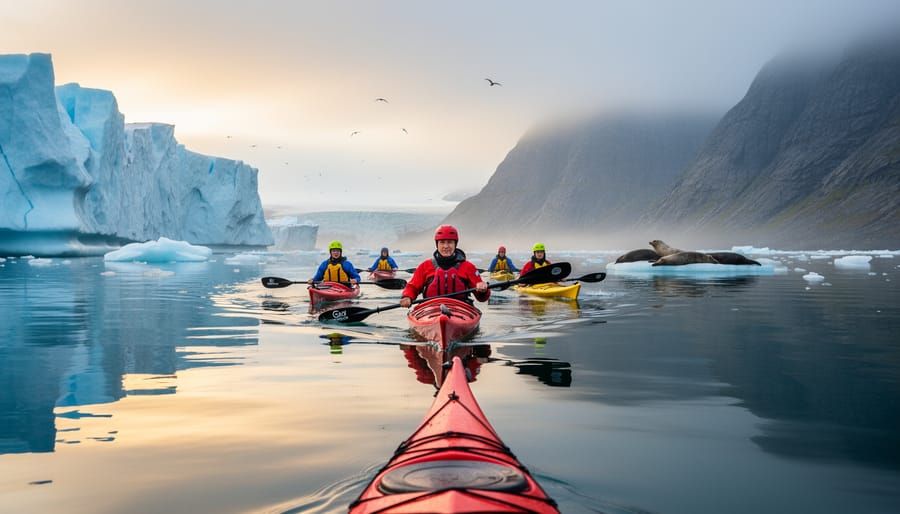
Glide through pristine waterways where towering icebergs cast sapphire shadows and curious seals surface alongside your paddle. Guided kayaking tours transform water-based exploration from a solitary challenge into an expertly curated adventure, whether you’re gripping a paddle for the first time or refining your stroke technique.
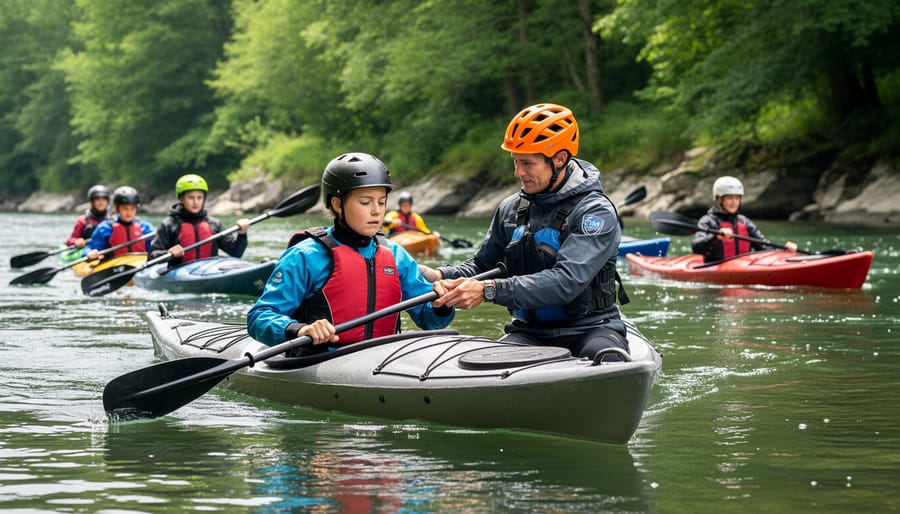
The magic of guided tours lies in their accessibility. Expert guides handle route navigation, weather assessment, and wildlife tracking while you focus entirely on the experience. First-timers receive hands-on instruction in proper paddling form, safety protocols, and equipment use before launching. Experienced paddlers gain insider knowledge about hidden coves, optimal wildlife viewing times, and advanced techniques for handling varying water conditions.
Safety becomes second nature when professionals manage risk factors you might overlook. Guides monitor changing weather patterns, assess water currents, maintain emergency communication equipment, and carry rescue gear. They’re certified in wilderness first aid and trained in swift-water rescue techniques, providing security that allows complete immersion in your surroundings.
Equipment concerns disappear entirely. Tour operators provide properly fitted kayaks, paddles, personal flotation devices, dry bags, and often wetsuit or drysuit rentals appropriate for water temperatures. This eliminates the barrier of expensive gear purchases and storage logistics while ensuring you paddle in well-maintained, reliable equipment.
The true value emerges in moments you cannot orchestrate alone: interpreting animal behavior as whales breach nearby, identifying geological formations that reveal millions of years of natural history, or navigating safely to secluded beaches accessible only by water.
What Makes Guided Kayaking Tours Different From Going Solo
When you’re choosing between a guided kayaking tour and paddling on your own, you’re really deciding between two fundamentally different experiences. The distinction goes far beyond simply having someone lead the way—it encompasses every aspect of your time on the water.
The most significant difference lies in the comprehensive support system that comes with professional guides. These experienced kayakers bring years of local knowledge about water conditions, weather patterns, and the hidden gems you’d likely miss navigating alone. They know where icebergs tend to drift along certain coastlines, which channels offer the best wildlife encounters, and how to read the water for optimal safety. This expertise transforms an ordinary paddle into an educational adventure where every stroke teaches you something new about the environment.
| Aspect | Guided Tours | Solo Kayaking |
|---|---|---|
| Safety | Professional oversight, emergency protocols, group support | Self-reliant, personal responsibility for all decisions |
| Local Knowledge | Expert insights on wildlife, terrain, and conditions | Research-dependent, learning through trial and error |
| Equipment | High-quality gear provided and fitted properly | Must purchase or rent independently |
| Experience | Educational commentary, storytelling, curated routes | Personal exploration at your own pace |
Equipment provision represents another major advantage. Guided tours typically include professional-grade kayaks, properly fitted safety gear, and specialized equipment you might not own. Your guide ensures everything fits correctly and functions properly before you launch, eliminating the guesswork that often intimidates newcomers.
The educational component cannot be overstated. Guides share fascinating ecological information, pointing out wildlife behavior you’d otherwise overlook and explaining the geological forces that shaped the landscape. They teach proper paddling techniques in real-time, helping you conserve energy and navigate more efficiently. This hands-on instruction accelerates your learning curve far beyond what solo practice offers.
Solo kayaking certainly has its appeal for experienced paddlers seeking solitude and independence. However, guided tours deliver value through safety, knowledge, convenience, and the social experience of sharing an adventure with fellow enthusiasts.
The Expert Guide Advantage: More Than Just Paddling Instructions
Reading Water and Weather Like a Pro
Professional kayak guides are trained to read nature’s subtle signals that many paddlers might miss. Before launching any tour, they assess current water conditions, checking for wind patterns, wave height, and water clarity that indicate what lies beneath the surface. On tidal waterways like those in Maine’s Acadia or British Columbia’s coastal inlets, guides time departures strategically, using incoming tides to assist paddlers and avoiding dangerous tidal rips that form when massive volumes of water squeeze through narrow passages.
Guides also monitor weather systems continuously, recognizing how afternoon thermal winds develop on large lakes or how fog banks roll in along Pacific Northwest coastlines. They understand local microclimates—knowing, for example, that Alaska’s glacier-fed waters create unique conditions where cold air meeting warmer surfaces produces sudden weather shifts. When paddling near icebergs, guides assess ice stability and maintain safe distances from calving events.
This expertise transforms potentially risky situations into calculated adventures. Guides don’t just react to conditions; they anticipate them, choosing routes that match both environmental factors and group abilities, ensuring everyone experiences the thrill of exploration without unnecessary risk.
Wildlife Encounters Done Right
One of the most thrilling aspects of guided kayaking tours is the opportunity to witness wildlife in their natural habitat, and your guide makes all the difference in these encounters. Professional guides know exactly where to position your group for optimal viewing while maintaining safe distances that protect both paddlers and animals. They’re trained in marine life viewing guidelines and understand animal behavior patterns, ensuring every encounter respects ecological boundaries.
Along iceberg trails and coastal waterways, you might spot seals lounging on ice floes, sea otters floating on their backs, or bald eagles soaring overhead. Your guide will help you identify species, share fascinating behavioral insights, and explain the ecological importance of what you’re witnessing. They’ll also recognize when animals show signs of stress and adjust accordingly, teaching you to be a responsible wildlife observer.
This educational component transforms simple sightings into meaningful experiences. You’ll learn which seasons bring migrating whales, where bears fish for salmon, and how to read the subtle signs that wildlife is nearby. Guides carry field guides and spotting scopes to enhance your viewing experience while modeling the Leave No Trace principles that keep these wild spaces pristine for future generations.
Choosing the Right Guided Tour for Your Skill Level
Beginner-Friendly Options: Building Confidence on the Water
If you’ve never paddled before, don’t worry—many guided tours are specifically designed with first-timers in mind. Look for tours explicitly labeled “beginner-friendly” or “introductory,” which typically take place on calm, protected waters like sheltered bays, slow-moving rivers, or peaceful lakes. These venues eliminate the intimidation factor of waves or strong currents, allowing you to focus purely on learning basic strokes and building confidence.
Duration matters significantly for your first experience. Choose tours ranging from two to three hours rather than full-day excursions. This timeframe provides enough water time to feel accomplished without overwhelming your muscles or attention span. You’ll be surprised how quickly you adapt to the rhythm of paddling.
The best beginner tours dedicate substantial time to shore-based instruction before launching. Your guide should thoroughly cover paddling techniques, safety protocols, and how to handle your kayak. Expect at least 15-20 minutes of pre-launch training. Quality operators maintain small group sizes—ideally six to eight paddlers maximum—ensuring your guide can provide individual attention and quickly assist if you need help. This personalized approach transforms nervous anticipation into genuine excitement, setting the foundation for a lifelong love of kayaking.
Intermediate Adventures: Expanding Your Horizons
Ready to take your paddling to the next level? Intermediate guided tours open up thrilling new possibilities that build on your foundational skills. These adventures typically venture into coastal environments where you’ll navigate tide changes, handle modest swells, and explore dramatic shorelines shaped by wind and waves.
Multi-day expeditions are the crown jewel of intermediate kayaking, combining camping with extended paddling sessions. Imagine setting up beachside camps after a full day on the water, then waking to sunrise over glassy bays. These tours often take you through remote areas where wildlife encounters become more frequent—think seals popping up beside your kayak or eagles soaring overhead as you paddle past towering cliffs.
What makes these tours manageable despite their challenges? Your guides expertly read weather patterns and water conditions, adjusting routes to match the group’s capabilities. You’ll learn advanced techniques like bracing in choppy water, efficient stroke mechanics for distance paddling, and navigating through narrow passages between islands or along dramatic rock formations, including routes near spectacular iceberg trails in northern waters.
These experiences demand reasonable fitness and comfort spending several hours in your kayak, but the payoff is unforgettable: reaching places that feel genuinely wild and earning spectacular views through your own effort.
Advanced Expeditions: Pushing Your Limits Safely
For seasoned paddlers craving the ultimate challenge, advanced expeditions deliver adrenaline-pumping adventures with professional safety nets. These specialized tours push boundaries while maintaining expert oversight that solo paddling can’t provide.
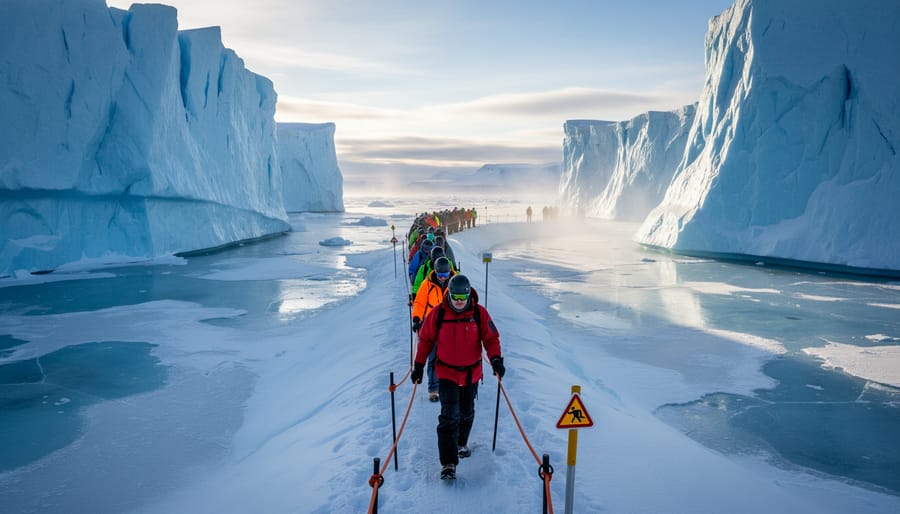
Iceberg trails represent the pinnacle of kayaking experiences, where you’ll navigate among towering ice formations in Arctic and sub-Arctic waters. Guides monitor ice movements, weather patterns, and safe passage routes while you focus on the breathtaking scenery. These trips require strong paddling skills and cold-water experience, but the reward is accessing one of nature’s most spectacular phenomena.
Open ocean paddling takes you beyond protected bays into challenging swells and currents. Expert guides assess conditions, plan contingencies, and teach advanced techniques for handling rough water. You’ll develop skills in navigation, reading ocean patterns, and managing exposure while experiencing the raw power of coastal waters.
Expedition-style multi-day adventures combine wilderness camping with extended paddling journeys through remote territories. These immersive experiences include wildlife encounters with whales, sea otters, and coastal bears, all while guides handle logistics, safety protocols, and route planning. Support teams often accompany longer expeditions, allowing you to concentrate on the paddling experience rather than equipment management. These challenging tours transform experienced kayakers into expedition paddlers through mentorship and real-world conditions.
What to Expect on Your First Guided Kayaking Tour
Essential Gear: What’s Provided and What to Bring
One of the best aspects of guided kayaking tours is that operators provide all the essential paddling equipment you’ll need. You can expect your tour to include the kayak itself, paddles, personal flotation devices (PFDs), and typically a dry bag for storing your belongings. Many outfitters also provide spray skirts for sit-inside kayaks and basic safety gear like whistles and bilge pumps.
However, you’ll want to bring personal items to ensure your comfort throughout the journey. Dress in quick-drying layers rather than cotton, which stays wet and cold. Synthetic fabrics or merino wool work best, even in summer when conditions can change rapidly. Water shoes or sandals with secure straps protect your feet during launches and landings. Don’t forget sun protection including a wide-brimmed hat, sunglasses with a retention strap, and reef-safe sunscreen.
Pack a reusable water bottle to stay hydrated and energy-rich snacks like trail mix or granola bars. A waterproof phone case lets you capture those incredible wildlife encounters and stunning iceberg trails safely. If you wear prescription glasses, bring a retention strap. During cooler months or in northern regions, consider bringing a lightweight waterproof jacket.
Most tour operators provide a detailed packing list when you book, so review it carefully and contact them with any questions about specific gear recommendations for your tour location and season.
North America’s Most Spectacular Guided Kayaking Destinations
North America’s vast coastlines and waterways create extraordinary opportunities for guided kayaking adventures that reveal the continent’s most dramatic natural wonders. From the rugged shores of Newfoundland to the pristine waters of Alaska, these premier destinations showcase why paddling with experienced guides unlocks access to experiences you simply can’t replicate on your own.
The icefields of Newfoundland and Labrador offer perhaps the most unique kayaking experience on the continent. Between May and July, enormous icebergs drift southward along iceberg trails, creating a surreal paddling environment where these ancient ice sculptures tower above your kayak. Guides navigate the constantly changing ice formations safely while sharing insights about glacier calving and the maritime ecology thriving in these cold waters. The thrill of paddling alongside a 10,000-year-old iceberg is genuinely unforgettable.
Alaska’s Inside Passage presents equally spectacular scenery with incredible wildlife encounters. Guided tours through these protected waters bring you face-to-face with breaching humpback whales, playful sea otters, and lounging harbor seals. Expert guides understand animal behavior and seasonal patterns, positioning your group for optimal viewing while maintaining respectful distances that protect both paddlers and wildlife.
The Pacific Northwest combines dense coastal rainforests with sheltered island passages, creating diverse ecosystems to explore. British Columbia’s fjords and Washington’s San Juan Islands provide calmer waters ideal for beginners while still delivering breathtaking scenery and wildlife sightings including orcas and bald eagles.
Florida’s Everglades and the mangrove tunnels of the Keys offer warm-water alternatives where guides lead you through winding waterways teeming with manatees, dolphins, and tropical birds. These environments require local knowledge to navigate successfully and spot camouflaged wildlife that untrained eyes would miss completely.
Safety Protocols That Make Guided Tours Worth It
Professional guided kayaking tours implement multiple layers of safety protocols that transform what might feel daunting into a secure, enjoyable adventure. These comprehensive measures provide peace of mind whether you’re paddling alongside iceberg trails in Newfoundland or navigating coastal waters rich with wildlife encounters.
Guide certification stands as the foundation of tour safety. Reputable operators employ guides trained in wilderness first aid, swift water rescue, and coastal navigation. Many hold certifications from organizations like the American Canoe Association or equivalent bodies, ensuring they possess both technical paddling expertise and emergency response skills. Your guide isn’t just showing you the route—they’re your safety net on the water.
Weather monitoring systems keep tours ahead of changing conditions. Professional outfitters track marine forecasts, wind patterns, and tidal movements using real-time data. They establish clear cancellation protocols and won’t hesitate to postpone tours when conditions become marginal. This proactive approach means you’ll never feel pressured into paddling when Mother Nature suggests otherwise.
Communication equipment forms another critical safety layer. Guides carry VHF radios, satellite phones, or GPS devices depending on the tour location. This connectivity ensures immediate contact with emergency services and shore-based support teams. Many operators also use buddy systems and maintain visual contact protocols throughout the journey.
Emergency action plans cover everything from capsizes to wildlife encounters. Before launching, guides brief participants on self-rescue techniques, group signals, and evacuation procedures. They carry comprehensive first aid kits and maintain minimum ratios of guides to participants—typically one guide per six to eight kayakers.
These overlapping safety systems create an environment where you can focus on the experience itself, knowing professionals are managing the risks behind the scenes.
Common Questions Beginners Ask Before Booking
If you’re considering your first guided kayaking tour, you’re not alone in having questions. Most beginners share similar concerns, and understanding the answers can make the difference between hesitation and booking the adventure of a lifetime.
Do I need to be physically fit to join a guided kayaking tour?
Most beginner-friendly tours require only moderate fitness levels, as guides match the pace to the group’s abilities. If you can walk a few miles comfortably, you’ll likely handle entry-level kayaking without issues.
Do I need to know how to swim?
While swimming ability is recommended, many tour operators welcome non-swimmers on calm-water tours when participants wear properly fitted life jackets throughout the experience. Always disclose your swimming ability when booking so guides can provide appropriate safety measures.
What happens if weather conditions turn bad?
Reputable operators prioritize safety and will reschedule or refund tours if conditions become unsafe. Many companies monitor weather closely and contact participants in advance about potential cancellations.
Can I bring my camera or phone on the water?
Absolutely! Most tours encourage photography for wildlife encounters and scenic moments. Guides typically recommend waterproof cases or dry bags, and some operators even pause at prime photography locations near iceberg trails or wildlife viewing spots.
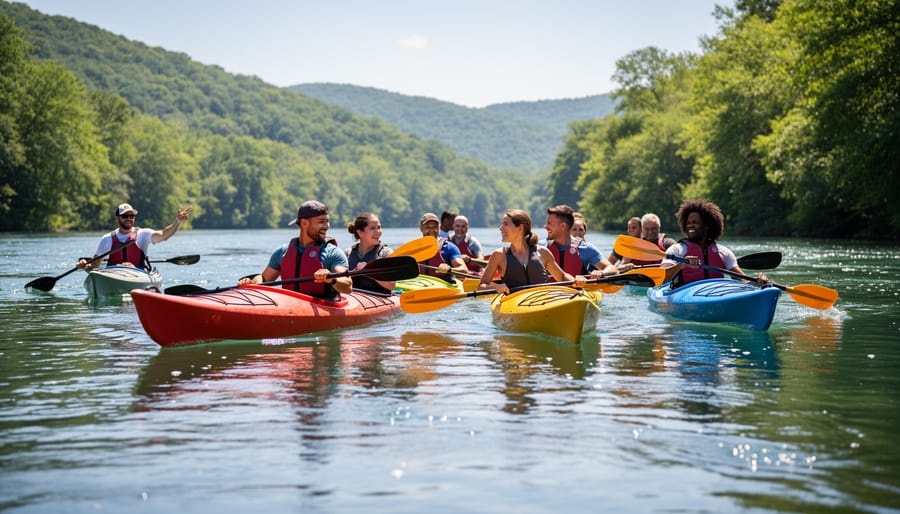
Another common concern involves group dynamics. Guided tours typically accommodate 6 to 12 paddlers, creating an intimate experience where guides can provide individual attention while fostering a friendly group atmosphere. Solo travelers appreciate this social aspect, while families and couples enjoy meeting like-minded adventurers.
Age restrictions vary by tour difficulty, but many operators welcome children as young as six on gentle excursions. Family-oriented tours feature shorter distances and frequent breaks, ensuring younger paddlers stay engaged and comfortable.
For longer tours, restroom access is addressed through strategic route planning. Half-day and full-day excursions include stops at beaches or facilities, and guides communicate break schedules clearly during pre-trip briefings. Don’t feel embarrassed asking about this practical consideration when booking.
The key takeaway? Guided tours are specifically designed to accommodate beginners. Operators want you to succeed and enjoy yourself, which means they’ve already anticipated your concerns and built solutions into their programs. Your questions aren’t obstacles; they’re the first step toward an unforgettable paddling experience.
The beauty of guided kayaking tours lies in their power to transform uncertainty into confidence and hesitation into action. Whether you’re eyeing those magnificent iceberg trails off Newfoundland’s coast or dreaming of peaceful paddles through wildlife-rich marshlands, professional guidance removes every obstacle standing between you and the water. You don’t need years of experience, specialized equipment, or advanced navigation skills to explore North America’s most stunning waterways. What you need is simply the willingness to show up.
Guided tours democratize adventure, creating pathways for everyone to access experiences that might otherwise feel intimidating or out of reach. With expert instructors handling safety protocols, providing quality gear, and sharing their intimate knowledge of local ecosystems and conditions, your only job is to immerse yourself in the journey. From your first nervous paddle stroke to confidently navigating alongside curious seals or beneath towering coastal cliffs, professional support ensures you’re building skills while creating unforgettable memories.
The waterways are waiting, and they’re more accessible than you think. Taking that first step with Stanley Kayaking’s experienced guides means choosing the path that countless adventurers before you have discovered leads to some of life’s most rewarding outdoor experiences.