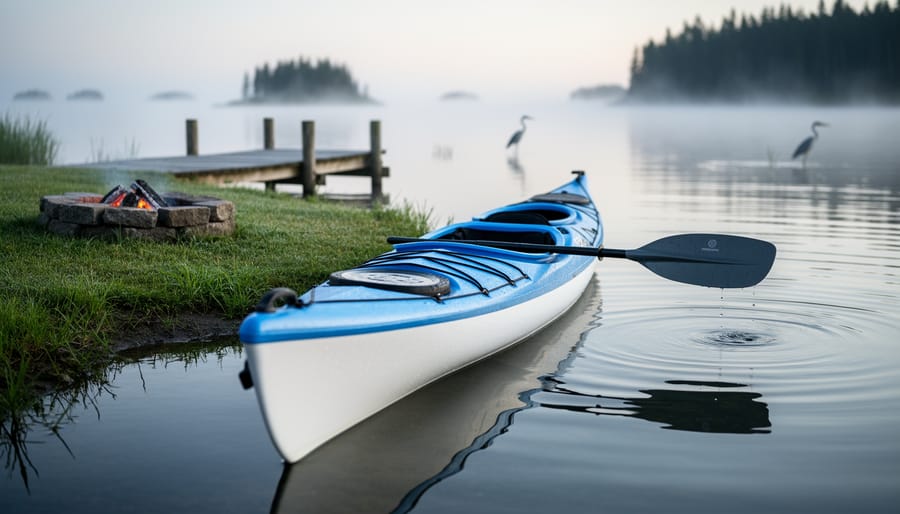
Your Complete Booking Strategy for Camping Chenal Du Moine in 2026
Camping Chenal du Moine sits on the doorstep of one of Quebec’s most spectacular paddling destinations: the 103-island archipelago of Parc national des Îles-de-Boucherville. This shoreline campground has become the launchpad of choice for kayakers eager to explore sheltered channels where great blue herons hunt along grassy banks and the St. Lawrence River reveals its quieter side.
Securing a spot here requires planning. The campground’s limited waterfront sites book out weeks ahead during peak season, especially for weekend arrivals. Log into the Sépaq reservation system exactly four months before your target date (bookings open at 8:00 AM) to claim prime sites. Mid-week arrivals in June or September offer better availability and calmer waters for paddling.
What sets this location apart is immediate water access without the logistical headaches. Launch your kayak steps from your tent and within minutes you’re threading through channels where the current slackens and wildlife thrives. The archipelago’s protected waters make it ideal for paddlers still building confidence, while experienced kayakers can venture toward the main river channel where conditions demand stronger skills.
The campground itself is modest but functional. Sites include fire pits and picnic tables, with clean facilities nearby. You’re not here for luxury camping. You’re here because dawn on the water, watching mist lift off channels as turtles surface and ospreys dive, creates moments no resort can replicate.
Pack your boat and gear ready to go. Time on the water is the currency that matters here.
Why Camping Chenal Du Moine Is Worth Planning Ahead For
Camping Chenal Du Moine sits at the edge of one of North America’s most remarkable freshwater ecosystems. With privileged access to the St. Lawrence archipelago’s 103 islands, rivers, and marshes, this campground serves as your gateway to a paddling paradise that few other locations can match.
The archipelago creates a labyrinth of sheltered channels and open waterways that draw kayakers from across the continent. Unlike exposed coastal paddling or simple river routes, these St. Lawrence archipelago islands offer protected exploration through diverse terrain where every bend reveals new scenery. You’ll glide past reed-fringed islands, navigate calm channels between marsh grasses, and discover hidden inlets that feel completely removed from civilization.
The wildlife viewing here rivals dedicated nature reserves. Great blue herons stalk the shallows at dawn, their prehistoric silhouettes frozen against the morning mist. Beavers construct their lodges in quiet backwaters, and if you paddle silently through the channels, you’ll spot painted turtles basking on half-submerged logs. Kingfishers patrol overhead, diving suddenly for fish, while muskrats leave V-shaped wakes across glassy water. The marshes teem with life during spring and fall migrations, making the area a magnet for birders as much as paddlers.
This rich environment draws visitors from May through October, and prime summer weekends fill quickly. The campground’s direct water access means you can launch at sunrise and explore for hours without trailering to distant put-ins. That convenience, combined with the archipelago’s protected waters suitable for beginners yet engaging enough for experienced paddlers, makes Chenal Du Moine especially popular among multi-day kayaking groups and families seeking accessible adventure.
Securing your preferred dates means planning ahead. The combination of limited campsites and exceptional paddling access creates competition you won’t face at ordinary campgrounds.
What You Need to Know Before Booking
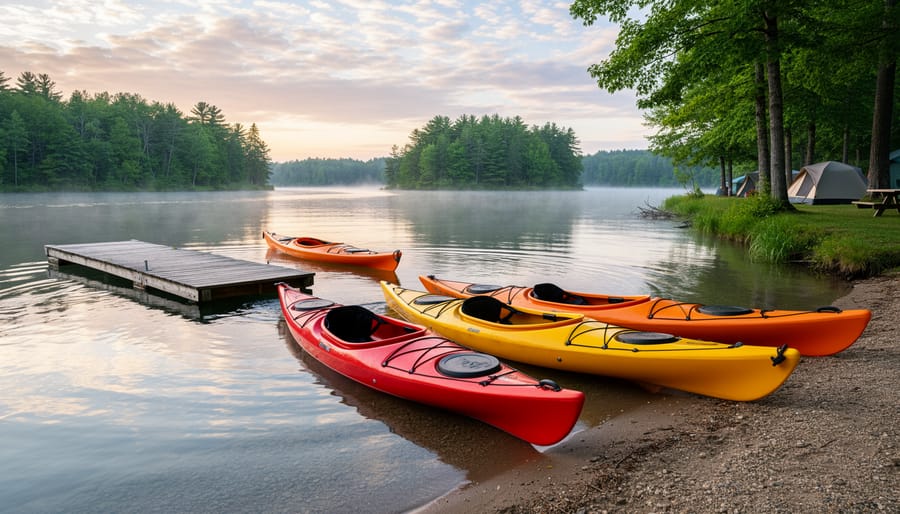
Access Requirements and Location Details
Camping Chenal Du Moine sits in Sainte-Anne-de-Sorel, Quebec, roughly 90 minutes northeast of Montreal along Highway 40 and Route 132. The drive takes you through charming riverside towns before reaching the archipelago region. You’ll find the campground well-signed from the main road, though GPS coordinates ensure you won’t miss the turn during your first visit.
Parking is straightforward once you arrive. Most campsites accommodate vehicles directly at your spot, while designated overflow areas handle peak-season crowds and day-use kayakers launching from the facility. The flat terrain makes navigating with trailers and RVs manageable for most drivers.
Seasonal access typically runs from late spring through early fall, when water levels and weather conditions support safe kayaking through the marshes and channels. Ice and flooding can limit access during winter and early spring months. Contact the campground before finalizing your plans, especially if you’re booking shoulder-season dates in May or late September. They’ll confirm current conditions and any temporary restrictions affecting vehicle access or water routes through the 103-island archipelago system.
Best Times to Visit for Kayaking
The St. Lawrence archipelago reveals different personalities throughout the paddling season, each offering distinct rewards for kayakers. Late May through mid-June delivers exceptional birding as herons, kingfishers, and waterfowl establish nesting territories across the marshes. Water levels run high from spring runoff, creating swift currents through the channels that demand confident boat handling but open access to smaller waterways that become shallow later. Mornings are cool, mosquitoes are active, and campground crowds remain light.
July and August bring warm, stable weather ideal for overnight kayak camping among the islands. Water temperatures climb into the comfortable range for accidental swims, and long daylight hours let you cover serious distance through the 103-island maze. Beaver and muskrat activity peaks during dawn and dusk paddles. The trade-off: these months draw the highest campground occupancy, so securing your site requires advance planning. Afternoon thunderstorms build quickly over the river valley, making weather awareness essential.
September offers a sweet spot for experienced paddlers. Crowds thin dramatically after Labour Day while water conditions remain excellent through the month. Migratory birds stage through the marshes, and autumn colors frame your routes by mid-month. Water levels drop, exposing sandbars that create new hazards but also primitive camping spots. Nights turn cold, but daytime paddling stays pleasant with fewer insects and crystalline light for photography.
How to Secure Your Campsite
Securing a campsite at Chenal Du Moine requires a proactive approach, especially if you’re planning to visit during the prime kayaking months of June through August. The campground operates on a reservation system, and understanding how to navigate the booking process can make the difference between scoring your ideal dates and missing out on this archipelago gateway.
Your first step should be direct contact with the campground itself. While many Quebec campgrounds have migrated to online booking platforms, calling Camping Chenal Du Moine directly remains the most reliable way to get current information about availability, reservation windows, and any seasonal booking restrictions. Having a conversation with staff also lets you ask specific questions about kayak storage, launch access, and site selection based on your paddling plans.
- Check the campground’s website or call ahead to understand their reservation opening dates for the 2026 season, as many Quebec campgrounds release their calendars several months in advance.
- Prepare a list of preferred date ranges and backup options, since prime waterfront or easily accessible sites fill quickly during peak season.
- Contact the campground by phone or through their official channels with your dates ready, and be prepared to discuss your specific needs, such as kayak launch proximity or group site requirements.
- Confirm all reservation details in writing if possible, including your arrival date, site number or type, total cost, and cancellation policies.
- Set a calendar reminder to follow up a week before your arrival to reconfirm your reservation and ask about current water conditions for kayaking.
For weekend stays between late May and early September, booking at least four to six weeks in advance gives you the best shot at availability. Holiday weekends disappear even faster. If you’re flexible with your dates, weekday arrivals often have better availability and give you a quieter experience on the water as you explore the 103-island ecosystem.
Don’t rely solely on third-party booking sites. These platforms sometimes show outdated availability or lack the detailed site information you need for planning kayaking access. Going directly to the source ensures you get accurate, current information and can ask nuanced questions about which sites work best for launching into the channels and marshes.
Kayaking Launch Points and Water Access from the Campground
Navigating the 103-Island Archipelago
The 103-island archipelago sprawls across the St. Lawrence in a maze of channels, backwaters, and marsh-lined passages that reward methodical planning. Before your first paddle stroke, study the water levels and current flow patterns, which shift dramatically between spring runoff and late-summer lows. Local paddlers recommend starting with shorter loops close to the campground while you learn how channels interconnect, then gradually extending your range as the landscape’s logic becomes clear.
Navigation here differs from open-water paddling. The channels twist through dense vegetation, and what appears to be a through-route on a map may dead-end in shallow marsh. Carry a waterproof chart or GPS device, mark your launch point clearly, and note distinctive features like fallen trees or distinctive rock formations to orient yourself on the return. The marsh environment creates natural wind blocks but also limits sightlines, so tracking your progress becomes essential.
Consider guided kayaking for your first day, particularly if you’re unfamiliar with river-marsh systems. Experienced guides know which channels hold deeper water, where currents accelerate around island tips, and which routes offer the richest wildlife encounters without requiring advanced paddling skills.
Safety in the archipelago means respecting changing conditions. Afternoon winds funnel through wider channels and can create choppy water that challenges stability. Always file a float plan with someone at the campground, carry a whistle and basic repair kit, and avoid paddling alone in unfamiliar sections. The islands provide abundant landing spots for breaks, but verify you’re on public land before going ashore. This ecosystem’s complexity makes every paddle unique, but proper preparation transforms potential confusion into genuine exploration.
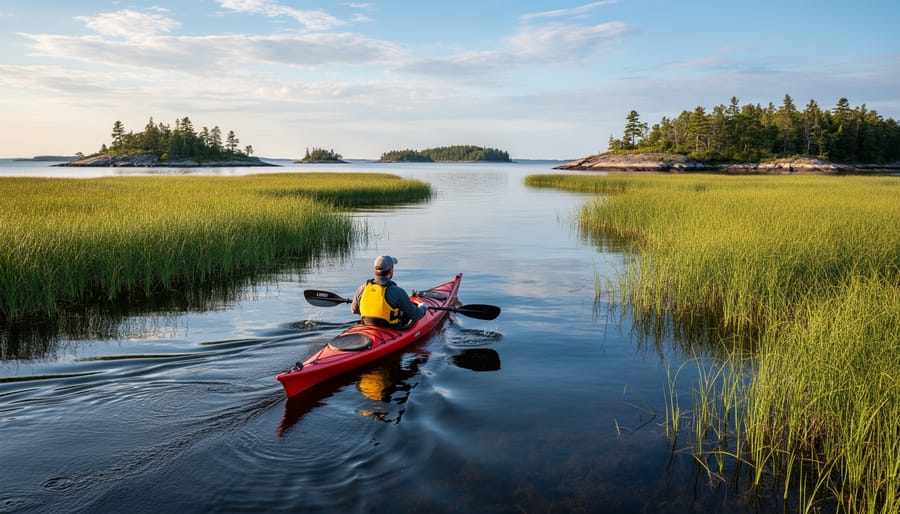
Essential Gear and Preparation for Your Camping-Kayaking Adventure
Packing for a camping trip in an archipelago setting requires balancing comfort with portability. The kayak packing challenge at Chenal Du Moine centers on fitting everything into dry bags while keeping weight distribution stable for paddling through channels and marshes.
Start with your waterproofing strategy. Every piece of gear should assume full water exposure. Invest in quality dry bags in multiple sizes (20L for clothes, 10L for electronics and valuables, 5L for food items). Double-bag anything that can’t get wet. Electronics, first aid supplies, and matches need redundant protection. A waterproof phone case with a lanyard keeps your navigation tools accessible while paddling.
For camping gear in this marsh environment, choose your tent carefully. A three-season tent with a solid rainfly and good ventilation handles Quebec’s summer humidity. Bring extra stakes since island campsites sometimes have sandy or loose soil. A compact sleeping pad with an R-value of at least 3 provides insulation from cool, damp ground near water. Pack a headlamp with fresh batteries plus a backup light source.
| Category | Essential Items | Optional Upgrades | Beginner Notes |
|---|---|---|---|
| Camping | Tent, sleeping bag, pad, headlamp | Camp chair, lantern, pillow | Test setup at home first |
| Kayaking | PFD, paddle, dry bags, bilge pump | Spray skirt, paddle float, GPS | Rent kayak on-site if available |
| Safety | First aid kit, whistle, map, sunscreen | VHF radio, flares, repair kit | File float plan with campground |
| Clothing | Quick-dry layers, rain jacket, hat | Wetsuit, neoprene gloves | Avoid cotton; bring extra socks |
Your pack list for kayaking safety should include a properly fitted personal flotation device (non-negotiable), a spare paddle secured to your kayak, and a bilge pump or large sponge. Navigation tools matter in the 103-island archipelago where channels can look similar. Carry a waterproof map of the St. Lawrence waterways, a compass, and consider a handheld GPS as backup to phone navigation.
For wildlife encounters common in these marshes (herons, beavers, turtles), bring binoculars and keep a respectful distance. A dry bag designated for trash prevents attracting animals to your campsite. Insect repellent becomes essential during Quebec summers, particularly near marshes at dawn and dusk.
Weather shifts quickly on the water. Pack a wind-resistant rain jacket even if forecasts look clear. Sun protection (high-SPF sunscreen, wide-brimmed hat, polarized sunglasses with a retainer strap) prevents miserable days on reflective water. Check marine weather forecasts before each paddle, not just general weather apps.
Wildlife and Natural Features to Watch For
The St. Lawrence archipelago’s marshes and channels create a biodiversity hotspot you’ll encounter from your first paddle stroke. Great blue herons stand motionless in the shallows during early morning hours, their silhouettes striking against mist-covered water. Belted kingfishers announce their presence with rattling calls before diving for fish, while green herons hunt along the vegetated edges of smaller channels.
Beavers are most active at dawn and dusk, often spotted swimming between lodges or working on dam repairs. Watch for their V-shaped wakes cutting across calm water. Muskrats are equally common, their smaller size and lighter-colored fur distinguishing them from their larger cousins as they munch on marsh vegetation near the banks.
Northern map turtles bask on logs throughout the warmer parts of the day, quickly sliding into the water as kayaks approach. You might also spot painted turtles and the occasional snapping turtle in deeper channels. Pike, perch, and bass inhabit these waters, creating feeding opportunities for the bird species overhead.
The interconnected marshes support diverse waterfowl, including wood ducks, mallards, and Canada geese, particularly during migration periods in spring and fall. Osprey hunt above the channels, circling before spectacular dives.
Paddle quietly and keep your movements smooth. Wildlife encounters happen most often when you move with the rhythm of the water rather than against it. Early morning and the hour before sunset offer the richest viewing opportunities, when many species are actively feeding. Bring binoculars but respect distance. Never pursue animals that move away, and give nesting areas wide berth during spring and early summer. The archipelago’s maze of channels means patient paddlers are consistently rewarded with sightings that rushed visitors miss entirely.
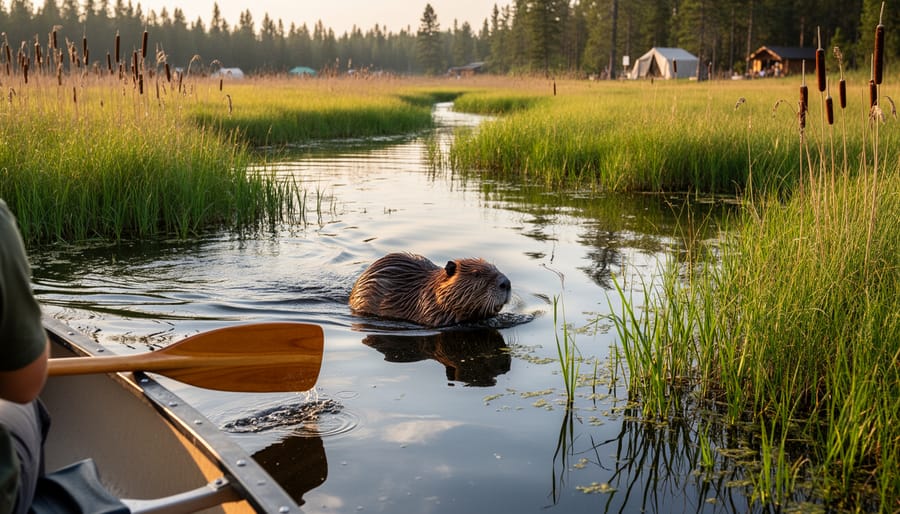
Making the Most of Your Stay: Activities Beyond Kayaking
The St. Lawrence archipelago offers far more than exceptional paddling. When you need a break from your kayak, the Sainte-Anne-de-Sorel region rewards exploration on land and water alike.
Fishing enthusiasts will find productive spots throughout the channels and marshes surrounding the campground. The same waters that make kayaking magical also support populations of pike, perch, and bass. Early morning anglers often have the quiet channels to themselves, watching herons hunt in the shallows while casting their lines.
Cycling routes wind through the agricultural landscapes and riverside communities near the campground. The flat terrain makes for easy pedaling, and quiet country roads offer glimpses of century-old farmhouses and riverside vistas. Many visitors bring bikes to explore the broader Sorel-Tracy region, which sits at the confluence of the St. Lawrence and Richelieu rivers.
Birdwatching reaches beyond what you’ll spot from your kayak. Walking trails near the marshes attract photographers and wildlife enthusiasts hoping to capture herons, kingfishers, and migrating waterfowl. The diversity of habitats across the 103 islands creates exceptional conditions for birding throughout the season.
The town of Sainte-Anne-de-Sorel itself offers small-town charm, local restaurants featuring regional cuisine, and provisions for campers who forgot something essential. After days spent navigating the archipelago, an evening exploring the local community adds another dimension to your St. Lawrence adventure.
Camping Chenal Du Moine stands out as an exceptional base camp for anyone looking to explore the St. Lawrence archipelago’s 103 islands, rivers, and marshes. Whether you’re a seasoned paddler or just getting comfortable in a kayak, the privileged access this campground provides to one of Quebec’s most remarkable ecosystems creates opportunities for genuinely memorable adventures. The combination of diverse paddling routes, abundant wildlife, and the unique island landscape makes every trip different.
Planning ahead is essential for securing your spot during 2026’s peak season. Contact the campground directly for current availability, reservation procedures, and any specific requirements for your visit. They’ll provide the most accurate information about booking windows and what to expect when you arrive.
If you’re exploring other Quebec paddling destinations, camping Lac des Pins offers a completely different but equally rewarding water-based experience worth considering for future trips.
The channels, marshes, and islands of Chenal Du Moine are waiting. With proper preparation and respect for this delicate environment, you’re in for a safe, enriching adventure that captures what makes Quebec’s waterways special.