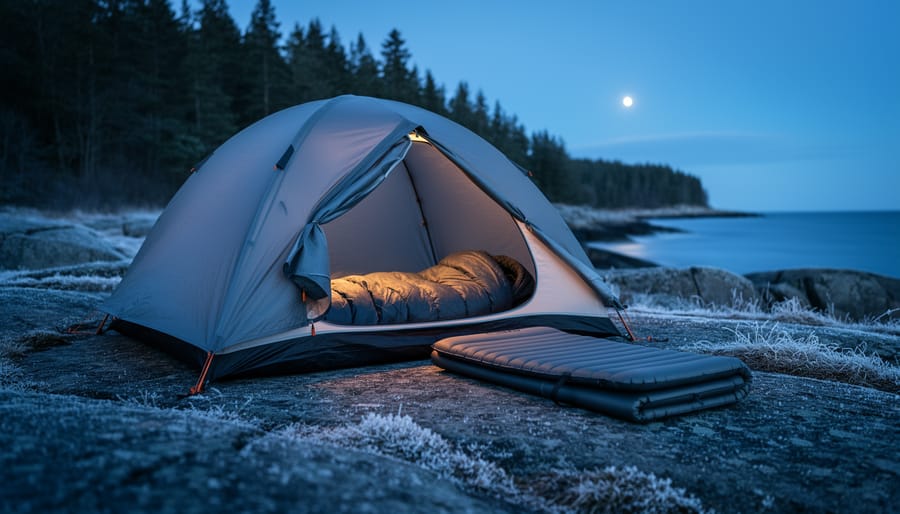
Why Your Hiking Sleep Depends on the Right Sleeping Pad
A cold night on the trail can turn an unforgettable adventure into a miserable ordeal, and your sleeping pad is the only barrier between you and heat-draining ground that pulls warmth from your body faster than any wind chill. Whether you’re preparing for a multi-day trek along iceberg-dotted coastal trails in Newfoundland or planning a backcountry camping trip through bear country in the Rockies, the right sleeping pad determines whether you wake refreshed or stiff, sore, and dangerously cold.
The sleeping pad market in 2026 offers unprecedented options, from featherlight inflatable models weighing under 12 ounces to insulated foam pads built for winter camping. But this variety creates confusion. R-value ratings, packed weight, durability claims, and price points ranging from $30 to over $250 leave many hikers paralyzed by choice or, worse, purchasing the wrong pad for their needs.
Understanding what separates a genuinely comfortable, reliable sleeping pad from marketing hype requires looking beyond brand names. Temperature ratings matter far more than many realize. A pad with an R-value of 2.0 might work fine for summer trips in the Grand Canyon but will leave you shivering on spring shoulder-season hikes when wildlife emerges from hibernation and overnight temperatures still drop below freezing.
This guide cuts through the confusion by examining the core features that actually impact your sleep quality and safety, comparing real products available now, and matching specific pads to different hiking scenarios across North American terrain.
What Makes a Hiking Sleeping Pad Essential
When you settle into your tent after a long day on the trail, what separates you from the cold, uneven ground is more than a luxury, it’s a critical piece of gear that determines whether you wake up refreshed or miserable. A quality sleeping pad serves three vital functions that directly impact your safety and comfort in the backcountry.
First, insulation from the ground is non-negotiable for wilderness camping. Even in summer, the earth beneath you can drain body heat twenty times faster than still air. Your sleeping bag compresses under your weight, losing most of its insulating ability on the bottom side. The sleeping pad fills that gap, creating a thermal barrier that keeps you warm. This matters whether you’re camping on iceberg trails in colder northern regions or in lower-elevation forests where overnight temperatures still drop significantly.
Second, cushioning transforms rocky, root-riddled terrain into tolerable sleeping surfaces. Anyone who has tried to sleep directly on hard ground knows that even small stones become painful pressure points after a few hours. A good pad distributes your weight evenly, protecting your hips, shoulders, and spine from the terrain beneath. This cushioning becomes crucial on multi-day expeditions where cumulative fatigue affects both physical performance and decision-making skills.
Third, temperature regulation works both ways. While insulation prevents heat loss in cold conditions, proper airflow in warmer weather helps you stay comfortable without overheating. The pad creates a stable microclimate between your body and the ground, adapting to seasonal variations across North America’s diverse landscapes.
For beginners tackling their first overnight hike and seasoned backpackers pushing into challenging wildlife territories alike, the sleeping pad represents one third of your sleep system alongside tent and sleeping bag. Skimp here, and the entire system fails, no matter how expensive your other gear. The right pad means you recover properly, maintain energy reserves, and stay safe enough to enjoy the adventure you came for.
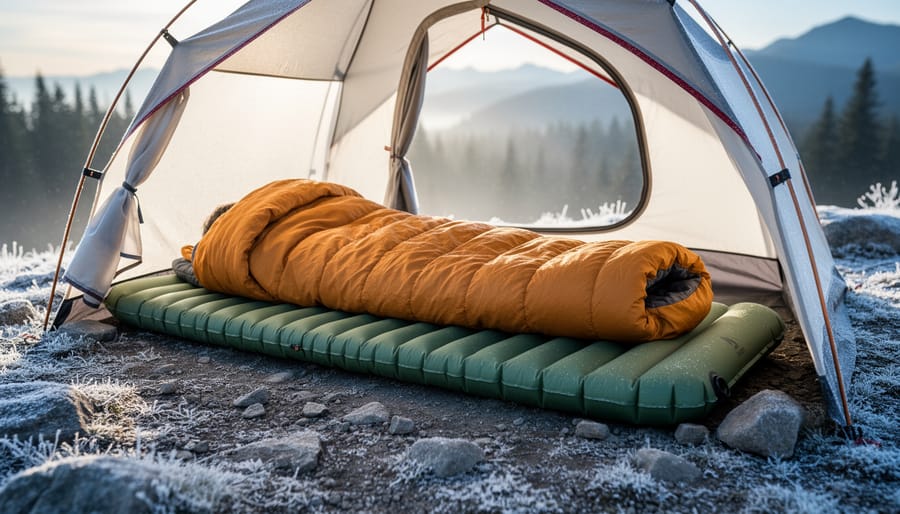
Key Features That Define a Quality Hiking Sleeping Pad
R-Value and Insulation Performance
The R-value is your sleeping pad’s warmth rating, measured on a scale where higher numbers mean better insulation against cold ground. This single number determines whether you’ll sleep comfortably or shiver through the night. R-value reflects insulation performance through standardized testing, though real-world conditions can vary.
| R-Value Range | Season | Temperature Conditions |
|---|---|---|
| 1.0-2.9 | Summer | Warm nights above 50°F |
| 3.0-4.9 | Three-Season | Spring through fall, down to 30°F |
| 5.0+ | Winter | Cold conditions below 30°F |
For serious backpackers chasing warmth without weight penalties, the Exped Ultra 6.5R leads the pack with an R-value of 6.9 at just 12.5 ounces for the medium mummy size. That warmth-to-weight ratio makes it exceptional for high-altitude camps and iceberg trail expeditions where cold ground can sap your energy overnight. At $200, you’re paying for engineering that keeps you warm in harsh environments without dragging down your pack weight.
Contrast that with the Klymit Static V Base, which lacks insulation entirely and works only for summer trips when ground temperatures stay mild. It’s lighter on your wallet and your back, but it’ll leave you cold the moment temperatures drop. Choose your R-value based on where you’ll actually hike, not where you wish you were going. Some reviewers note that Exped’s R-value seems optimistic compared to field performance, so build in a margin if you run cold or camp in exposed areas where wildlife roams and wind cuts through.
Weight and Packability
Every ounce matters when you’re five miles into a backcountry trail with a full pack digging into your shoulders. For backpackers, weight determines how far you can push each day, how your body feels by evening, and whether you’re energized or exhausted when you finally reach that mountain vista. Car campers, on the other hand, can afford to prioritize comfort over grams since they’re parking steps from their tent.
Ultralight pads like the Exped Ultra 6.5R at 12.5 ounces represent the cutting edge of weight reduction without sacrificing warmth. That’s lighter than a water bottle, yet it delivers serious insulation for cold-weather hikes. The Therm-a-Rest Z Lite Sol, weighing 14 ounces, offers another lightweight option that never fails because it’s solid foam with no air chambers to puncture.
The trade-off becomes real when you compare these to heavier alternatives. A plush, three-inch-thick air pad might weigh 24 ounces or more and feel like sleeping on a cloud, but those extra ten ounces add up when you’re also carrying food, water, and safety gear through rugged terrain. Backpackers covering serious mileage typically target total sleeping system weights under two pounds, while weekend warriors on easier trails can afford a bit more cushion.
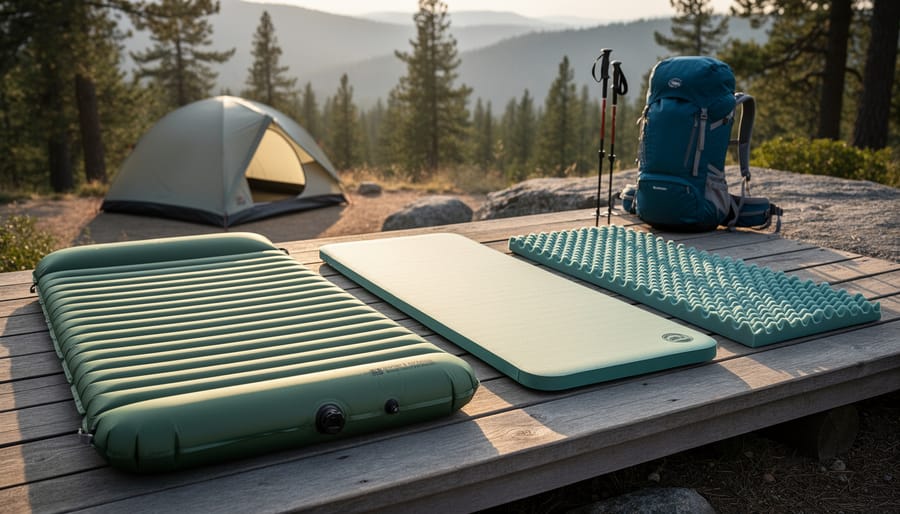
Packability matters almost as much as weight. Air pads compress into stuff sacks smaller than a Nalgene bottle, freeing space inside your pack for essentials. Foam pads like the Z Lite Sol fold accordion-style and strap externally, which works fine but takes up visible real estate on your pack’s exterior.
Durability and Material Construction
Your sleeping pad’s construction determines whether it survives a season or fails you on night two of a remote trip. Three main designs dominate the market: air pads use inflatable chambers for lightweight packability, foam pads rely on closed-cell material that can’t puncture, and self-inflating pads combine open-cell foam with air for a balance of comfort and convenience.
Air pads like the Exped Ultra 6.5R and Nemo Tensor All-Season deliver impressive warmth-to-weight ratios but demand careful handling. A sharp rock or curious raccoon can end your sleep comfort instantly, so inspect your campsite and carry a repair kit. The trade-off is worth it for serious backpackers who need to shave ounces without sacrificing insulation.
Foam pads, including the Therm-a-Rest Z Lite Sol, are virtually indestructible. You can toss them onto glacial moraine, thorny brush, or rough ground without concern. They’re bulkier and less comfortable, but that reliability matters when you’re days from civilization or camping near wildlife corridors where a bear might wander through your gear.
Self-inflating pads split the difference, offering decent durability with better comfort than pure foam. They’re heavier than air pads but more packable than closed-cell options, making them solid choices for car camping or shorter trips where weight isn’t critical.
Comfort and Sleeping Position
Your sleeping position and movement habits matter more than you might think when choosing a hiking pad. Side sleepers need at least three inches of loft to prevent hip and shoulder pressure points from pushing through to the ground, while back sleepers can often get away with two to two-and-a-half inches. If you toss and turn throughout the night, that extra thickness becomes crucial since you’ll be shifting onto different body parts all night.
Pad shape directly affects how well you sleep. Mummy-shaped pads taper toward the feet, shaving precious ounces while still supporting your torso and shoulders where you need it most. Models like the Exped Ultra 6.5R come in mummy configurations that balance weight savings with adequate width for movement. Rectangular pads offer more room to sprawl and shift positions without rolling off the edge, but you’ll pay for that freedom with added weight and bulk in your pack. Some hikers find the tapered mummy shape restrictive, especially if they sleep on their stomach or change positions frequently.
Width matters too. A standard 20-inch pad works for most back and side sleepers who don’t move much, but restless sleepers or those with broader shoulders often prefer 25-inch options to avoid midnight tumbles onto the tent floor.
Choosing the Right Sleeping Pad for Your Hiking Adventures
For Weekend Warriors and Beginner Hikers
If you’re just starting to explore overnight hiking or heading out for weekend trips on well-maintained trails, your sleeping pad choice should balance comfort with simplicity. You don’t need to obsess over every ounce or spend a fortune, but you do want a pad that’ll actually let you wake up refreshed, not sore and regretful.
A good starter pad strikes a middle ground. Look for something with decent insulation (an R-value around 2-3 works for three-season use on most established trails), enough thickness to cushion your hips and shoulders, and a straightforward setup. Self-inflating pads are beginner-friendly because they partly inflate on their own, saving you from huffing and puffing after a long day on the trail. Air pads offer lighter weight and pack smaller, though they require manual inflation.
Weight matters less for weekend trips since you’re not grinding out multi-day expeditions. A pad in the 1-2 pound range gives you comfort without turning your pack into a torture device. Focus instead on getting the basics right: pair your pad with other camping essentials and solid trail food ideas and you’ll set yourself up for success. Test your pad at home first, practice inflation and packing, and you’ll build confidence before hitting those scenic North American trails.
For Serious Backpackers and Multi-Day Expeditions
Serious backpackers tackling multi-day expeditions need pads that balance warmth, weight, and durability without compromise. Routes like the Long Range Traverse or North Coast Trail demand gear that performs night after night across varied terrain, from rocky highlands to coastal forests where wildlife may be active.
For these adventures, prioritize an R-value of 4.0 or higher to handle unpredictable temperature swings at elevation or near water. The Exped Ultra 6.5R offers exceptional warmth at just 12.5 ounces, making it ideal when every ounce counts but cold nights are likely. Alternatively, the Nemo Tensor All-Season Ultralight Insulated delivers solid insulation while packing down small for tight backpack configurations.
Durability matters on extended trips where punctures mean miserable nights. Air pads with ripstop fabrics withstand abrasion better than bargain options, and carrying a lightweight repair kit becomes non-negotiable. Test your inflation method at home so you can set up quickly after exhausting trail days. Your pad is recovery equipment, not luxury, so invest in proven performance that won’t leave you shivering when you’re days from the trailhead.
For Cold-Weather and High-Altitude Adventures
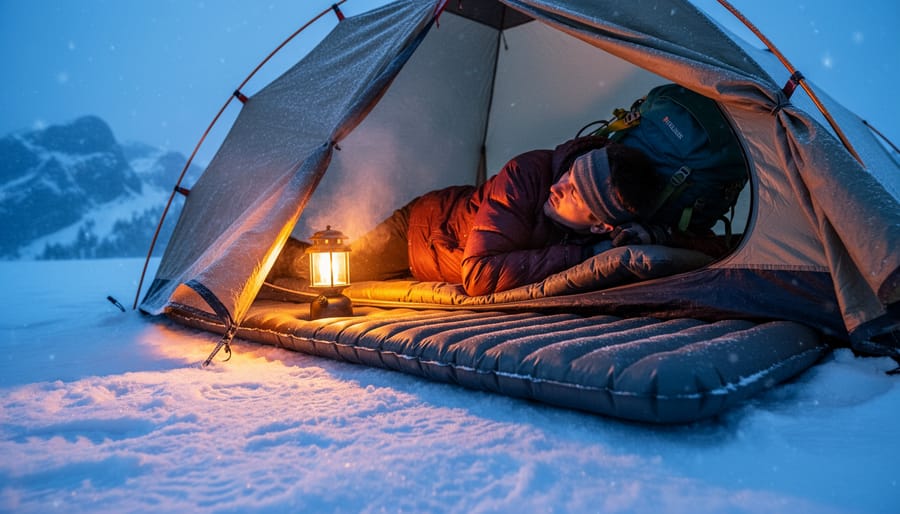
When you’re venturing into mountainous terrain or environments with icebergs and cold conditions, insulation becomes your sleeping pad’s most critical feature. Look for an R-value of at least 5.0 for three-season alpine trips, and 6.0 or higher for winter camping or extreme cold. The Exped Ultra 6.5R stands out here with its R-value of 6.9 while weighing just 12.5 ounces, offering warmth without the bulk that slows you down on steep ascents. Pair your insulated pad with a closed-cell foam option like the Therm-a-Rest Z Lite Sol as extra ground insulation for added protection in harsh environments. Remember that cold ground drains body heat faster than cold air, so skimping on pad insulation compromises both comfort and safety when temperatures drop.
Top Hiking Sleeping Pads Worth Considering in 2026
After understanding the features that make a quality hiking sleeping pad, here’s how top 2026 models stack up for different hiking scenarios. These selections represent tested options across the warmth, weight, and budget spectrum, helping you match a pad to your specific adventures.
| Model | Weight | R-Value | Price | Best For |
|---|---|---|---|---|
| Exped Ultra 6.5R | 12.5 oz | 6.9 | $200 | Cold weather, year-round |
| Nemo Tensor All-Season | Ultralight | All-season rated | Mid-range | Three-season versatility |
| Therm-a-Rest Z Lite Sol | 14 oz | Moderate | Budget-friendly | Reliability, no punctures |
| Klymit Static V Base | Lightweight | Minimal | Entry-level | Summer trips only |
The Exped Ultra 6.5R stands out with a category-leading warmth-to-weight ratio, delivering an R-value of 6.9 at just 12.5 ounces for the medium mummy version. At $200, it’s a serious investment that pays dividends when you’re camping near iceberg trails or in high-altitude environments where nighttime temperatures plummet. Available in both mummy and rectangular shapes with various width options, it suits hikers who refuse to compromise between winter warmth and ultralight performance.
For three-season hikers who want versatility without extreme cold-weather specs, the Nemo Tensor All-Season Ultralight Insulated balances insulation, packability, and comfort. It compresses small in your pack yet provides reliable cushioning and temperature regulation across spring through fall conditions, making it ideal for multi-day expeditions where weather can shift.
The Therm-a-Rest Z Lite Sol at 14 ounces offers a different value proposition: bulletproof reliability. This closed-cell foam pad can’t puncture, requires zero inflation, and doubles as a sitting pad during breaks. It’s perfect for beginners learning trail skills or experienced hikers tackling rocky terrain where sharp stones and wildlife encounters make durability paramount. While it sacrifices some comfort compared to air pads, you’ll never worry about a midnight deflation crisis.
Budget-conscious summer hikers gravitate toward the Klymit Static V Base. Its minimal insulation limits use to warm-weather trips, but if you’re exploring established trails during peak season and prioritizing low cost over year-round capability, it gets you on the trail without breaking the bank. Just recognize its limitations before planning shoulder-season adventures or mountainous routes where temperatures drop unexpectedly.
Caring for Your Sleeping Pad on the Trail
Your sleeping pad can handle tough conditions, but a little care goes a long way. Start by choosing your campsite wisely, clear away sharp rocks, sticks, and pinecones before rolling out your pad. Even durable materials appreciate a buffer, so if you’re in particularly rocky terrain or areas with thorny vegetation, lay down a ground cloth or use your sleeping bag’s stuff sack as a protective layer under key pressure points.
Inflation matters more than you’d think. For air pads, avoid over-inflating in cold weather since the air inside will expand as it warms. Use the manufacturer’s recommended method, whether that’s breath inflation, a pump sack, or an integrated valve system, and always close valves tightly before settling in for the night. In the morning, open the valve and gently press out air rather than forcing it, which stresses seams unnecessarily.
Deflation gets easier with a simple trick: start at the opposite end from the valve and slowly roll toward it, squeezing air out as you go. This prevents trapped air pockets that make packing awkward and protects internal baffles from compression damage.
Pack a lightweight repair kit and know how to use it before you need it. Most kits include patches and adhesive that work on trail-side punctures. For foam pads like the Therm-a-Rest Z Lite Sol, tears can be temporarily fixed with duct tape until you’re home. With air pads, locate leaks by listening for hissing or submerging sections in water if you’re near a stream.
Storage at home matters too. Keep your pad loosely rolled or flat in a dry space, never compressed long-term, which degrades materials and insulation. After trips through wildlife country or muddy trails, wipe down your pad before storing to prevent mold and material breakdown.
Your hiking sleeping pad isn’t just another piece of gear to check off a list. It’s the foundation of every sunrise you’ll wake up to see, every trail you’ll conquer with energy to spare, and every memory you’ll make under North America’s vast skies. Whether you’re paddling to remote campsites where icebergs drift past your shore or hiking through valleys where wildlife roams freely, quality rest transforms good adventures into extraordinary ones.
Investing in the right pad means investing in yourself. It means waking refreshed on day three of a backcountry expedition instead of dragging through exhaustion. It means staying warm on alpine ridges and comfortable on rocky ground. Most importantly, it means exploring with confidence, knowing your body gets the recovery it needs to fully experience everything from coastal fog banks to mountain summits.
So choose wisely, pack smart, and sleep well. The trails are waiting, and you deserve to meet them at your best.