Category: Canadian Adventure Tours

Guided kayaking and hiking trip guides, itineraries, and destination advice across Canada’s coasts, lakes, and national parks, including marquee routes like Gros Morne. Built for safe, expert-led experiences for all skill levels.

Your Complete Booking Strategy for Camping Chenal Du Moine in 2026

Camping Chenal du Moine sits on the doorstep of one of Quebec’s most spectacular paddling destinations: the 103-island archipelago of Parc national des Îles-de-Boucherville. This shoreline campground has become the launchpad of choice for kayakers eager to explore sheltered channels where great blue herons hunt along grassy banks and the St. Lawrence River reveals its quieter side.

Securing a spot here requires planning. The campground’s limited waterfront sites book out weeks ahead during peak season, especially for weekend arrivals. Log into the Sépaq reservation system exactly four months before your target date (bookings open at 8:00 AM) to claim prime sites. Mid-week arrivals in June or September offer better availability and calmer waters for paddling.

What sets this location apart is immediate water access without the logistical headaches. Launch your kayak steps from your tent and within minutes you’re threading through channels where the current slackens and wildlife thrives. The archipelago’s protected waters make it ideal for paddlers still building confidence, while experienced kayakers can venture toward the main river channel where conditions demand stronger skills.

The campground itself is modest but functional. Sites include fire pits and picnic tables, with clean facilities nearby. You’re not here for luxury camping. You’re here because dawn on the water, watching mist lift off channels as turtles surface and ospreys dive, creates moments no resort can replicate.

Pack your boat and gear ready to go. Time on the water is the currency that matters here.

Why Camping Chenal Du Moine Is Worth Planning Ahead For

Camping Chenal Du Moine sits at the edge of one of North America’s most remarkable freshwater ecosystems. With privileged access to the St. Lawrence archipelago’s 103 islands, rivers, and marshes, this campground serves as your gateway to a paddling paradise that few other locations can match.

The archipelago creates a labyrinth of sheltered channels and open waterways that draw kayakers from across the continent. Unlike exposed coastal paddling or simple river routes, these St. Lawrence archipelago islands offer protected exploration through diverse terrain where every bend reveals new scenery. You’ll glide past reed-fringed islands, navigate calm channels between marsh grasses, and discover hidden inlets that feel completely removed from civilization.

The wildlife viewing here rivals dedicated nature reserves. Great blue herons stalk the shallows at dawn, their prehistoric silhouettes frozen against the morning mist. Beavers construct their lodges in quiet backwaters, and if you paddle silently through the channels, you’ll spot painted turtles basking on half-submerged logs. Kingfishers patrol overhead, diving suddenly for fish, while muskrats leave V-shaped wakes across glassy water. The marshes teem with life during spring and fall migrations, making the area a magnet for birders as much as paddlers.

This rich environment draws visitors from May through October, and prime summer weekends fill quickly. The campground’s direct water access means you can launch at sunrise and explore for hours without trailering to distant put-ins. That convenience, combined with the archipelago’s protected waters suitable for beginners yet engaging enough for experienced paddlers, makes Chenal Du Moine especially popular among multi-day kayaking groups and families seeking accessible adventure.

Securing your preferred dates means planning ahead. The combination of limited campsites and exceptional paddling access creates competition you won’t face at ordinary campgrounds.

What You Need to Know Before Booking
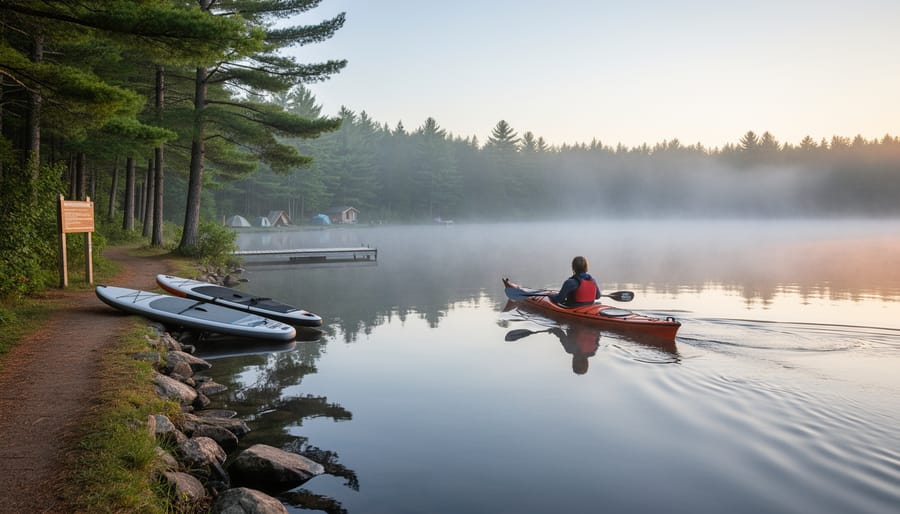
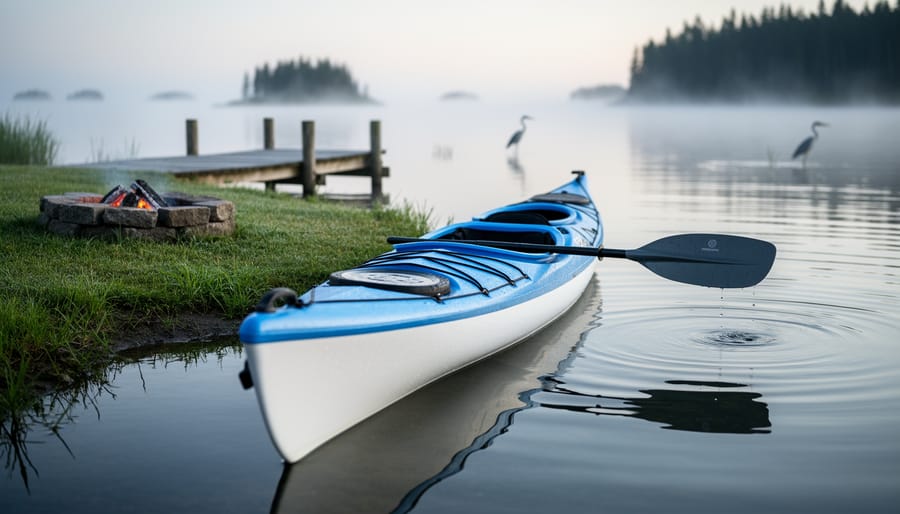
Kayak near a wooden dock at Camping Chenal Du Moine with campers preparing to paddle
A kayak launch scene at Camping Chenal Du Moine sets the tone for an archipelago paddling adventure from the campsite’s shoreline.

Access Requirements and Location Details

Camping Chenal Du Moine sits in Sainte-Anne-de-Sorel, Quebec, roughly 90 minutes northeast of Montreal along Highway 40 and Route 132. The drive takes you through charming riverside towns before reaching the archipelago region. You’ll find the campground well-signed from the main road, though GPS coordinates ensure you won’t miss the turn during your first visit.

Parking is straightforward once you arrive. Most campsites accommodate vehicles directly at your spot, while designated overflow areas handle peak-season crowds and day-use kayakers launching from the facility. The flat terrain makes navigating with trailers and RVs manageable for most drivers.

Seasonal access typically runs from late spring through early fall, when water levels and weather conditions support safe kayaking through the marshes and channels. Ice and flooding can limit access during winter and early spring months. Contact the campground before finalizing your plans, especially if you’re booking shoulder-season dates in May or late September. They’ll confirm current conditions and any temporary restrictions affecting vehicle access or water routes through the 103-island archipelago system.

Best Times to Visit for Kayaking

The St. Lawrence archipelago reveals different personalities throughout the paddling season, each offering distinct rewards for kayakers. Late May through mid-June delivers exceptional birding as herons, kingfishers, and waterfowl establish nesting territories across the marshes. Water levels run high from spring runoff, creating swift currents through the channels that demand confident boat handling but open access to smaller waterways that become shallow later. Mornings are cool, mosquitoes are active, and campground crowds remain light.

July and August bring warm, stable weather ideal for overnight kayak camping among the islands. Water temperatures climb into the comfortable range for accidental swims, and long daylight hours let you cover serious distance through the 103-island maze. Beaver and muskrat activity peaks during dawn and dusk paddles. The trade-off: these months draw the highest campground occupancy, so securing your site requires advance planning. Afternoon thunderstorms build quickly over the river valley, making weather awareness essential.

September offers a sweet spot for experienced paddlers. Crowds thin dramatically after Labour Day while water conditions remain excellent through the month. Migratory birds stage through the marshes, and autumn colors frame your routes by mid-month. Water levels drop, exposing sandbars that create new hazards but also primitive camping spots. Nights turn cold, but daytime paddling stays pleasant with fewer insects and crystalline light for photography.

How to Secure Your Campsite

Securing a campsite at Chenal Du Moine requires a proactive approach, especially if you’re planning to visit during the prime kayaking months of June through August. The campground operates on a reservation system, and understanding how to navigate the booking process can make the difference between scoring your ideal dates and missing out on this archipelago gateway.

Your first step should be direct contact with the campground itself. While many Quebec campgrounds have migrated to online booking platforms, calling Camping Chenal Du Moine directly remains the most reliable way to get current information about availability, reservation windows, and any seasonal booking restrictions. Having a conversation with staff also lets you ask specific questions about kayak storage, launch access, and site selection based on your paddling plans.

  1. Check the campground’s website or call ahead to understand their reservation opening dates for the 2026 season, as many Quebec campgrounds release their calendars several months in advance.
  2. Prepare a list of preferred date ranges and backup options, since prime waterfront or easily accessible sites fill quickly during peak season.
  3. Contact the campground by phone or through their official channels with your dates ready, and be prepared to discuss your specific needs, such as kayak launch proximity or group site requirements.
  4. Confirm all reservation details in writing if possible, including your arrival date, site number or type, total cost, and cancellation policies.
  5. Set a calendar reminder to follow up a week before your arrival to reconfirm your reservation and ask about current water conditions for kayaking.

For weekend stays between late May and early September, booking at least four to six weeks in advance gives you the best shot at availability. Holiday weekends disappear even faster. If you’re flexible with your dates, weekday arrivals often have better availability and give you a quieter experience on the water as you explore the 103-island ecosystem.

Don’t rely solely on third-party booking sites. These platforms sometimes show outdated availability or lack the detailed site information you need for planning kayaking access. Going directly to the source ensures you get accurate, current information and can ask nuanced questions about which sites work best for launching into the channels and marshes.

Kayaking Launch Points and Water Access from the Campground

Navigating the 103-Island Archipelago

The 103-island archipelago sprawls across the St. Lawrence in a maze of channels, backwaters, and marsh-lined passages that reward methodical planning. Before your first paddle stroke, study the water levels and current flow patterns, which shift dramatically between spring runoff and late-summer lows. Local paddlers recommend starting with shorter loops close to the campground while you learn how channels interconnect, then gradually extending your range as the landscape’s logic becomes clear.

Navigation here differs from open-water paddling. The channels twist through dense vegetation, and what appears to be a through-route on a map may dead-end in shallow marsh. Carry a waterproof chart or GPS device, mark your launch point clearly, and note distinctive features like fallen trees or distinctive rock formations to orient yourself on the return. The marsh environment creates natural wind blocks but also limits sightlines, so tracking your progress becomes essential.

Consider guided kayaking for your first day, particularly if you’re unfamiliar with river-marsh systems. Experienced guides know which channels hold deeper water, where currents accelerate around island tips, and which routes offer the richest wildlife encounters without requiring advanced paddling skills.

Safety in the archipelago means respecting changing conditions. Afternoon winds funnel through wider channels and can create choppy water that challenges stability. Always file a float plan with someone at the campground, carry a whistle and basic repair kit, and avoid paddling alone in unfamiliar sections. The islands provide abundant landing spots for breaks, but verify you’re on public land before going ashore. This ecosystem’s complexity makes every paddle unique, but proper preparation transforms potential confusion into genuine exploration.
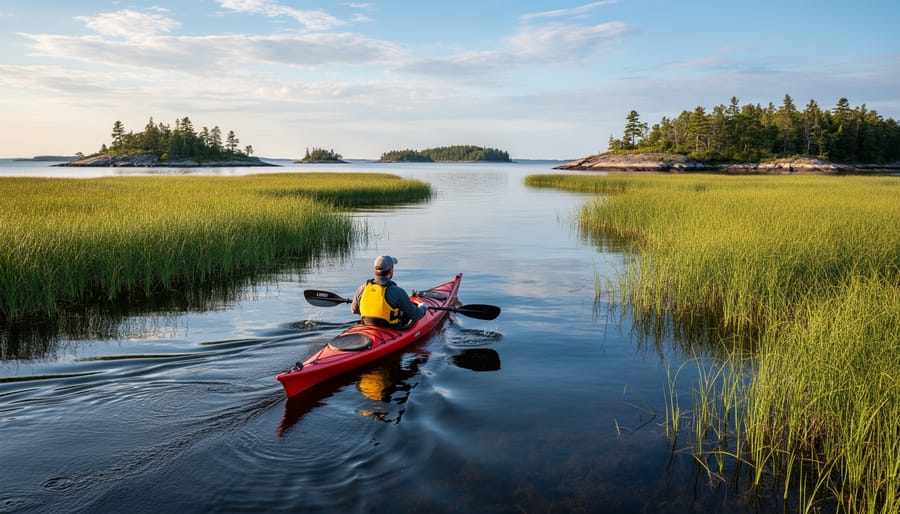
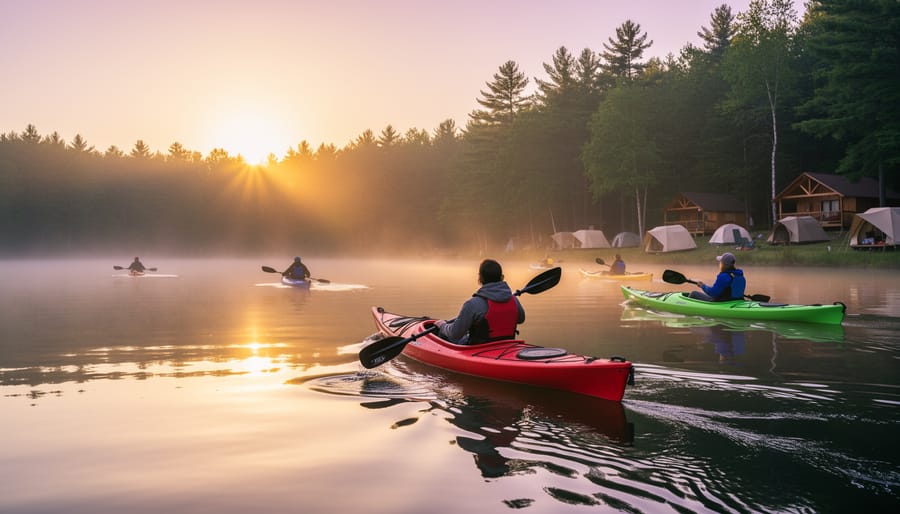
Kayaker paddling through calm marsh channels near the St. Lawrence archipelago at sunrise
Paddling through the marsh channels captures why Camping Chenal Du Moine is such a strong base for exploring the St. Lawrence archipelago by kayak.

Essential Gear and Preparation for Your Camping-Kayaking Adventure

Packing for a camping trip in an archipelago setting requires balancing comfort with portability. The kayak packing challenge at Chenal Du Moine centers on fitting everything into dry bags while keeping weight distribution stable for paddling through channels and marshes.

Start with your waterproofing strategy. Every piece of gear should assume full water exposure. Invest in quality dry bags in multiple sizes (20L for clothes, 10L for electronics and valuables, 5L for food items). Double-bag anything that can’t get wet. Electronics, first aid supplies, and matches need redundant protection. A waterproof phone case with a lanyard keeps your navigation tools accessible while paddling.

For camping gear in this marsh environment, choose your tent carefully. A three-season tent with a solid rainfly and good ventilation handles Quebec’s summer humidity. Bring extra stakes since island campsites sometimes have sandy or loose soil. A compact sleeping pad with an R-value of at least 3 provides insulation from cool, damp ground near water. Pack a headlamp with fresh batteries plus a backup light source.

Category Essential Items Optional Upgrades Beginner Notes
Camping Tent, sleeping bag, pad, headlamp Camp chair, lantern, pillow Test setup at home first
Kayaking PFD, paddle, dry bags, bilge pump Spray skirt, paddle float, GPS Rent kayak on-site if available
Safety First aid kit, whistle, map, sunscreen VHF radio, flares, repair kit File float plan with campground
Clothing Quick-dry layers, rain jacket, hat Wetsuit, neoprene gloves Avoid cotton; bring extra socks

Your pack list for kayaking safety should include a properly fitted personal flotation device (non-negotiable), a spare paddle secured to your kayak, and a bilge pump or large sponge. Navigation tools matter in the 103-island archipelago where channels can look similar. Carry a waterproof map of the St. Lawrence waterways, a compass, and consider a handheld GPS as backup to phone navigation.

For wildlife encounters common in these marshes (herons, beavers, turtles), bring binoculars and keep a respectful distance. A dry bag designated for trash prevents attracting animals to your campsite. Insect repellent becomes essential during Quebec summers, particularly near marshes at dawn and dusk.

Weather shifts quickly on the water. Pack a wind-resistant rain jacket even if forecasts look clear. Sun protection (high-SPF sunscreen, wide-brimmed hat, polarized sunglasses with a retainer strap) prevents miserable days on reflective water. Check marine weather forecasts before each paddle, not just general weather apps.

Wildlife and Natural Features to Watch For

The St. Lawrence archipelago’s marshes and channels create a biodiversity hotspot you’ll encounter from your first paddle stroke. Great blue herons stand motionless in the shallows during early morning hours, their silhouettes striking against mist-covered water. Belted kingfishers announce their presence with rattling calls before diving for fish, while green herons hunt along the vegetated edges of smaller channels.

Beavers are most active at dawn and dusk, often spotted swimming between lodges or working on dam repairs. Watch for their V-shaped wakes cutting across calm water. Muskrats are equally common, their smaller size and lighter-colored fur distinguishing them from their larger cousins as they munch on marsh vegetation near the banks.

Northern map turtles bask on logs throughout the warmer parts of the day, quickly sliding into the water as kayaks approach. You might also spot painted turtles and the occasional snapping turtle in deeper channels. Pike, perch, and bass inhabit these waters, creating feeding opportunities for the bird species overhead.

The interconnected marshes support diverse waterfowl, including wood ducks, mallards, and Canada geese, particularly during migration periods in spring and fall. Osprey hunt above the channels, circling before spectacular dives.

Paddle quietly and keep your movements smooth. Wildlife encounters happen most often when you move with the rhythm of the water rather than against it. Early morning and the hour before sunset offer the richest viewing opportunities, when many species are actively feeding. Bring binoculars but respect distance. Never pursue animals that move away, and give nesting areas wide berth during spring and early summer. The archipelago’s maze of channels means patient paddlers are consistently rewarded with sightings that rushed visitors miss entirely.
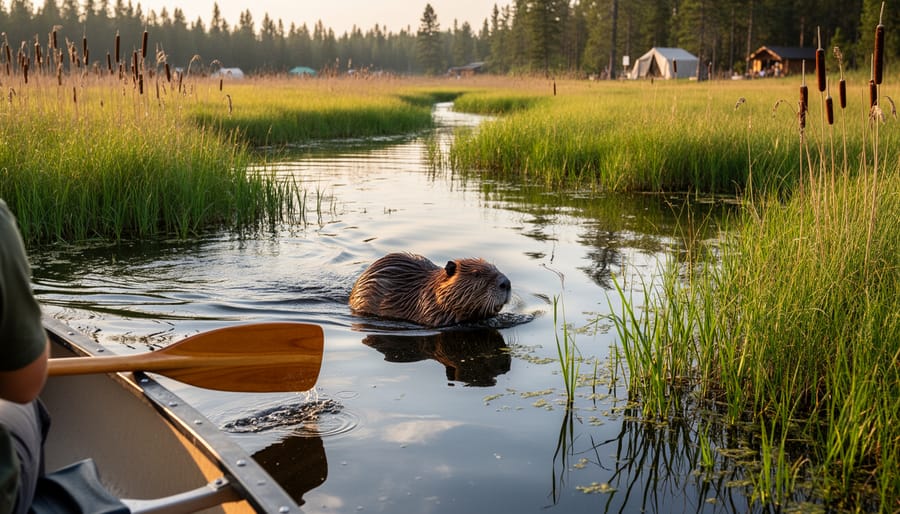
Beaver swimming in a marsh channel with rippling water and reeds in the background
A beaver sighting illustrates the rich wildlife habitat you may encounter while paddling near the campground’s marshes and channels.

Making the Most of Your Stay: Activities Beyond Kayaking

The St. Lawrence archipelago offers far more than exceptional paddling. When you need a break from your kayak, the Sainte-Anne-de-Sorel region rewards exploration on land and water alike.

Fishing enthusiasts will find productive spots throughout the channels and marshes surrounding the campground. The same waters that make kayaking magical also support populations of pike, perch, and bass. Early morning anglers often have the quiet channels to themselves, watching herons hunt in the shallows while casting their lines.

Cycling routes wind through the agricultural landscapes and riverside communities near the campground. The flat terrain makes for easy pedaling, and quiet country roads offer glimpses of century-old farmhouses and riverside vistas. Many visitors bring bikes to explore the broader Sorel-Tracy region, which sits at the confluence of the St. Lawrence and Richelieu rivers.

Birdwatching reaches beyond what you’ll spot from your kayak. Walking trails near the marshes attract photographers and wildlife enthusiasts hoping to capture herons, kingfishers, and migrating waterfowl. The diversity of habitats across the 103 islands creates exceptional conditions for birding throughout the season.

The town of Sainte-Anne-de-Sorel itself offers small-town charm, local restaurants featuring regional cuisine, and provisions for campers who forgot something essential. After days spent navigating the archipelago, an evening exploring the local community adds another dimension to your St. Lawrence adventure.

Camping Chenal Du Moine stands out as an exceptional base camp for anyone looking to explore the St. Lawrence archipelago’s 103 islands, rivers, and marshes. Whether you’re a seasoned paddler or just getting comfortable in a kayak, the privileged access this campground provides to one of Quebec’s most remarkable ecosystems creates opportunities for genuinely memorable adventures. The combination of diverse paddling routes, abundant wildlife, and the unique island landscape makes every trip different.

Planning ahead is essential for securing your spot during 2026’s peak season. Contact the campground directly for current availability, reservation procedures, and any specific requirements for your visit. They’ll provide the most accurate information about booking windows and what to expect when you arrive.

If you’re exploring other Quebec paddling destinations, camping Lac des Pins offers a completely different but equally rewarding water-based experience worth considering for future trips.

The channels, marshes, and islands of Chenal Du Moine are waiting. With proper preparation and respect for this delicate environment, you’re in for a safe, enriching adventure that captures what makes Quebec’s waterways special.
Why Camping Plein Bois Is Drawing Adventure Seekers to Quebec’s Wilderness

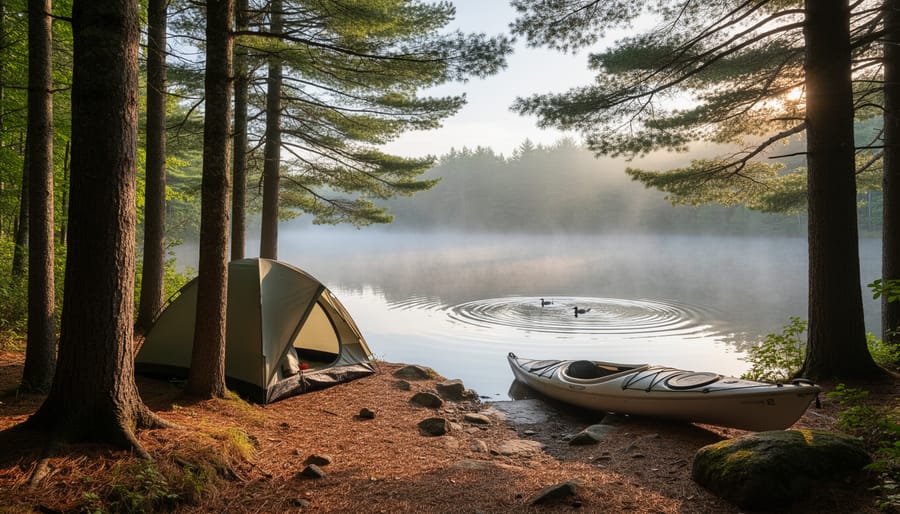
Picture yourself paddling across a mirror-calm lake at dawn, your kayak slicing through morning mist as loons call in the distance, then returning to a woodland campsite where towering pines filter golden afternoon light. Camping Plein Bois delivers this exact experience in Quebec’s Laurentian region, combining immersive forest camping with direct access to some of the province’s most rewarding paddling and hiking terrain.

This established woodland campground exemplifies what adventurers mean when they talk about true plein bois camping: sleeping beneath a canopy of mature forest, waking to birdsong instead of RV generators, and spending days exploring backcountry trails and waterways that feel worlds away from civilization. The concept has gained serious traction among outdoor enthusiasts who want more than a parking spot for their tent.

What sets Camping Plein Bois apart is its genuine wilderness character paired with practical amenities that make multi-day adventures accessible. You’re not roughing it without resources, but you’re definitely not glamping either. The location offers that sweet spot where families can introduce kids to outdoor skills while experienced paddlers and hikers can push into more challenging terrain.

Whether you’re planning your first overnight kayak trip or seeking a base camp for exploring Quebec’s legendary trail systems, understanding what plein bois camping offers will transform how you experience the outdoors. This isn’t about checking into nature for a night. It’s about fully inhabiting wild spaces, learning to read weather patterns, spotting wildlife on their terms, and discovering what you’re capable of when you step beyond day-trip comfort zones.

What Makes Plein Bois Camping Different from Traditional Campgrounds

Traditional campgrounds sprawl across open fields where campers park side-by-side with clear views of their neighbors, but plein bois camping inverts that model entirely. The term translates to “full woodland” camping, and it prioritizes deep forest immersion where mature trees form the canopy overhead and natural undergrowth creates privacy between sites. Instead of maximizing visibility and accessibility, this approach maximizes the feeling of wilderness solitude.

The philosophical difference centers on what outdoor enthusiasts actually seek when they head into nature. Open-field camping optimizes convenience, flat terrain for easy RV parking, wide roads for large vehicles, and minimal tree roots to navigate. Plein bois camping optimizes atmosphere, accepting narrower access roads and uneven ground in exchange for the sound of wind through leaves and dappled sunlight filtering through branches. You wake to birdsong rather than the hum of neighboring generators.

Forest Canopy Coverage
The percentage of overhead space filled by mature tree branches, creating shade and the signature woodland feeling. Plein bois sites typically maintain 70-90% canopy coverage compared to 0-30% in traditional open campgrounds.
Site Density in Woodland Settings
The number of campsites per acre when working within existing forest structure. Plein bois camping accepts lower density (typically 5-8 sites per acre) to preserve natural spacing between trees, while open-field designs often pack 12-15 sites per acre.
Natural Privacy Buffers
The use of existing vegetation, shrubs, saplings, and undergrowth, to visually separate camping sites rather than relying on artificial barriers or open spacing.

Camping Plein Bois demonstrates this philosophy at scale with more than 450 sites spread across a 25-hectare wooded site between Rigaud and St-Lazare. That translates to roughly 60 acres of mature woodland where each site nestles among established trees rather than sitting exposed in a grid. The density allows for substantial capacity while maintaining the core plein bois promise: when you settle into your spot, you’re surrounded by forest, not by a sea of other campers’ awnings.

This creates a fundamentally different arrival experience. You don’t scan rows of identical concrete pads to locate your assigned number. You wind along tree-lined paths until you reach a site that feels more like a forest clearing you discovered yourself than a designated parking spot someone marked with paint.

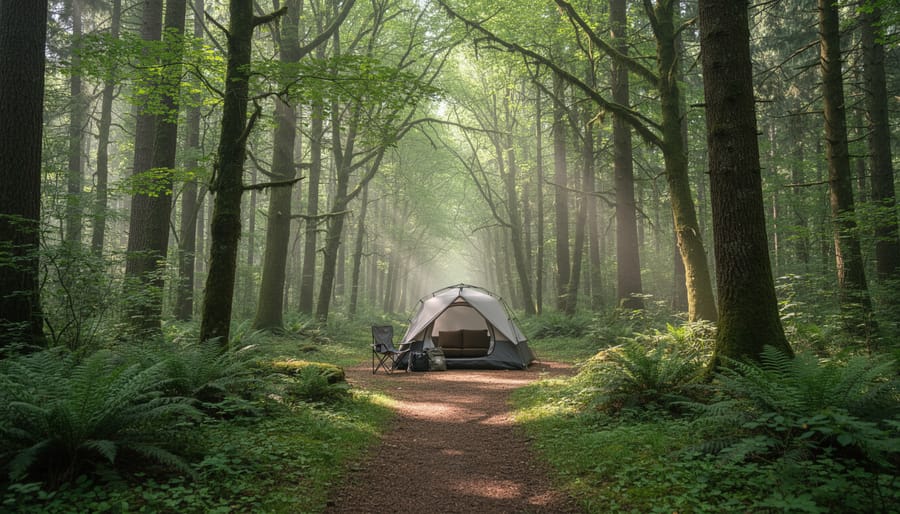
Wooded campground path in a dense Quebec forest with tent sites nestled among trees
A peaceful plein bois setting shows how camping feels deeply embedded in the forest rather than along open fields.

The Wilderness-Meets-Comfort Formula That’s Changing Quebec Camping

Amenities That Enhance (Not Erase) the Outdoor Experience

The two heated pools serve as recovery stations after a day navigating forest trails or paddling nearby waterways. One pool maintains a warmer temperature for muscle relaxation, while the other offers a cooler option for those who prefer a brisk swim after exertion. Unlike typical resort pools surrounded by concrete and loungers, these sit within sight of the forest canopy, letting you soak while still immersed in the woodland setting.

The spa and adjacent fitness room provide practical tools for adventurers preparing for or recovering from physical activities. Stretch tight muscles after carrying a kayak to the water, or warm up before heading out on a morning hike. The fitness equipment isn’t here to replace the workout you’ll get outdoors, but it serves those who want structured training between wilderness excursions.

The outdoor bar functions as an evening gathering point where campers swap trail stories and share wildlife sightings from the day. It’s positioned to maintain views into the forest rather than blocking them out, keeping the focus on the natural surroundings even during social hours. You’ll find it busiest after sunset, when the day’s adventurers return to their woodland sites and gather briefly before retreating to campfires under the trees.

These facilities work because they don’t compete with the forest for attention. They occupy discrete zones within the 60-acre woodland, leaving the majority of the campground devoted to mature trees and natural terrain. You use them when they serve a purpose, then return to your site among the woods.

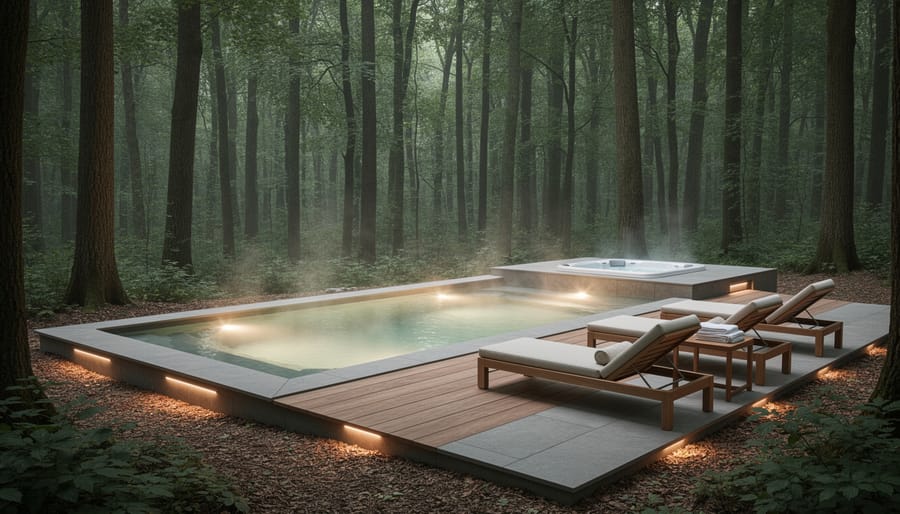
People relaxing beside a heated outdoor pool surrounded by forest trees
The heated pool and surrounding amenities illustrate how comfort supports (rather than replaces) the outdoor plein bois experience.

Strategic Location: Montreal’s Gateway to Woodland Adventures

Location shapes every camping trip, and Camping Plein Bois occupies what might be Quebec’s most practical sweet spot for woodland adventurers. Thirty minutes from downtown Montreal means you can leave work Friday evening and be setting up camp in mature forest before sunset. No marathon drives, no vacation days burned on transit.

This proximity turns the campground into a true base camp rather than just a destination. The Rigaud-St-Lazare wilderness corridor sprawls out from here, offering hiking trails that wind through protected forests, paddling routes along quiet waterways, and terrain that shifts from gentle riverside paths to challenging upland routes. You can spend Saturday kayaking local lakes, return to camp for a pool session, then tackle a different trail network Sunday morning.

Weekend warriors especially benefit from this setup. When you have only 48 hours, every hour spent driving is an hour not spent exploring. The half-hour buffer lets you maximize actual adventure time while still sleeping under trees instead of streetlights.

Water Sports and Kayaking Opportunities Near Camping Plein Bois

The Rigaud, St-Lazare corridor positions Camping Plein Bois within reach of some of Quebec’s most rewarding paddling territory. From your woodland campsite, you can launch into calm rivers ideal for beginners or tackle sections of the Ottawa River that challenge experienced kayakers with Class II and III rapids.

The Rigaud River flows through the immediate area, offering sheltered paddling through forested banks where you’ll spot herons and turtles basking on logs. Its gentle current suits guided kayaking tours and families launching their first adventure. For wider water and more ambitious routes, the Ottawa River lies 20 minutes north, with multiple access points serving paddlers of varying skill levels:

  • Rigaud Bay launch (15 km west): flat water with island exploration for half-day trips
  • Hudson village waterfront (18 km east): scenic shoreline paddling with lunch stop options
  • Baie-de-Vaudreuil access (22 km southeast): connects to broader St. Lawrence network for multi-day expeditions
  • Pointe-Fortune rapids section (30 km northwest): advanced whitewater for experienced kayakers

The campground’s proximity to these varied waterways transforms it into a genuine base camp rather than just a place to sleep between outings. You can paddle different rivers each day of a long weekend without repeating routes, then return to heated pools that ease shoulder fatigue and a spa that targets the lower back strain paddlers know too well.

For adventurers mapping a broader Quebec kayaking tour, Camping Plein Bois sits strategically between Montreal’s urban launch points and the wilder sections of the Outaouais region. Camping Lac des Pins lies further north for those continuing upriver, but Plein Bois offers the advantage of accessible waterways without requiring long shuttles or backcountry navigation. Pack your kayak in spring or fall when water levels run higher and wildlife activity peaks along the riverbanks.

Kayaker paddling on calm river water at sunrise with forested shoreline in the background
A sunrise paddle captures the water-sports adventure that plein bois campers can access as a natural extension of their getaway.

Wildlife and Natural Features in the Plein Bois Environment

The 60 acres of mature woodland surrounding Camping Plein Bois supports a diverse ecosystem typical of Quebec’s southwestern forests. White-tailed deer are the most frequently spotted mammals, particularly at dawn and dusk when they move between feeding areas. Raccoons, red foxes, and eastern chipmunks inhabit the understory, while porcupines occasionally climb the larger trees. Overhead, you’ll hear pileated woodpeckers hammering on dead snags and see red-tailed hawks circling above the canopy.

Spring brings migratory songbirds, including warblers and thrushes that nest in the dense forest cover. Summer offers the best reptile sightings, with eastern garter snakes sunning on warm rocks and painted turtles near any water features. Fall transforms the hardwood sections into brilliant color as sugar maples, yellow birches, and red oaks shift through their seasonal palette.

For safe wildlife observation, carry binoculars rather than approaching animals closely. Never feed wildlife, which disrupts natural foraging behaviors and can make animals aggressive toward future campers. If photographing deer or smaller mammals, use a telephoto lens and stay at least 30 feet away. Black bears are uncommon in this region but not impossible; store all food in vehicles or bear-proof containers and never leave scented items in tents.

The best viewing times are the first two hours after sunrise and the hour before sunset when animals are most active. Move quietly and pause frequently to scan the forest floor and mid-canopy. Respect closed trails during nesting season, and remember that you’re a guest in their habitat, not the other way around.

Planning Your Plein Bois Camping Adventure for 2026

Woodland camping requires different preparation than open-field sites. Dense canopy means less direct sunlight for drying gear and cooler temperatures even in summer. Pack moisture-wicking layers you can add or remove throughout the day, and bring a headlamp with extra batteries since the forest floor darkens earlier than exposed campsites.

If you’re planning water activities from your base at Camping Plein Bois, adapt your kayak camping pack list for car camping convenience. You’ll have vehicle access to your site, so bring the full-size cooler and camp chairs you’d normally leave behind on paddling trips. The reservation process here differs from coastal sites, while some campers research how to book French Beach for oceanside camping, securing your woodland site typically involves contacting the campground directly through their booking system.

For first-time plein bois campers, follow this preparation sequence:

  1. Check the campground’s seasonal calendar to understand which amenities operate during your visit window
  2. Reserve your site early if visiting during peak summer months when demand for the 450+ woodland sites increases
  3. Pack insect repellent and long sleeves, forest environments host more mosquitoes than open fields
  4. Bring rope or paracord for hanging food and scented items away from your tent in bear country
  5. Download offline maps of nearby trails and water access points before arrival since cell coverage can be spotty under heavy canopy

Spring and fall offer fewer crowds and spectacular foliage, though nights turn cold quickly once the sun drops below the treeline. Summer gives you full access to both heated pools and the fitness room for active recovery between trail days. The 30-minute proximity to Montreal means you can easily resupply if you forget something, but packing right the first time lets you stay immersed in the 60-acre woodland without breaking the spell of forest camping.

The plein bois camping movement is redefining what outdoor adventure looks like in 2026, and Camping Plein Bois demonstrates why this evolution matters. By preserving the essence of woodland immersion while adding carefully chosen comforts, this approach removes the barriers that have kept many would-be adventurers from experiencing Quebec’s forests. The result is camping that doesn’t ask you to choose between authentic wilderness and post-hike recovery.

For first-time campers, the 60-acre woodland retreat between Rigaud and St-Lazare offers a forgiving introduction to outdoor living. You get the full forest experience without the intimidation factor, with heated pools and amenities nearby if nature feels overwhelming. Experienced adventurers, meanwhile, discover something equally valuable: a base camp that respects their need for genuine wilderness while acknowledging that a soak after a long day paddling or hiking enhances rather than diminishes the experience.

This isn’t about diluting outdoor recreation. It’s about expanding who gets to participate and how we define authentic adventure in the modern era. Whether you’re paddling the Ottawa River for the first time or returning from your hundredth backcountry excursion, that blend of forest solitude and thoughtful comfort is waiting just 30 minutes from Montreal.

Why Camping Lac Des Pins Is Quebec’s Best-Kept Secret for Water Lovers

Nestled in Quebec’s Laurentian region, Camping Lac des Pins offers paddlers and outdoor enthusiasts a front-row seat to some of the province’s most pristine waterways. This family-friendly campground has quickly become a hotspot for kayakers looking to escape the city without sacrificing modern amenities or access to genuine wilderness experiences.

The lake itself is the main attraction. Calm morning waters make it perfect for beginners testing their first strokes, while the surrounding network of interconnected waterways challenges experienced paddlers seeking full-day adventures. You’ll find designated launch areas that accommodate everything from solo kayaks to tandem boats and stand-up paddleboards. The shoreline remains largely undeveloped, meaning wildlife encounters are part of the daily routine rather than rare occurrences.

What sets this location apart is the balance it strikes. You can paddle out at sunrise to watch mist rise off glassy water, potentially spotting loons, beavers, or even the occasional moose along the shoreline. Then return to a campsite equipped with electrical hookups, clean facilities, and fire pits for evening gatherings. It’s wilderness accessibility without requiring backcountry expertise.

The 2026 season brings renewed interest to this campground, particularly among paddlers discovering Quebec’s waterways for the first time. Whether you’re planning a weekend getaway or a week-long basecamp for exploring the region’s lakes and rivers, understanding what Camping Lac des Pins offers will help you make the most of your visit. From booking strategies to on-water safety considerations, here’s everything you need to know before you go.

What Makes Camping Lac Des Pins Stand Out

Camping Lac Des Pins isn’t your average Quebec campground. With 1166 sites sprawled across its lakeside property in Franklin, it’s one of the largest camping destinations in the Montérégie region, yet it manages to feel surprisingly intimate once you’re on the water. The campground sits on the shores of Lac Des Pins, offering direct access to calm, clear waters that make it a natural playground for kayakers and paddlers who want to escape into nature without driving to the far reaches of northern Quebec.

Location is one of this campground’s biggest assets. Tucked into the rolling countryside of Montérégie, it’s close enough to Montreal (about 45 minutes south) and Ottawa (roughly 90 minutes west) that you can leave work on a Friday and be paddling by dinner. The area’s agricultural heritage means you’ll pass farms and orchards on your way in, a pleasant contrast to the wilderness that awaits at the lake’s edge. Franklin itself is a small rural community, so don’t expect tourist sprawl. What you get instead is authentic Quebec countryside with forested hills rising in the distance.

The real draw for water sports enthusiasts is the lake itself. Unlike some crowded waterways where motorboats churn up waves, Lac Des Pins offers sheltered bays and quiet coves perfect for exploring by kayak. The water stays relatively calm even on breezy days, making it approachable for beginners while still offering enough shoreline variety to keep experienced paddlers engaged. Early morning paddles often reward you with mist rising off the water and the possibility of spotting herons along the reeds.

The 2026 season runs from May 15 through October 1, giving you nearly five months to experience the lake in different moods, from spring’s cool clarity to autumn’s fiery reflections.

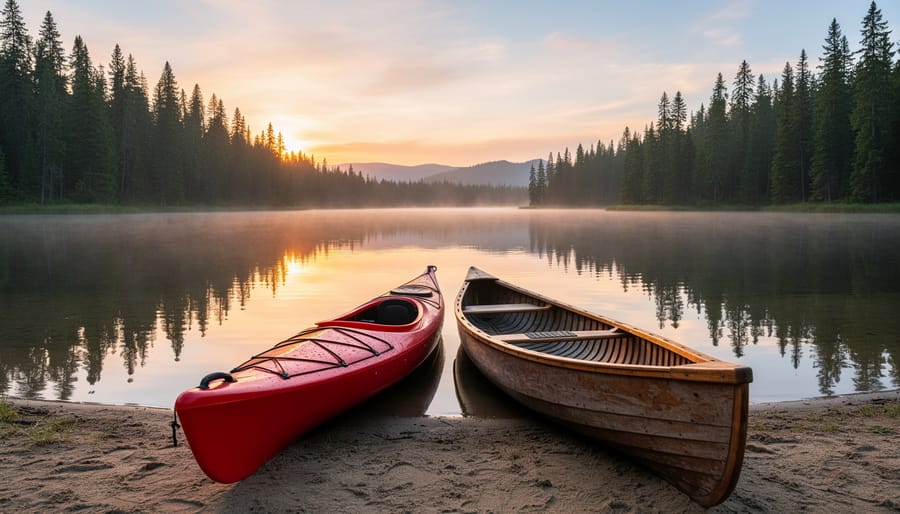
Kayak and canoe resting on the shore of Lac des Pins at golden hour.
A kayak and canoe sit ready at Lac des Pins, with golden-hour light reflecting off the lake surface.

Kayaking and Water Sports at Lac Des Pins

Best Kayaking Routes and Launch Points

The lake’s configuration makes route planning straightforward. Most kayakers put in from the main beach area near the campground entrance, where a sandy shoreline and gradual depth provide easy access for paddlers of all levels. You can also launch from sites along the water’s edge if you’ve scored a lakefront spot, giving you immediate access to your morning paddle before other campers stir.

For a leisurely exploration, trace the shoreline clockwise from the main beach. This roughly three-kilometer loop keeps you close to shore while revealing hidden coves and reed-lined inlets where herons fish in the shallows. The route typically takes an hour at a relaxed pace, ideal for beginners or anyone wanting to stay within easy reach of their campsite.

More confident paddlers head across to the lake’s quieter eastern shore, where forested banks create a different atmosphere. Early morning and late afternoon bring the best wildlife viewing, watch for beavers near fallen logs and turtles sunning on rocks. The crossing requires checking wind conditions first, as open water can get choppy on breezy afternoons.

If you’re new to the sport, consider guided kayaking tours before venturing solo at Lac Des Pins. The skills you pick up translate directly to navigating this lake’s mix of sheltered bays and open stretches.

A northern route toward the narrower inlet provides shelter from wind and closer encounters with shoreline vegetation. Paddling here feels almost meditative, with lily pads dotting the shallows and dragonflies hovering above the water. Just keep an eye on depth in late summer when water levels drop slightly.

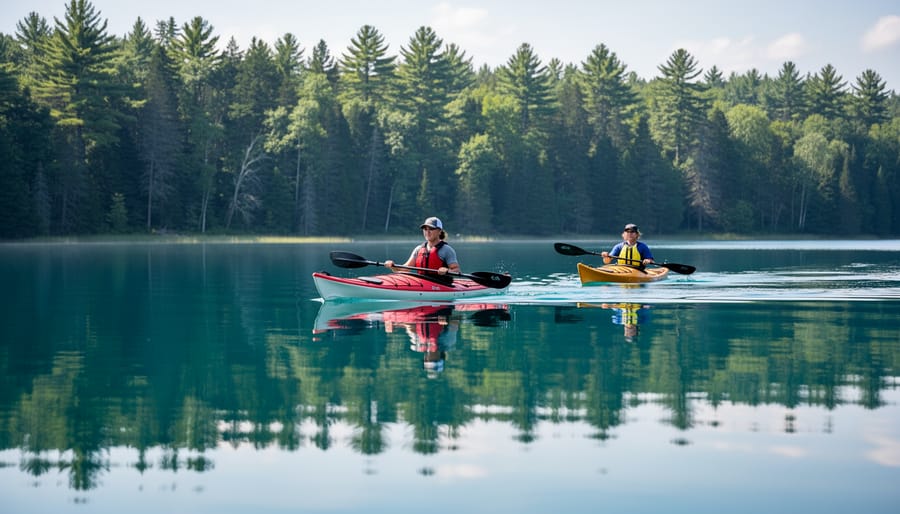
Kayakers wearing life jackets paddling on Lac des Pins.
Kayakers glide across Lac des Pins, surrounded by peaceful water and forested shoreline reflections.

Other Water Activities Beyond Kayaking

While kayaking steals the spotlight, Lac Des Pins offers a full menu of water-based activities that’ll keep every member of your group entertained. The lake’s calm, protected waters make it ideal for stand-up paddleboarding, especially during early morning sessions when the surface turns glassy and the wildlife wakes up around the shoreline. It’s a fantastic way to build core strength while exploring at a leisurely pace.

Swimmers will appreciate the designated beach areas where the water quality stays consistently clean throughout the season. The gradual entry points make it safe for families with younger children, while stronger swimmers can venture further out to deeper sections. Just remember that Quebec lake temperatures can be brisk even in summer, so plan accordingly.

Canoeing offers a different perspective than kayaking, the extra stability makes it perfect for couples or families who want to explore together, and you’ll have room for a picnic lunch or fishing gear. Speaking of fishing, anglers can try their luck casting for bass and panfish from the shore or their boats. The lake supports a healthy fish population, though you’ll need a valid Quebec fishing license.

The real advantage here is variety. You can kayak in the morning, swim after lunch, try paddleboarding before dinner, and still have energy left for an evening canoe trip. With 1166 campsites spread across the property, you’ll find your own slice of waterfront to claim as home base for whatever adventure calls to you.

Campsite Options and Pricing for 2026

Camping Lac Des Pins offers a range of accommodation options to suit every style of outdoor adventurer, from seasoned tent campers to families looking for a more comfortable introduction to the camping experience. With 1166 sites spread across the property, this sprawling campground provides plenty of choices without sacrificing the natural lakeside atmosphere that makes it special.

Traditional campsites form the backbone of the Lac Des Pins experience. These sites range from $38 to $56 per night for the 2026 season, depending on the specific site features and location within the campground. The price variation typically reflects factors like proximity to the water, electrical hookups, and the size of your camping party. Most standard sites accommodate tents, trailers, or RVs and provide access to the campground’s facilities including washrooms, showers, and common areas. Sites closer to the lake command premium pricing but deliver unbeatable sunrise views and quick access to kayak launch points.

For those who want the camping experience without hauling gear, ready-to-camp accommodations offer a compelling alternative. These options max out at $150 per night and come equipped with the essentials, allowing you to show up with your clothes and cooler rather than an entire gear arsenal. This option works beautifully for first-time campers testing the waters or families with young children who appreciate the convenience of a pre-set shelter after a long day on the lake.

Accommodation Type Nightly Rate Key Features Best For
Standard Campsite $38-$56 Bring your own tent/RV, basic hookups Experienced campers, budget-conscious adventurers
Premium Lakeside Site $50-$56 Water proximity, electrical hookups Kayakers wanting quick lake access, scenic campers
Ready-to-Camp Up to $150 Pre-equipped shelter, minimal gear needed Families, first-timers, convenience seekers

When selecting your site, consider how you plan to spend your days. Kayakers benefit from sites positioned near launch areas, cutting down the carry distance for boats and gear. Families with multiple tents or larger RVs should confirm site dimensions when booking. The sheer number of sites means you have options, but popular lakefront spots fill quickly once reservations open for the season.

To lock in your preferred dates and site type, call (450) 827-2353 to speak with the reservation team. They can guide you through available options for your specific dates and answer questions about which sites best match your water sports plans and camping setup.

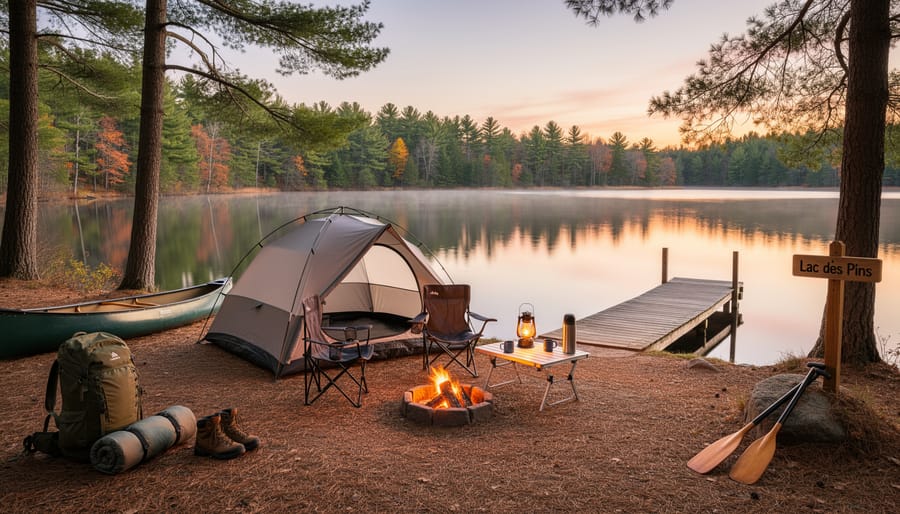
Lakeside campsite with an open tent, picnic table, and canoe near Lac des Pins.
A lakeside campsite scene captures the relaxed feel of camping at Lac des Pins, with outdoor gear and water access nearby.

Planning Your Visit: Season Dates and Reservations

Getting a site at Camping Lac Des Pins requires a bit of advance planning, especially given the campground’s popularity and its impressive 1166-site capacity. The 2026 season runs from May 15 through October 1, giving you nearly five months to experience this Quebec gem.

Reservations are handled by phone at (450) 827-2353. While this old-school approach might seem inconvenient in our app-driven world, it actually works in your favor for getting specific site information and asking questions about water access for kayaking. Call early in the year to secure peak-season weekends, particularly around Canada Day and the summer holiday period.

Timing matters for your adventure style. May and early June offer cooler temperatures and fewer crowds, ideal for paddlers who prefer solitude and don’t mind wearing a wetsuit. The water warms considerably by late June, making it perfect for combining kayaking with swimming. July and August see the campground at full capacity, but the vibrant atmosphere and guaranteed warm weather make it worth the company. September brings spectacular fall colors reflecting off the lake, creating stunning paddling conditions, though nights turn crisp.

For kayakers specifically, weekdays in June or September provide the best balance of good weather, manageable crowds, and calm water conditions. Weekend warriors should book several weeks ahead for July and August slots. The shoulder seasons offer easier booking and often better paddling, with morning mist lifting off the lake creating that magical Quebec wilderness feeling you came here to experience.

Beyond the Water: Hiking and Wildlife Watching

When you’re ready to swap your paddle for hiking boots, the lands surrounding Camping Lac Des Pins reveal a different side of the Montérégie region’s natural wealth. The Franklin area sits within a wildlife corridor that connects forest patches, wetlands, and agricultural fields, creating a mosaic of habitats where white-tailed deer browse at dawn and great blue herons stalk the shallows. Early morning walks along the campground’s perimeter paths often reward patient observers with sightings of red foxes, wild turkeys, and a rotating cast of migratory songbirds that use this region as a stopover during spring and fall migrations.

Several trail systems within a short drive of the campground offer excellent hiking trails experience for those wanting to explore beyond the lake’s edge. The terrain here is gentler than Quebec’s northern wilderness, making it ideal for families and less experienced hikers who want to build confidence before tackling more demanding routes. Local conservation areas feature wooded trails that wind through sugar maple stands and past beaver ponds, where you can observe the engineering prowess of these industrious rodents firsthand.

  • White-tailed deer (most active at dawn and dusk; observe quietly from a distance)
  • Great blue herons and green herons (common near shorelines and wetlands)
  • Red foxes (occasionally spotted hunting in open areas)
  • Wild turkeys (often seen in mixed forest edges)
  • Beavers (look for lodges and fresh-cut saplings near water)
  • Never feed wildlife or approach nesting birds; carry binoculars for closer views

The real magic happens when you blend water and land pursuits into a single day hike planning. Paddle across the lake in the morning when the water is calmest, beach your kayak on a quiet shore, then explore inland trails before returning to camp. This combination approach maximizes your Quebec outdoor adventure while giving your shoulders a break from paddling and your legs the workout they crave.

Essential Gear for Your Lac Des Pins Adventure

Packing smart for Lac Des Pins means preparing for two distinct environments: the water and the campsite. Quebec’s Montérégie weather swings wildly even during peak season, so layering is your best friend. Start with moisture-wicking base layers, add a fleece or insulated mid-layer, and pack a waterproof shell that can handle surprise storms rolling across the lake.

For kayaking, your personal flotation device tops the list. Choose one rated for paddling that won’t restrict your range of motion. A dry bag (20-30 liters) protects phones, keys, and extra clothing from inevitable splashes. Bring a paddling jacket even on warm days since wind chill on the water drops temperatures fast. Sun protection matters more on water than land, UV rays reflect off the surface, so pack reef-safe sunscreen, a wide-brimmed hat with a chin strap, and polarized sunglasses with a retainer cord. Our detailed pack list for kayaks breaks down exactly what fits in your hatch without compromising stability.

Camp essentials include a four-season tent (spring nights at Lac Des Pins can dip to 5°C), a sleeping bag rated to at least 0°C, and an insulated sleeping pad that works on potentially damp ground. Bug spray becomes critical from late May through July when blackflies and mosquitoes patrol the lakeshore. Pack a headlamp with fresh batteries, a camping stove with fuel, and bear-safe food storage containers since wildlife frequents the campground’s wooded sections.

Water-specific additions make the difference. Bring water shoes for rocky launch points, a small first-aid kit with blister treatments and waterproof bandages, and a whistle attached to your PFD. A portable water filter lets you top up from the lake during longer paddles. Don’t forget camp chairs and a tarp for creating dry gathering space when rain turns sites into temporary mud patches.

Getting There and What to Know

Finding Camping Lac Des Pins is straightforward, even for first-timers navigating Quebec’s rural roads. The campground sits at 3625 Route 201 in Franklin, Quebec (J0S 1N0), roughly an hour’s drive southwest of Montreal. From the city, take Highway 15 south toward the US border, exit onto Route 202 west, then follow Route 201 south, the entrance is clearly marked on your left. GPS coordinates work reliably out here, though cell service can be spotty once you’re deep in the Montérégie countryside, so download offline maps beforehand.

Franklin itself is a small agricultural community, so stock up on groceries and fuel before you arrive. The nearest town with full services is Huntingdon, about fifteen minutes north, where you’ll find supermarkets, a pharmacy, and a hardware store if you’ve forgotten camping essentials. The campground operates a small convenience store on-site, but selection is limited and prices run higher than in town.

A few campground rules worth noting: quiet hours run from 11 PM to 7 AM, fires are permitted only in designated fire pits, and all pets must be leashed. The 1166 sites mean the place can feel bustling during peak summer weekends, so patience with neighbors and shared facilities goes a long way. Arrive early on Fridays to claim prime lakefront spots and avoid the afternoon rush.

First-time visitors should bring a detailed site map (available during check-in) because navigating the sprawling property takes practice. The lakefront sites book fastest, but interior spots near the washroom blocks offer convenience that matters after a long day on the water.

With 1166 campsites nestled along pristine Quebec waters and the 2026 season opening May 15, there’s never been a better time to discover what makes Camping Lac Des Pins special. Whether you’re planning your first kayaking adventure or you’re a seasoned paddler seeking new waterways to explore, this Franklin gem delivers the rare combination of extensive facilities and untouched natural beauty that keeps water lovers coming back.

The Montérégie landscape offers something you won’t find at crowded commercial campgrounds: space to breathe, water that invites exploration, and that genuine connection to Quebec’s wild side. Don’t let another summer slip by wondering what you missed.

Ready to claim your spot? Call (450) 827-2353 to reserve your campsite or ready-to-camp accommodation. With the season running through October 1, you have months to experience everything from sunrise paddles to wildlife encounters along the shore. Your next great outdoor story starts at Lac Des Pins.

The Camping Pack List That Actually Fits in Your Kayak

Packing for a camping trip that involves kayaking creates a unique challenge most standard checklists completely miss. You’re not just hauling gear from your car to a designated campsite. You’re balancing waterproof requirements with weight distribution in your kayak, protecting electronics from splash zones, and ensuring your tent poles don’t puncture a dry bag mid-paddle.

The difference between a successful water-based camping adventure and a soggy disaster often comes down to categorization. Generic camping lists fail because they don’t account for the reality of limited space in kayak hatches, the physics of capsizing (yes, it happens), or the specialized equipment needed when your campsite requires navigating currents to reach.

Standard camping gear makes up only 60% of what you actually need for a kayaking-camping combination. The remaining 40% includes waterproofing solutions, navigation tools for water routes, and safety equipment that landlocked campers never consider. Forgetting a bilge pump or not properly sealing your sleeping bag can turn an exciting wilderness expedition into an uncomfortable night you’ll remember for all the wrong reasons.

Whether you’re planning to paddle past icebergs on Newfoundland’s coast or searching for wildlife encounters along quieter inland waterways, your packing strategy needs to reflect the dual nature of your adventure. This comprehensive guide breaks down essential items into four strategic categories: core camping necessities, water-specific equipment, safety and navigation gear, and personalized additions based on your skill level and destination climate.

Why Your Standard Camping Packing List Fails on the Water

Your car camping checklist works great when you can park next to your tent and make multiple trips to the vehicle. RV camping lists are comprehensive because you’re basically driving a small apartment to your campsite. But the moment you paddle away from shore in a kayak or canoe, those traditional pack lists become dangerously irrelevant.

The fundamental challenge is space constraint. A typical recreational kayak offers 30 to 40 liters of storage in hatches and dry compartments, compared to the limitless trunk space of a car or the massive cargo area of an RV. First-time campers often forget small but essential items even when packing a vehicle, and the consequences multiply when you’re paddling two hours into remote North American waters with no way to retrieve what you’ve left behind.

Weight distribution becomes critical on the water in ways car camping never demands. Load your kayak poorly and you’ll fight instability with every paddle stroke, turning what should be an exciting journey into an exhausting struggle. Heavier items need to sit low and centered, lighter gear fills the ends, and everything must be secured so it doesn’t shift when you navigate waves or rapids. kayak packing considerations extend beyond simple weight to include trim, balance, and accessibility while you’re actively paddling.

Warning: The three biggest mistakes kayak-campers make are overpacking (creating dangerous instability), neglecting waterproofing (ruining electronics and sleeping gear), and burying essential safety items where they can’t be reached quickly on the water.

Waterproofing demands shift from “nice to have” to “absolutely critical.” Rain on a car camping trip means you get a bit wet. Water intrusion during a kayaking adventure means your sleeping bag becomes useless, your phone stops working, and your food supply gets contaminated. Every single item needs protection from splashing, rain, humidity, and the inevitable capsize that catches even experienced paddlers off guard.

The learning curve steepens without beginner kayaking guidance where instructors teach you what actually matters versus what seems important. Your instinct might say to bring the large cooler and full cookware set, but experienced water campers know that compact, multi-use gear wins every time. The standard camping checklist can’t account for these water-specific realities.

The Four-Category System for Waterside Camping

Setup Essentials: Shelter and Sleep Systems

Your shelter and sleep system is the foundation of kayak camping comfort, but choosing the wrong gear here can sink your trip before it starts. Unlike car camping where you can toss a six-person tent and queen-sized air mattress in the trunk, every ounce and cubic inch matters when it’s strapped to your kayak deck.

Start with a tent designed for backpacking, not car camping. You’re looking for something under four pounds that packs down to the size of a Nalgene bottle. Freestanding designs work best on rocky shorelines where finding tent stakes won’t be easy. Double-wall tents offer better condensation management than single-wall options, which matters when you’re camping steps from water. The extra vestibule space also gives you a dry area to stash paddle gear and wet boots away from curious wildlife.

Shelter Type Weight Pack Size Best Use
Two-person backpacking tent 3-4 lbs 6×18 inches Coastal camps, all conditions
Ultralight tarp setup 1-2 lbs 4×12 inches Inland, calm weather only
Hammock with bug net 2-3 lbs 5×10 inches Forested shorelines, bears present

Sleeping bags and pads deserve equal attention on any camping essential checklist. Synthetic fill handles moisture better than down when you’re paddling in damp environments, though it’s bulkier. If you choose down, stuff it in a waterproof compression sack. Your sleeping pad serves double duty: insulation from cold ground and flotation backup if you capsize, so don’t skimp. Closed-cell foam pads are bombproof and float naturally, while inflatable pads pack smaller but puncture on sharp shoreline rocks.

Always pack a lightweight tarp. It’s your backup shelter if the tent fails, a dry staging area for unpacking gear, and a food prep surface that keeps you visible to wildlife instead of hunched over inside your tent where a curious bear can’t see what you’re doing.

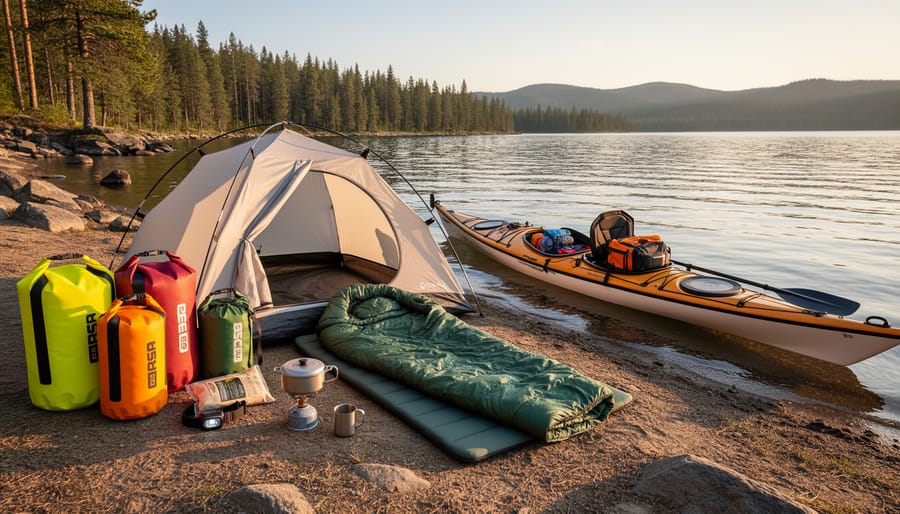
Kayak beside a shoreline with laid-out dry bags, tent, sleeping pad, and tarp ready for a camping trip
A paddler’s setup-ready camping gear staged near the kayak shows how to combine water-ready storage with shelter essentials.

Kitchen Supplies: Cooking on Remote Shores

Cooking on remote shorelines demands a radical shift from typical car-camping kitchen setups. Your kayak’s limited cargo space means every pot, utensil, and food container needs to justify its weight and volume. A compact two-burner stove might work for RV trips, but water-based adventures call for a single lightweight canister stove that packs down to fist-size and weighs under a pound.

Start with nested cookware designed for backpackers: a single pot that doubles as your eating bowl, a lightweight pan that serves as a lid, and a titanium spoon that won’t corrode in saltwater environments. Skip the full cutlery set. One spork per person handles everything from stirring oatmeal to eating freeze-dried dinners. For multi-day trips, plan meals around dehydrated ingredients and pre-measured portions stored in waterproof bags, which compress far better than rigid containers and eliminate the risk of soggy supplies after an unexpected wave.

Food storage requires extra thought when you’re camping in wildlife territory. Bear-resistant containers aren’t optional in many North American paddling destinations, they’re required by regulations and essential for avoiding dangerous encounters with curious animals ranging from black bears in coastal British Columbia to raccoons along the Great Lakes. Hang a bear bag if containers won’t fit, positioning it at least 12 feet high and 6 feet from tree trunks. Even if you don’t see wildlife during daylight hours, scent travels far across water and shorelines act as natural corridors for animals moving between feeding areas.

The small items trip up even experienced paddlers. Waterproof matches stored in two separate dry bags, biodegradable soap for washing dishes away from shore, and a collapsible water container save the day when you’re camped on a rocky beach with no freshwater source nearby. Coffee lovers should bring instant packets rather than grounds and a French press, those extra ounces and bulk matter when you’re portaging or dealing with choppy conditions.

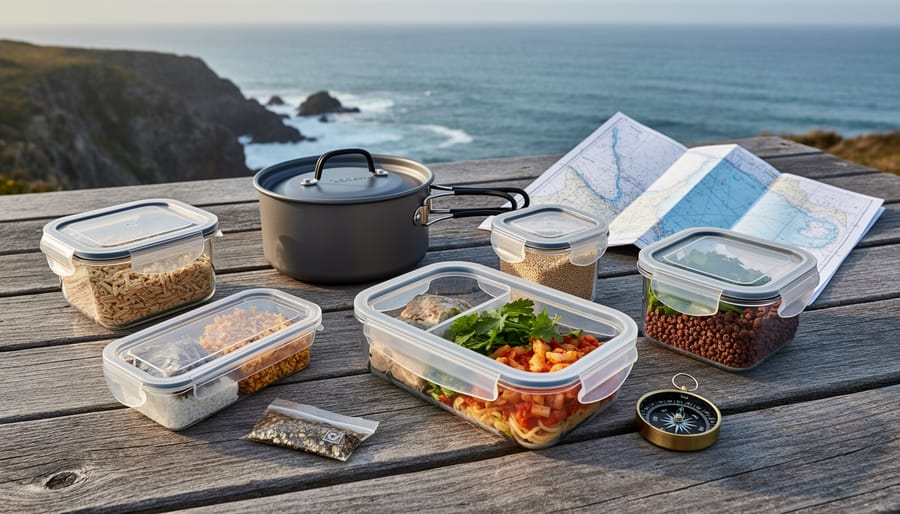
Compact camp cooking gear and sealed food containers laid out beside a waterproof dry bag
Compact cookware staged with sealed food containers highlights how to plan meals for remote shores while keeping essentials dry.

Safety Gear: Beyond the Standard Checklist

Safety on the water demands a different mindset than car camping. You can’t run back to your vehicle for that forgotten whistle, and a minor mishap in a remote shoreline camp can escalate quickly without the right gear. The good news? Adding water-specific items to your standard camping safety kit doesn’t require a complete overhaul, just some smart additions and prioritization.

Start with the absolute non-negotiables. Every person needs a properly fitted personal flotation device (PFD) that stays accessible during paddling. Beyond that, your safety gear breaks down by how quickly you might need it:

  • Immediate access: whistle attached to PFD, knife or multi-tool on your person, headlamp, and VHF radio or satellite communicator in a waterproof case
  • Easy reach in day hatch: comprehensive first aid kit, emergency shelter (space blanket or bivy), fire-starting materials in waterproof container, and extra water purification tablets
  • Can stay packed: repair kit for boat and gear, backup navigation tools, extra batteries, and bear spray or air horn depending on your region

First aid kits for kayak camping need special attention. Standard kits miss key water-related injuries: add blister treatment for wet feet, waterproof bandages that actually stick, antiseptic for cuts from barnacles or rocks, and medication for seasickness. A small dry bag dedicated to medical supplies beats a traditional hard case because it compresses when you’re tight on space and floats if it goes overboard.

Navigation merits redundancy. GPS devices fail, phones die, and fog can roll in fast across northern waters where visibility drops to nothing. Pack a waterproof chart of your route, a basic compass, and know how to use both before you launch. Weather monitoring apps are helpful when you have signal, but a simple barometer and understanding of cloud patterns have saved more paddlers than fancy electronics.

Wildlife deterrents vary by region. Coastal camps might need noise-makers for curious seals, while inland routes through bear country require proper food storage systems and deterrent spray within arm’s reach of your tent. The expert approach isn’t carrying every possible safety item but understanding which risks match your specific route and packing accordingly.

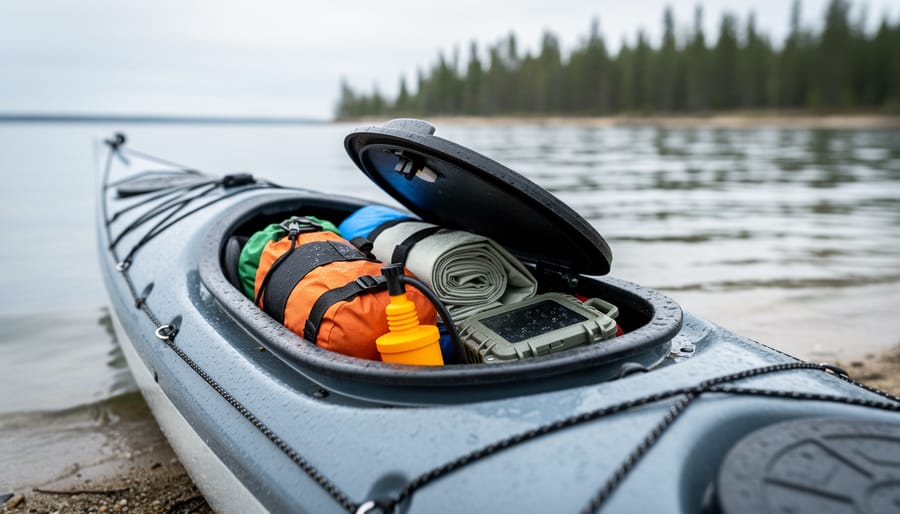
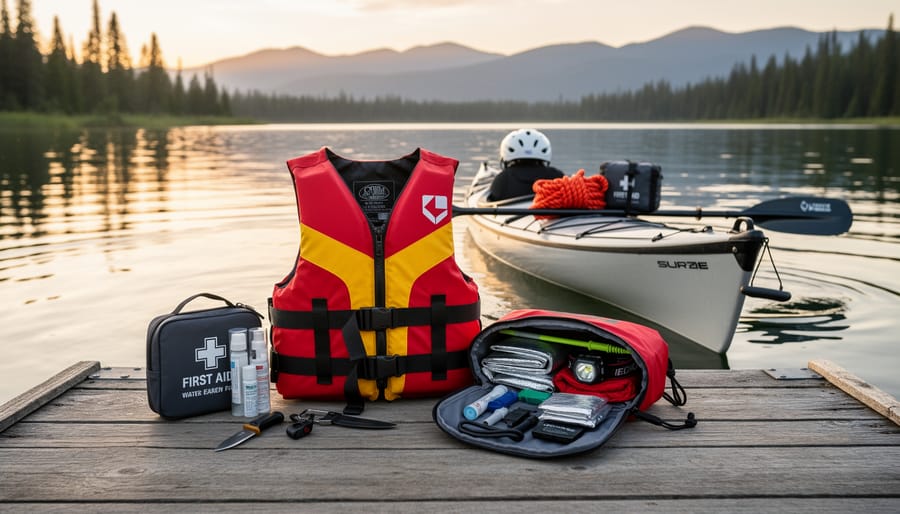
Life jacket and water-ready emergency gear arranged near an open dry bag at a campsite
Safety gear displayed in a water-ready setup underscores what belongs within immediate reach for kayak camping.

Comfort Items: What’s Worth the Weight

Every ounce counts when you’re balancing a loaded kayak, but that doesn’t mean you sacrifice all comfort. The trick is choosing items that earn their space by serving multiple purposes or dramatically improving your experience relative to their weight.

Start with a quality camp chair. Yes, it’s extra weight, but after a day of paddling and setting up camp on rocky shorelines, sitting on a log gets old fast. Lightweight options in 2026 weigh under a pound and pack smaller than a water bottle. For beginners especially, having that one familiar comfort item makes the whole adventure more enjoyable and sustainable for future trips.

Clothing layers deserve careful thought. Pack one complete dry outfit in a sealed bag as your “insurance policy” against falling in or unexpected weather. Beyond that, think versatility: a fleece that works as a jacket, pillow, or extra insulation layer. Quick-dry synthetics or merino wool beat cotton every time, especially in North America’s unpredictable climates where you might encounter cold nights even in summer.

Here’s what experienced paddlers often cut: bulky towels (a lightweight camp towel dries you and your gear), multiple pairs of shoes (water sandals that work on land and in the kayak), excessive clothing changes (you’ll rewear things). What they keep: a headlamp with fresh batteries, sunglasses with a retention strap, and a compact book or journal for evenings by the water.

The real luxury? A dry sleeping bag and warm coffee in the morning. Prioritize those, and you’re set.

Packing Strategy: Making Everything Fit and Stay Dry

The difference between a successful kayak-camping trip and a soggy disaster often comes down to a single decision: how you pack. When you’re paddling through North American waters where whales and icebergs might share your route, your packing strategy isn’t just about convenience, it’s about safety and enjoying your adventure instead of fighting with waterlogged gear.

Start with the heavy items. Your water containers, cooking gear, and food storage belong low and centered in your kayak, just behind or ahead of your seat depending on your vessel’s design. This keeps your center of gravity stable when waves pick up or you’re navigating choppy waters. Lighter items like your sleeping bag and clothing go toward the ends, but never so far forward or back that they throw off your boat’s trim.

Waterproofing requires a layered approach. Use compression dry bags as your primary defense, then pack those inside larger dry bags or waterproof hatches. Assume water will find a way in during extended trips. Your sleep system gets double protection, stuff sack inside a dry bag, because a wet sleeping bag can turn dangerous fast in cool northern climates.

Organize by accessibility, not just category. Your PFD stays on your body, but emergency gear like your first aid kit, signaling devices, and repair supplies should sit in a deck bag or day hatch you can reach without unpacking. Rain gear goes in an accessible outer pocket. Meanwhile, your tent, extra clothes, and backup food can stay buried in stern hatches until you reach camp.

For longer kayaks, balance weight between bow and stern compartments. Canoes demand different thinking, pack the heaviest gear amidships and secure everything with straps or bungees so nothing shifts when you portage. Solo paddlers in shorter boats face tighter constraints; every item earns its spot or stays home.

Test your load before launch day. Pack everything, load your kayak, and paddle around for twenty minutes. If the boat feels squirrelly or lopsided, redistribute before you’re three hours from the launch point with sore shoulders and regret.

Specialized Considerations for North American Adventures

North America’s diverse landscapes demand smart adjustments to your base pack list. What works on calm inland lakes will leave you unprepared for coastal swells, and the gear that keeps you comfortable in desert heat becomes dangerous dead weight in northern waters.

Cold-water paddlers heading to Newfoundland’s East Coast Trail or British Columbia’s North Coast Trail face unique challenges. Iceberg debris and frigid water temperatures require a wetsuit or drysuit, not just a change of clothes. Add chemical hand warmers to your safety kit and pack an emergency bivvy rated for sub-freezing temperatures. Your sleeping bag needs a 15-degree lower rating than the forecasted low because coastal wind chill is relentless.

Environment Key Gear Adjustments Wildlife Considerations
Northern Waters (Iceberg Zones) Wetsuit/drysuit, emergency bivvy, hand warmers, upgraded sleeping bag Seals, polar bears (far north), seabirds
Desert Lakes Extra water capacity (8L minimum), shade tarp, sun protection, electrolyte tablets Rattlesnakes, scorpions, javelinas
Coastal Waters Tide charts, marine radio, backup anchor, reef-safe sunscreen Bears (BC/Alaska), raccoons, marine mammals
Inland Waters Insect netting, water filter, bear canister, tick removal tool Black bears, moose, beavers, mosquitoes

Desert lake camping in places like Lake Powell or Lake Mead flips the script. You’ll carry at least 8 liters of water capacity per person, a lightweight shade tarp for midday refuge, and reef-safe sunscreen that won’t contaminate fragile desert ecosystems. Skip the heavy rain gear and add electrolyte tablets instead.

Wildlife dictates specific additions. Bear country (most of Canada, Alaska, and the Rockies) requires a bear canister or rope for hanging food 12 feet high and 6 feet from tree trunks. Coastal paddlers in British Columbia need to store all scented items the same way because black bears are strong swimmers. Northern moose territories call for a whistle and bright tent colors so you’re visible from a distance.

Seasonal shifts matter more than many paddlers expect. Spring runoff turns calm rivers into churning hazards and adds throwable rescue rope to your must-have list. Fall in northern regions means shorter days, so headlamps with fresh batteries and reflective tape on your kayak become safety essentials, not luxuries. Summer brings biting insects that can ruin a trip if you skimp on quality bug netting and permethrin-treated clothing.

Your Personalized Pack List: Templates for Every Skill Level

The beauty of a well-planned kayaking-camping trip is that no two adventures look the same. A weekend paddle to a quiet island demands different gear than a week-long Gros Morne adventure combining open water crossings with alpine hikes.

Start with trip length as your foundation. Weekend trips (two to three nights) let you pack a few comfort items without obsessing over every ounce. You’ll bring fresh food for most meals and can afford a slightly heavier sleep system. Week-long expeditions flip that equation, suddenly, dehydrated meals replace fresh ingredients, and you’re counting the weight of spare batteries.

Your skill level matters just as much. Beginners should embrace redundancy: extra fire starters, a backup headlamp, an additional dry bag for electronics. You’re still learning what you’ll actually use, so the printable camping checklists gaining popularity in 2026 become your safety net. Check items off as you pack, then review what stayed untouched when you return.

Intermediate paddlers can start customizing. You know your cooking style, how cold you sleep, which layers you actually wear. Strip the “just in case” items that never leave the bag.

Expert adventurers often run the leanest lists, but here’s the catch: they add specialized gear for specific environments. Navigating iceberg-studded waters off Newfoundland? You’re packing thermal layers a summer lake paddler would skip. Balancing kayaking with serious hiking miles means different footwear choices than a water-focused trip.

The framework stays consistent across all levels, setup essentials, kitchen supplies, safety gear, comfort items, but the specific contents shift with experience and ambition. Your perfect pack list evolves with every trip you complete.

With your four-category system in hand and a solid understanding of what your kayak can hold, you’re ready to experience some of the most rewarding adventures North America has to offer. The coastlines, inland lakes, and iceberg trails you’ll access from the water reveal landscapes and wildlife encounters that car campers never see.

Start with one of the templates from this guide, then adjust as you gain experience. Your first trip might feel like careful Tetris with dry bags, but you’ll quickly learn what you actually use, what stays packed, and what wasn’t worth the weight. That’s part of the journey.

Safety and preparation aren’t barriers to adventure, they’re what make the adventure possible. Whether you’re a beginner planning your first overnight paddle or an experienced kayaker ready to tackle week-long expeditions, the right pack list turns uncertainty into confidence. Check your gear twice, waterproof everything that matters, and give yourself permission to modify the list based on what works for you.

The water’s waiting. Pack smart, paddle safely, and discover what’s around the next bend.

Why Guided Kayaking Tours Transform First-Timers Into Lifelong Paddlers

Glide through pristine waterways where towering icebergs cast sapphire shadows and curious seals surface alongside your paddle. Guided kayaking tours transform water-based exploration from a solitary challenge into an expertly curated adventure, whether you’re gripping a paddle for the first time or refining your stroke technique.

The magic of guided tours lies in their accessibility. Expert guides handle route navigation, weather assessment, and wildlife tracking while you focus entirely on the experience. First-timers receive hands-on instruction in proper paddling form, safety protocols, and equipment use before launching. Experienced paddlers gain insider knowledge about hidden coves, optimal wildlife viewing times, and advanced techniques for handling varying water conditions.

Safety becomes second nature when professionals manage risk factors you might overlook. Guides monitor changing weather patterns, assess water currents, maintain emergency communication equipment, and carry rescue gear. They’re certified in wilderness first aid and trained in swift-water rescue techniques, providing security that allows complete immersion in your surroundings.

Equipment concerns disappear entirely. Tour operators provide properly fitted kayaks, paddles, personal flotation devices, dry bags, and often wetsuit or drysuit rentals appropriate for water temperatures. This eliminates the barrier of expensive gear purchases and storage logistics while ensuring you paddle in well-maintained, reliable equipment.

The true value emerges in moments you cannot orchestrate alone: interpreting animal behavior as whales breach nearby, identifying geological formations that reveal millions of years of natural history, or navigating safely to secluded beaches accessible only by water.

What Makes Guided Kayaking Tours Different From Going Solo

When you’re choosing between a guided kayaking tour and paddling on your own, you’re really deciding between two fundamentally different experiences. The distinction goes far beyond simply having someone lead the way—it encompasses every aspect of your time on the water.

The most significant difference lies in the comprehensive support system that comes with professional guides. These experienced kayakers bring years of local knowledge about water conditions, weather patterns, and the hidden gems you’d likely miss navigating alone. They know where icebergs tend to drift along certain coastlines, which channels offer the best wildlife encounters, and how to read the water for optimal safety. This expertise transforms an ordinary paddle into an educational adventure where every stroke teaches you something new about the environment.

Aspect Guided Tours Solo Kayaking
Safety Professional oversight, emergency protocols, group support Self-reliant, personal responsibility for all decisions
Local Knowledge Expert insights on wildlife, terrain, and conditions Research-dependent, learning through trial and error
Equipment High-quality gear provided and fitted properly Must purchase or rent independently
Experience Educational commentary, storytelling, curated routes Personal exploration at your own pace

Equipment provision represents another major advantage. Guided tours typically include professional-grade kayaks, properly fitted safety gear, and specialized equipment you might not own. Your guide ensures everything fits correctly and functions properly before you launch, eliminating the guesswork that often intimidates newcomers.

The educational component cannot be overstated. Guides share fascinating ecological information, pointing out wildlife behavior you’d otherwise overlook and explaining the geological forces that shaped the landscape. They teach proper paddling techniques in real-time, helping you conserve energy and navigate more efficiently. This hands-on instruction accelerates your learning curve far beyond what solo practice offers.

Solo kayaking certainly has its appeal for experienced paddlers seeking solitude and independence. However, guided tours deliver value through safety, knowledge, convenience, and the social experience of sharing an adventure with fellow enthusiasts.

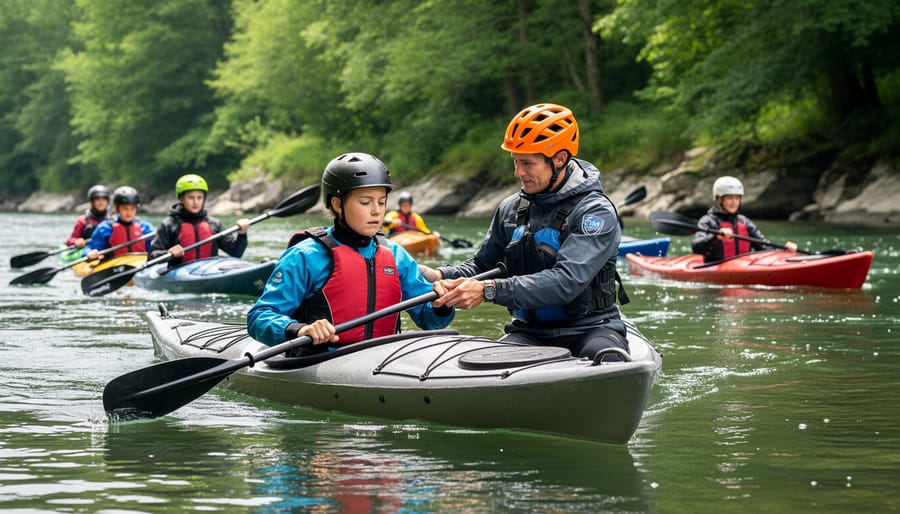
Kayaking guide demonstrating paddle techniques to group of beginners on calm water
Professional kayaking guides provide hands-on instruction and safety expertise that transforms nervous beginners into confident paddlers.

The Expert Guide Advantage: More Than Just Paddling Instructions

Reading Water and Weather Like a Pro

Professional kayak guides are trained to read nature’s subtle signals that many paddlers might miss. Before launching any tour, they assess current water conditions, checking for wind patterns, wave height, and water clarity that indicate what lies beneath the surface. On tidal waterways like those in Maine’s Acadia or British Columbia’s coastal inlets, guides time departures strategically, using incoming tides to assist paddlers and avoiding dangerous tidal rips that form when massive volumes of water squeeze through narrow passages.

Guides also monitor weather systems continuously, recognizing how afternoon thermal winds develop on large lakes or how fog banks roll in along Pacific Northwest coastlines. They understand local microclimates—knowing, for example, that Alaska’s glacier-fed waters create unique conditions where cold air meeting warmer surfaces produces sudden weather shifts. When paddling near icebergs, guides assess ice stability and maintain safe distances from calving events.

This expertise transforms potentially risky situations into calculated adventures. Guides don’t just react to conditions; they anticipate them, choosing routes that match both environmental factors and group abilities, ensuring everyone experiences the thrill of exploration without unnecessary risk.

Wildlife Encounters Done Right

One of the most thrilling aspects of guided kayaking tours is the opportunity to witness wildlife in their natural habitat, and your guide makes all the difference in these encounters. Professional guides know exactly where to position your group for optimal viewing while maintaining safe distances that protect both paddlers and animals. They’re trained in marine life viewing guidelines and understand animal behavior patterns, ensuring every encounter respects ecological boundaries.

Along iceberg trails and coastal waterways, you might spot seals lounging on ice floes, sea otters floating on their backs, or bald eagles soaring overhead. Your guide will help you identify species, share fascinating behavioral insights, and explain the ecological importance of what you’re witnessing. They’ll also recognize when animals show signs of stress and adjust accordingly, teaching you to be a responsible wildlife observer.

This educational component transforms simple sightings into meaningful experiences. You’ll learn which seasons bring migrating whales, where bears fish for salmon, and how to read the subtle signs that wildlife is nearby. Guides carry field guides and spotting scopes to enhance your viewing experience while modeling the Leave No Trace principles that keep these wild spaces pristine for future generations.

Choosing the Right Guided Tour for Your Skill Level

Beginner-Friendly Options: Building Confidence on the Water

If you’ve never paddled before, don’t worry—many guided tours are specifically designed with first-timers in mind. Look for tours explicitly labeled “beginner-friendly” or “introductory,” which typically take place on calm, protected waters like sheltered bays, slow-moving rivers, or peaceful lakes. These venues eliminate the intimidation factor of waves or strong currents, allowing you to focus purely on learning basic strokes and building confidence.

Duration matters significantly for your first experience. Choose tours ranging from two to three hours rather than full-day excursions. This timeframe provides enough water time to feel accomplished without overwhelming your muscles or attention span. You’ll be surprised how quickly you adapt to the rhythm of paddling.

The best beginner tours dedicate substantial time to shore-based instruction before launching. Your guide should thoroughly cover paddling techniques, safety protocols, and how to handle your kayak. Expect at least 15-20 minutes of pre-launch training. Quality operators maintain small group sizes—ideally six to eight paddlers maximum—ensuring your guide can provide individual attention and quickly assist if you need help. This personalized approach transforms nervous anticipation into genuine excitement, setting the foundation for a lifelong love of kayaking.

Intermediate Adventures: Expanding Your Horizons

Ready to take your paddling to the next level? Intermediate guided tours open up thrilling new possibilities that build on your foundational skills. These adventures typically venture into coastal environments where you’ll navigate tide changes, handle modest swells, and explore dramatic shorelines shaped by wind and waves.

Multi-day expeditions are the crown jewel of intermediate kayaking, combining camping with extended paddling sessions. Imagine setting up beachside camps after a full day on the water, then waking to sunrise over glassy bays. These tours often take you through remote areas where wildlife encounters become more frequent—think seals popping up beside your kayak or eagles soaring overhead as you paddle past towering cliffs.

What makes these tours manageable despite their challenges? Your guides expertly read weather patterns and water conditions, adjusting routes to match the group’s capabilities. You’ll learn advanced techniques like bracing in choppy water, efficient stroke mechanics for distance paddling, and navigating through narrow passages between islands or along dramatic rock formations, including routes near spectacular iceberg trails in northern waters.

These experiences demand reasonable fitness and comfort spending several hours in your kayak, but the payoff is unforgettable: reaching places that feel genuinely wild and earning spectacular views through your own effort.

Advanced Expeditions: Pushing Your Limits Safely

For seasoned paddlers craving the ultimate challenge, advanced expeditions deliver adrenaline-pumping adventures with professional safety nets. These specialized tours push boundaries while maintaining expert oversight that solo paddling can’t provide.

Iceberg trails represent the pinnacle of kayaking experiences, where you’ll navigate among towering ice formations in Arctic and sub-Arctic waters. Guides monitor ice movements, weather patterns, and safe passage routes while you focus on the breathtaking scenery. These trips require strong paddling skills and cold-water experience, but the reward is accessing one of nature’s most spectacular phenomena.

Open ocean paddling takes you beyond protected bays into challenging swells and currents. Expert guides assess conditions, plan contingencies, and teach advanced techniques for handling rough water. You’ll develop skills in navigation, reading ocean patterns, and managing exposure while experiencing the raw power of coastal waters.

Expedition-style multi-day adventures combine wilderness camping with extended paddling journeys through remote territories. These immersive experiences include wildlife encounters with whales, sea otters, and coastal bears, all while guides handle logistics, safety protocols, and route planning. Support teams often accompany longer expeditions, allowing you to concentrate on the paddling experience rather than equipment management. These challenging tours transform experienced kayakers into expedition paddlers through mentorship and real-world conditions.

Kayaker's view approaching large iceberg on calm arctic waters during guided tour
Guided tours provide safe access to spectacular destinations like iceberg trails that would be dangerous to navigate alone.

What to Expect on Your First Guided Kayaking Tour

Essential Gear: What’s Provided and What to Bring

One of the best aspects of guided kayaking tours is that operators provide all the essential paddling equipment you’ll need. You can expect your tour to include the kayak itself, paddles, personal flotation devices (PFDs), and typically a dry bag for storing your belongings. Many outfitters also provide spray skirts for sit-inside kayaks and basic safety gear like whistles and bilge pumps.

However, you’ll want to bring personal items to ensure your comfort throughout the journey. Dress in quick-drying layers rather than cotton, which stays wet and cold. Synthetic fabrics or merino wool work best, even in summer when conditions can change rapidly. Water shoes or sandals with secure straps protect your feet during launches and landings. Don’t forget sun protection including a wide-brimmed hat, sunglasses with a retention strap, and reef-safe sunscreen.

Pack a reusable water bottle to stay hydrated and energy-rich snacks like trail mix or granola bars. A waterproof phone case lets you capture those incredible wildlife encounters and stunning iceberg trails safely. If you wear prescription glasses, bring a retention strap. During cooler months or in northern regions, consider bringing a lightweight waterproof jacket.

Most tour operators provide a detailed packing list when you book, so review it carefully and contact them with any questions about specific gear recommendations for your tour location and season.

North America’s Most Spectacular Guided Kayaking Destinations

North America’s vast coastlines and waterways create extraordinary opportunities for guided kayaking adventures that reveal the continent’s most dramatic natural wonders. From the rugged shores of Newfoundland to the pristine waters of Alaska, these premier destinations showcase why paddling with experienced guides unlocks access to experiences you simply can’t replicate on your own.

The icefields of Newfoundland and Labrador offer perhaps the most unique kayaking experience on the continent. Between May and July, enormous icebergs drift southward along iceberg trails, creating a surreal paddling environment where these ancient ice sculptures tower above your kayak. Guides navigate the constantly changing ice formations safely while sharing insights about glacier calving and the maritime ecology thriving in these cold waters. The thrill of paddling alongside a 10,000-year-old iceberg is genuinely unforgettable.

Alaska’s Inside Passage presents equally spectacular scenery with incredible wildlife encounters. Guided tours through these protected waters bring you face-to-face with breaching humpback whales, playful sea otters, and lounging harbor seals. Expert guides understand animal behavior and seasonal patterns, positioning your group for optimal viewing while maintaining respectful distances that protect both paddlers and wildlife.

Key Takeaway: Each premier kayaking region offers distinct natural phenomena—from drifting icebergs to marine wildlife—that are most safely and meaningfully experienced through local guides who understand seasonal conditions, animal behavior, and hidden access points.

The Pacific Northwest combines dense coastal rainforests with sheltered island passages, creating diverse ecosystems to explore. British Columbia’s fjords and Washington’s San Juan Islands provide calmer waters ideal for beginners while still delivering breathtaking scenery and wildlife sightings including orcas and bald eagles.

Florida’s Everglades and the mangrove tunnels of the Keys offer warm-water alternatives where guides lead you through winding waterways teeming with manatees, dolphins, and tropical birds. These environments require local knowledge to navigate successfully and spot camouflaged wildlife that untrained eyes would miss completely.

Safety Protocols That Make Guided Tours Worth It

Professional guided kayaking tours implement multiple layers of safety protocols that transform what might feel daunting into a secure, enjoyable adventure. These comprehensive measures provide peace of mind whether you’re paddling alongside iceberg trails in Newfoundland or navigating coastal waters rich with wildlife encounters.

Guide certification stands as the foundation of tour safety. Reputable operators employ guides trained in wilderness first aid, swift water rescue, and coastal navigation. Many hold certifications from organizations like the American Canoe Association or equivalent bodies, ensuring they possess both technical paddling expertise and emergency response skills. Your guide isn’t just showing you the route—they’re your safety net on the water.

Weather monitoring systems keep tours ahead of changing conditions. Professional outfitters track marine forecasts, wind patterns, and tidal movements using real-time data. They establish clear cancellation protocols and won’t hesitate to postpone tours when conditions become marginal. This proactive approach means you’ll never feel pressured into paddling when Mother Nature suggests otherwise.

Communication equipment forms another critical safety layer. Guides carry VHF radios, satellite phones, or GPS devices depending on the tour location. This connectivity ensures immediate contact with emergency services and shore-based support teams. Many operators also use buddy systems and maintain visual contact protocols throughout the journey.

Emergency action plans cover everything from capsizes to wildlife encounters. Before launching, guides brief participants on self-rescue techniques, group signals, and evacuation procedures. They carry comprehensive first aid kits and maintain minimum ratios of guides to participants—typically one guide per six to eight kayakers.

These overlapping safety systems create an environment where you can focus on the experience itself, knowing professionals are managing the risks behind the scenes.

Group of kayakers gathered on calm lake water during sunset on guided tour
Group kayaking tours create shared experiences and lasting memories while building confidence through professional guidance and peer support.

Common Questions Beginners Ask Before Booking

If you’re considering your first guided kayaking tour, you’re not alone in having questions. Most beginners share similar concerns, and understanding the answers can make the difference between hesitation and booking the adventure of a lifetime.

Do I need to be physically fit to join a guided kayaking tour?

Most beginner-friendly tours require only moderate fitness levels, as guides match the pace to the group’s abilities. If you can walk a few miles comfortably, you’ll likely handle entry-level kayaking without issues.

Do I need to know how to swim?

While swimming ability is recommended, many tour operators welcome non-swimmers on calm-water tours when participants wear properly fitted life jackets throughout the experience. Always disclose your swimming ability when booking so guides can provide appropriate safety measures.

What happens if weather conditions turn bad?

Reputable operators prioritize safety and will reschedule or refund tours if conditions become unsafe. Many companies monitor weather closely and contact participants in advance about potential cancellations.

Can I bring my camera or phone on the water?

Absolutely! Most tours encourage photography for wildlife encounters and scenic moments. Guides typically recommend waterproof cases or dry bags, and some operators even pause at prime photography locations near iceberg trails or wildlife viewing spots.

Another common concern involves group dynamics. Guided tours typically accommodate 6 to 12 paddlers, creating an intimate experience where guides can provide individual attention while fostering a friendly group atmosphere. Solo travelers appreciate this social aspect, while families and couples enjoy meeting like-minded adventurers.

Age restrictions vary by tour difficulty, but many operators welcome children as young as six on gentle excursions. Family-oriented tours feature shorter distances and frequent breaks, ensuring younger paddlers stay engaged and comfortable.

For longer tours, restroom access is addressed through strategic route planning. Half-day and full-day excursions include stops at beaches or facilities, and guides communicate break schedules clearly during pre-trip briefings. Don’t feel embarrassed asking about this practical consideration when booking.

The key takeaway? Guided tours are specifically designed to accommodate beginners. Operators want you to succeed and enjoy yourself, which means they’ve already anticipated your concerns and built solutions into their programs. Your questions aren’t obstacles; they’re the first step toward an unforgettable paddling experience.

The beauty of guided kayaking tours lies in their power to transform uncertainty into confidence and hesitation into action. Whether you’re eyeing those magnificent iceberg trails off Newfoundland’s coast or dreaming of peaceful paddles through wildlife-rich marshlands, professional guidance removes every obstacle standing between you and the water. You don’t need years of experience, specialized equipment, or advanced navigation skills to explore North America’s most stunning waterways. What you need is simply the willingness to show up.

Guided tours democratize adventure, creating pathways for everyone to access experiences that might otherwise feel intimidating or out of reach. With expert instructors handling safety protocols, providing quality gear, and sharing their intimate knowledge of local ecosystems and conditions, your only job is to immerse yourself in the journey. From your first nervous paddle stroke to confidently navigating alongside curious seals or beneath towering coastal cliffs, professional support ensures you’re building skills while creating unforgettable memories.

The waterways are waiting, and they’re more accessible than you think. Taking that first step with Stanley Kayaking’s experienced guides means choosing the path that countless adventurers before you have discovered leads to some of life’s most rewarding outdoor experiences.